Section 7
León to Astorga

The walk from León to Astorga, about 48 km, is a peaceful and mostly flat stretch of the Camino. Leaving León, take the alternative route via Villar de Mazarife to avoid walking beside the highway. The path runs through small, sleepy farm villages like Oncina de la Valdoncin and Villavante. Highlights include the medieval bridge at Hospital de Órbigo, famous for its annual jousting festival, and the dramatic arrival into Astorga, crowned by Gaudí’s fairytale-like palace and the soaring cathedral.

León
309 km (192 miles) to Santiago
Leaving León, the Camino makes its way through busy streets. After around 7 km, you reach La Virgen del Camino, a suburb on the western edge of the city. Many pilgrims choose to take the local bus here and start their walk from La Virgen del Camino, especially if they are continuing to Hospital de Órbigo, another 23 km.
La Virgen del Camino
301 km (192 miles) to Santiago
La Virgen del Camino is home to an avant-garde basilica built in the 1960s, one of the few modern churches you’ll encounter on the entire Camino.
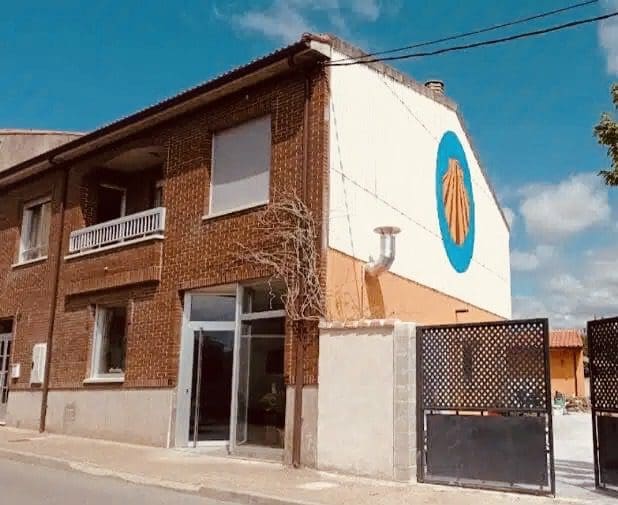
There’s also a donativo in La Virgen del Camino. I haven’t stayed there myself, but it comes well recommended, and it’s ideal for those who want a quieter night than León offers.
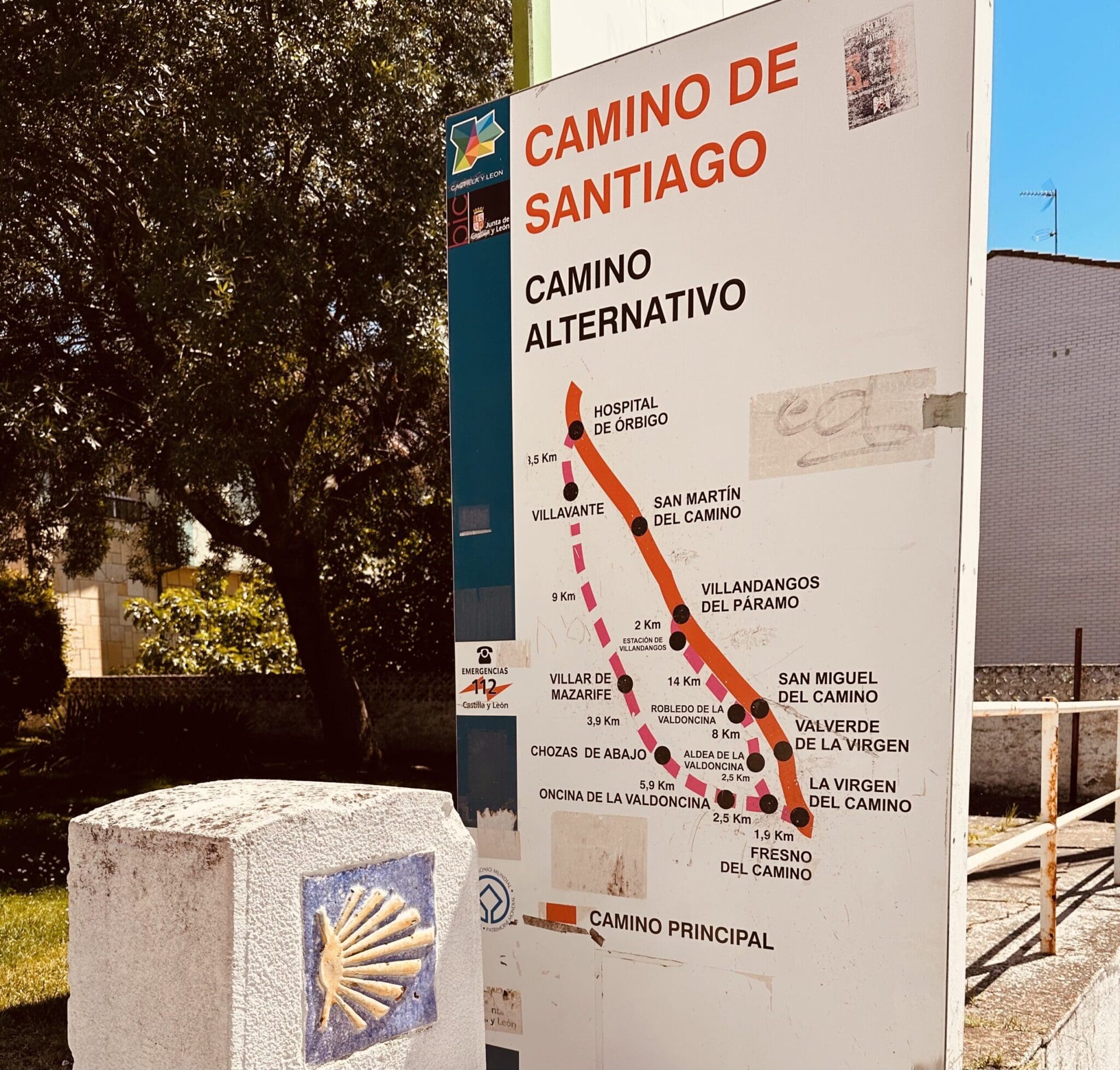
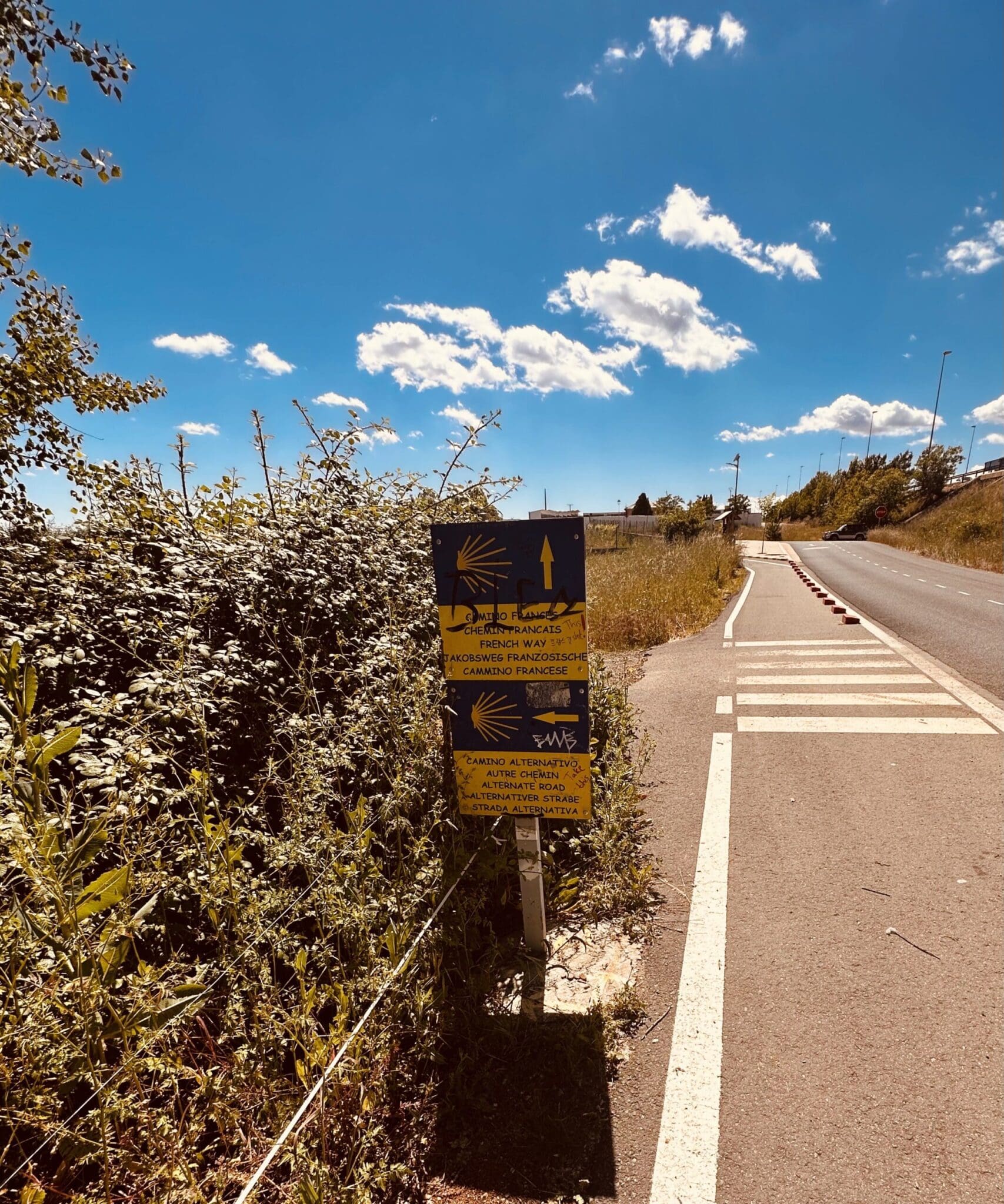
Just after La Virgen del Camino, the path splits. Both routes meet again at Hospital de Órbigo. The main route runs alongside a quite busy road, while the alternative cuts through the countryside. I won’t bother describing the official route; just take the alternative. It is far nicer. Keep an eye out for the variant route sign and turn left onto the track towards Oncina de la Valdoncina.
Oncina de la Valdoncino
298 km (185 miles) to Santiago
The road to Oncina de la Valdoncina is quiet, flat farmland, a few trees, and not much else. You might not see another pilgrim. The village itself is small: a church, a few houses, and a fountain.
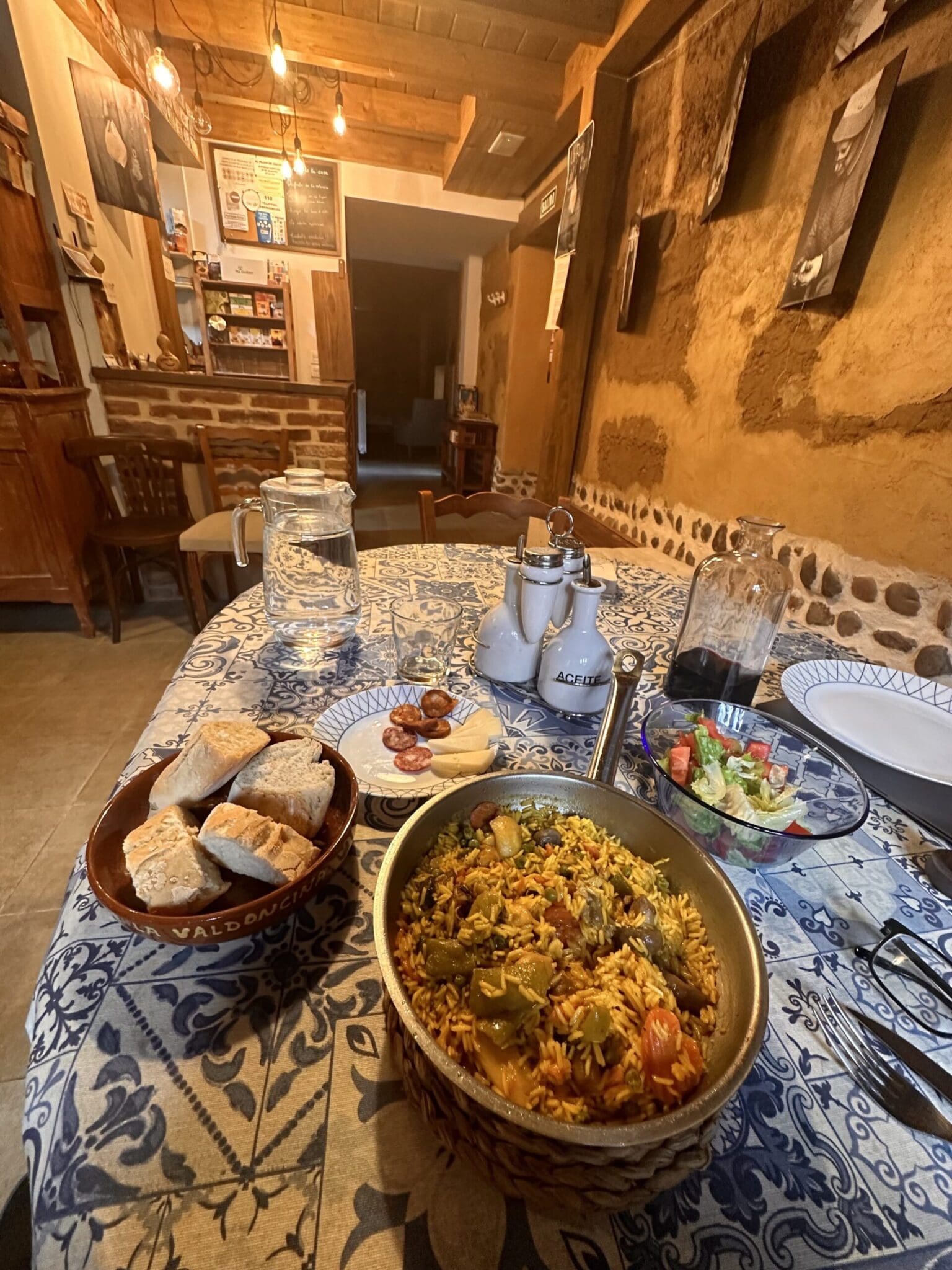

There’s a small, family-owned albergue in the village, Albergue El Pajar de Oncina. It’s a little oasis, with a quiet courtyard and hammocks to rest in. I stayed there a few years ago and was the only pilgrim. The family were so kind and invited me to join them for dinner. I’d recommend this albergue to anyone. I hope more pilgrims find it.


Villar de Mazarife
286 km (178 miles) to Santiago
From Oncina, it’s about 10 km of quiet country walking to Villar de Mazarife, another unremarkable little village, but I really like places like this. After so much history, there is something quietly refreshing about arriving somewhere that is just, well, normal. No must-see landmarks, no amazing things you will kick yourself for missing. Just a village being a village.
There are a few good albergues in the village. Just on the right as you enter is probably my favourite, Albergue San Antonio de Padua. They serve a good communal meal, and the paella is excellent.
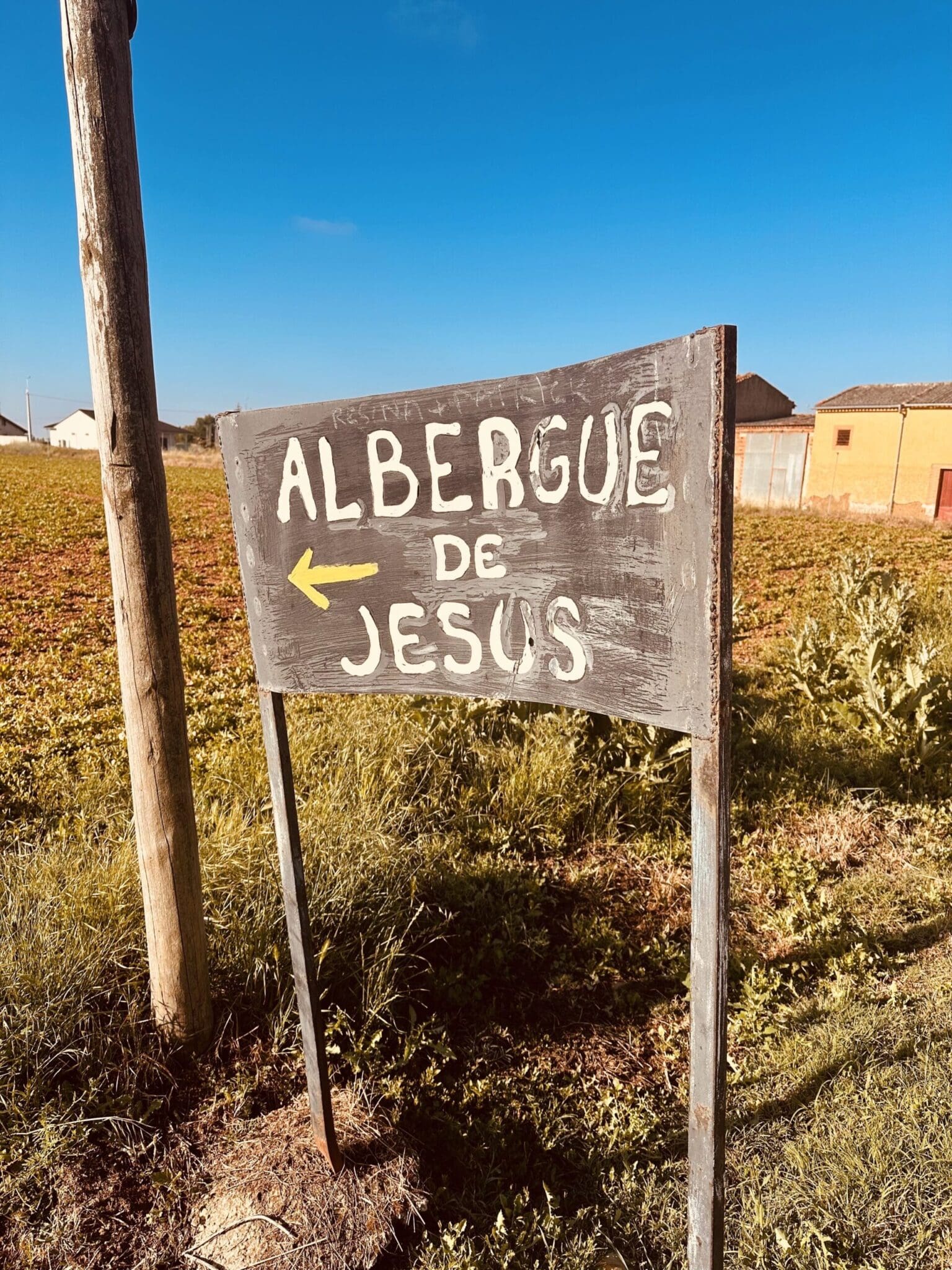
Next, on the left, is Albergue Jesús. It has a lovely garden out front with a small swimming pool during the summer months. The albergue sits directly above the village bar, giving you a front-row seat to local rural life. This is a proper spit-on-the-floor bar. Young farmers pull up outside on their tractors and pop in for a quick drink, engines running, while the older locals gather around tables to play dominoes, swap gossip, and discuss village affairs.
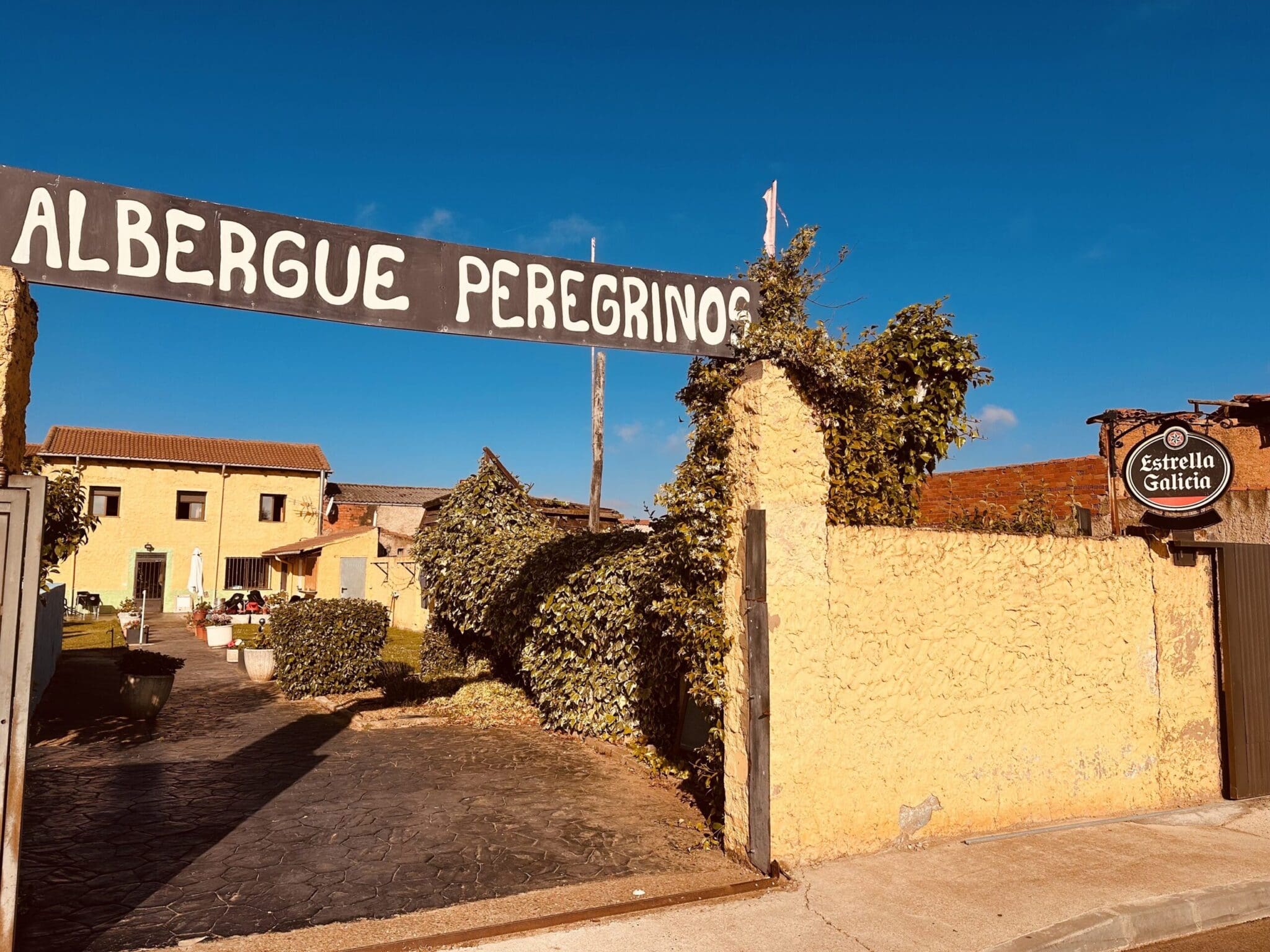
Finally, right next to the church is Albergue Tío Pepe, which also doubles as a village bar. It’s a little less rough around the edges than the previous and feels more like the village social hub, where locals mix to share a plate of food. They also have a handful of private rooms.
Villavante
278 km (173 miles) to Santiago
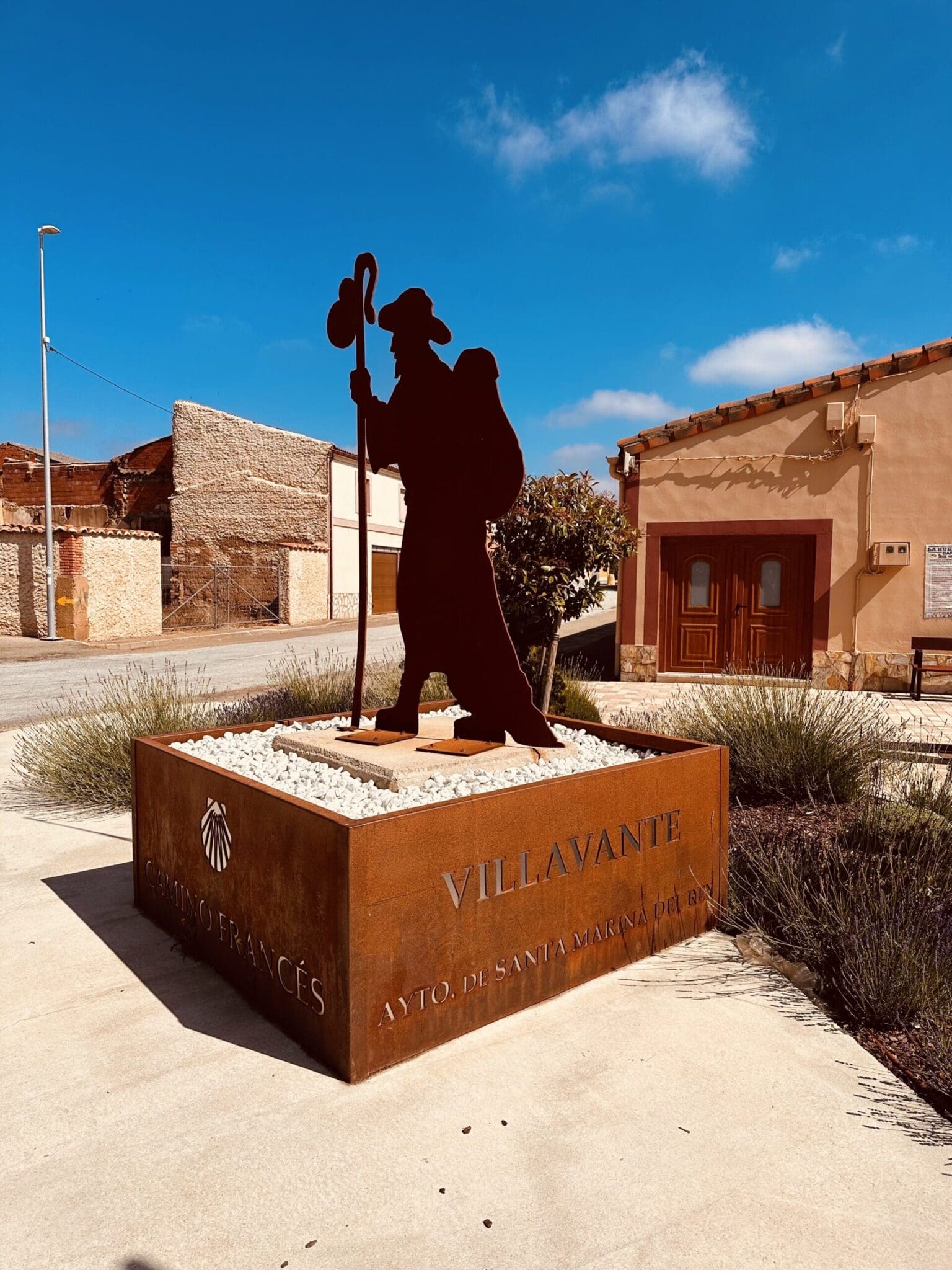
Continue another 5 km to Villavante. There is one albergue, Santa Lucía, on the left just as you enter the village. I have not stayed there yet, but I have stopped a few times for a decent breakfast.

Hospital de Órbigo
275 km (171 miles) to Santiago
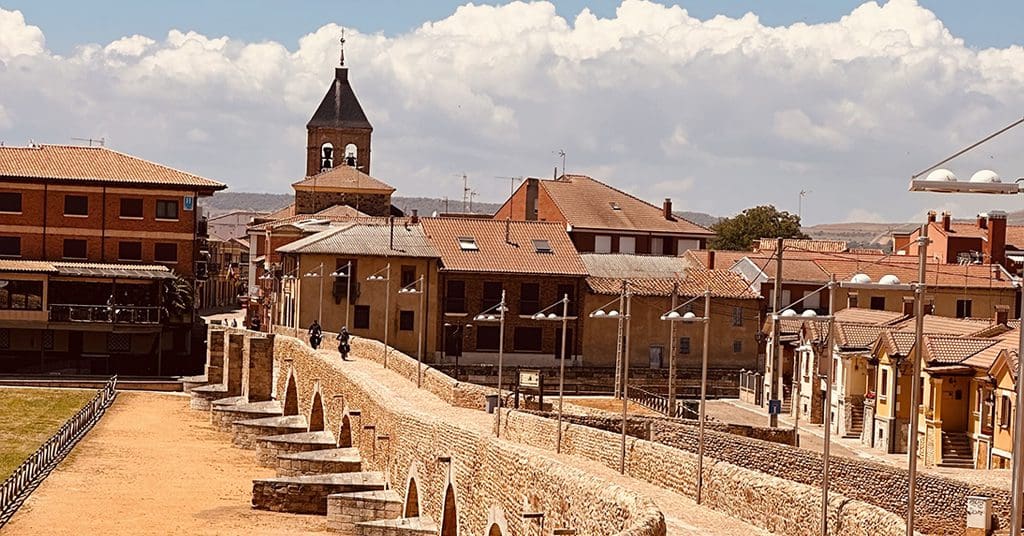
After another 4 km, you arrive in Hospital de Órbigo by crossing its magnificent 200-metre-long medieval stone bridge. The town is famous for the knight Suero de Quiñones, whose story was retold in Cervantes ‘ Don Quixote. In 1434, Suero issued a challenge at this very bridge to prove his love for a lady who did not reciprocate his feelings. He and ten companions vowed to fight every knight who tried to cross, in an attempt to impress the young lady. For a month, they battled, breaking lances and bones. 300 shattered lances later, Suero declared victory. Wounded and exhausted, he later walked to Santiago, though I don’t think he ever got the girl.
Every year, the town brings this story back to life with a spectacular jousting festival held on the first weekend in June. It’s like a giant medieval cosplay. The whole town gets involved. There are knights, jesters, squires, friars, ladies-in-waiting, markets, music, and plenty of food and drink.

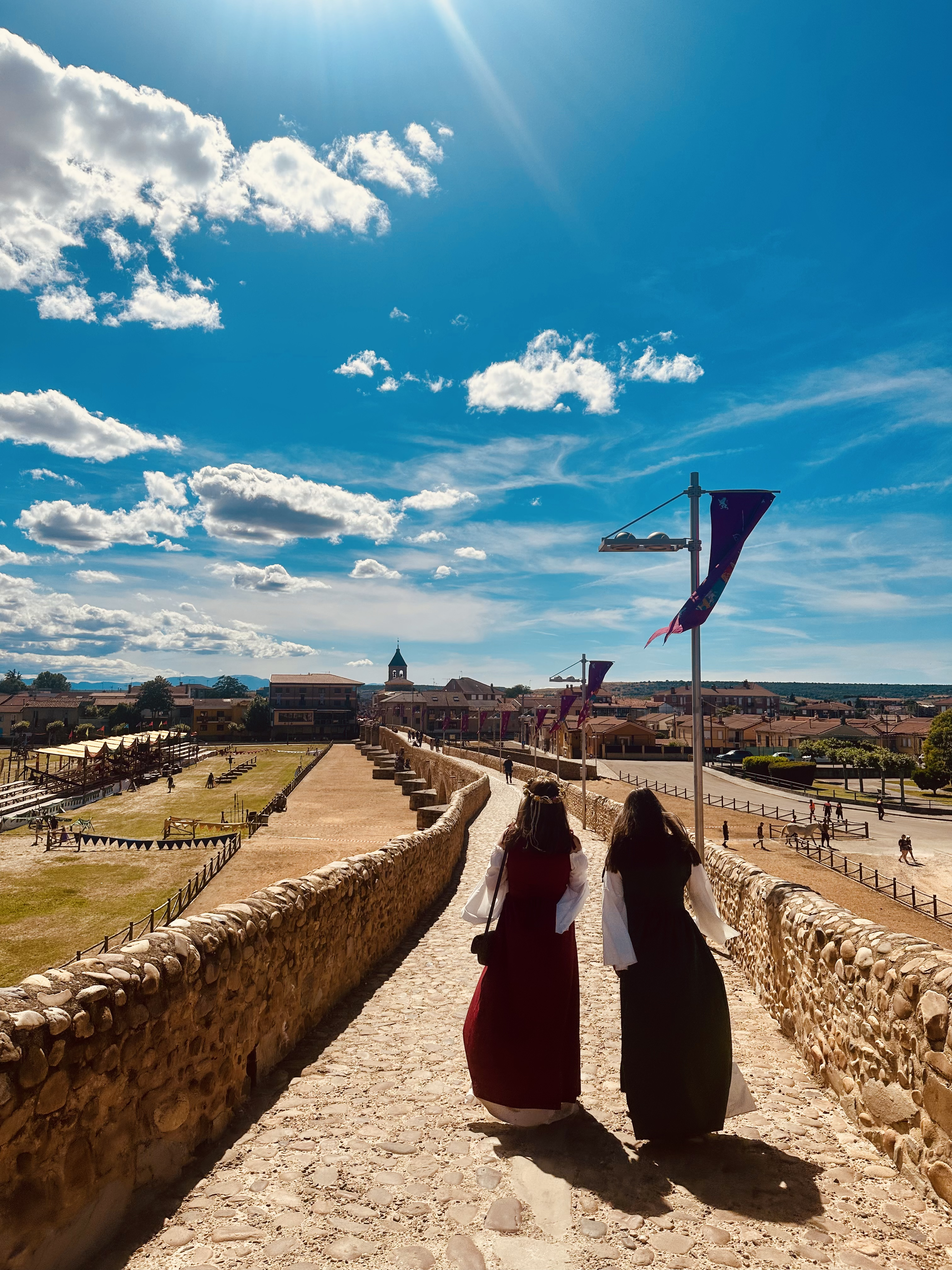
If you are walking the Camino in June, try to coordinate your dates to coincide with the festival. The festival is impressive during the day, but the real buzz starts in the evening and carries on late, so be prepared for a long knight. It gets extremely busy, and at times, you can barely move through the crowds on the main street, so keep an eye out for pickpockets.

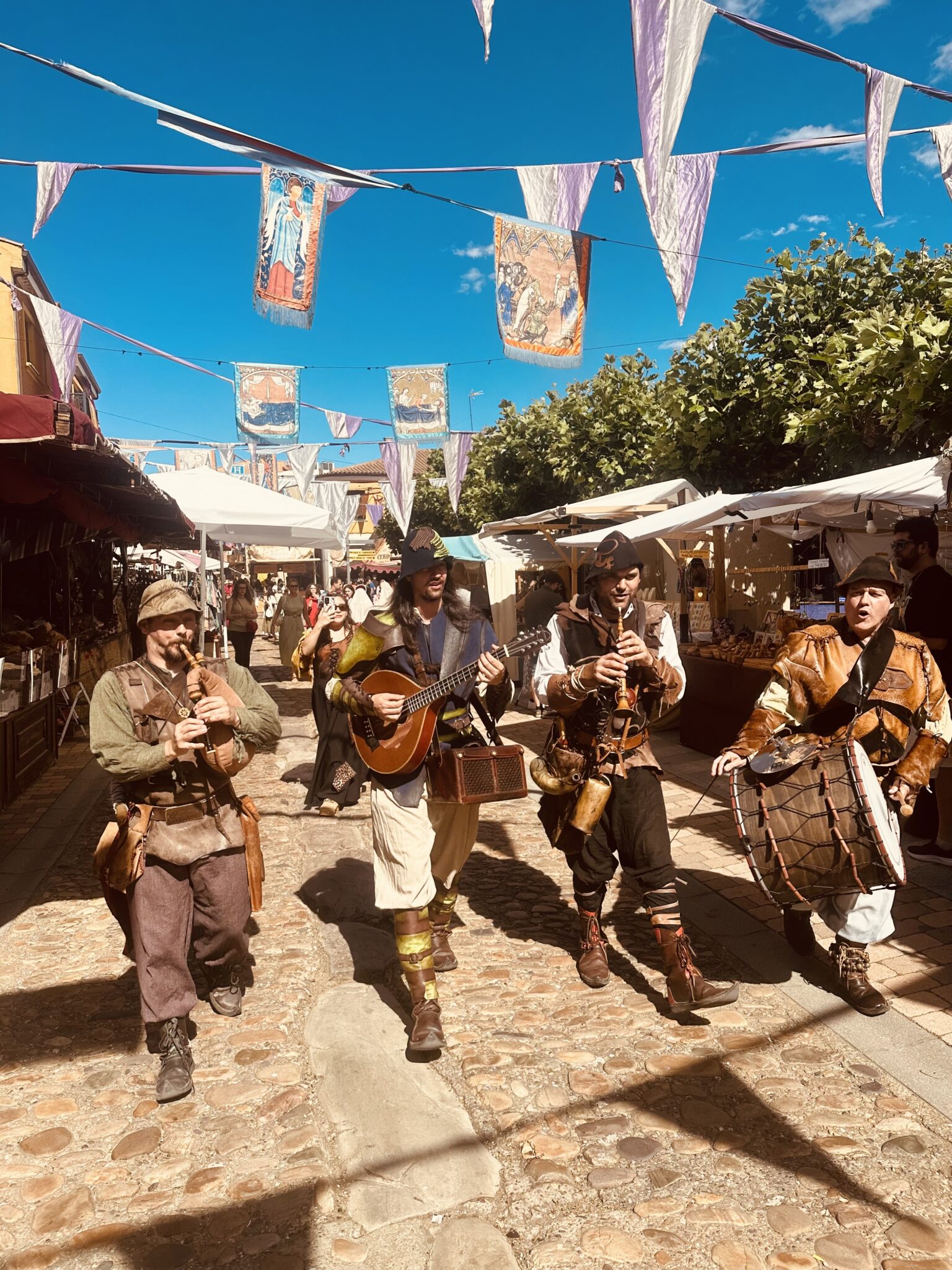
Hospital de Órbigo has plenty of albergues; two stand out for me. The first is Albergue Karl Leisner, a volunteer-run, mostly German-speaking parochial albergue. It is a peaceful and welcoming place with a genuinely spiritual atmosphere. Evenings here often include prayers, singing, and blessings for pilgrims, and there is something quietly special about it.
Then there is one of my absolute favourite albergues on the entire Camino, Albergue Verde, located on the edge of town; it’s a peaceful little retreat with a relaxed, hippy-chic atmosphere. The albergue was founded by Mincho, a local artist and musician. After his passing in 2022, the non-profit association he established took over, ensuring his unique spirit and vision live on.


The albergue has a wonderful garden to explore and a traditional yurt where yoga and meditation sessions are held.
The highlight of your stay will be the communal dinner. Imagine dining under the trees at a long table, enjoying a delicious vegan meal. Freshly baked bread, veggie paella, and just-out-of-the-oven brownies are some of the delights, with much of the produce sourced from their own organic garden. The staff even sang a blessing before the meal.
The Albergue offers 26 beds in shared accommodation at around €16 per night. Just keep in mind that Albergue Verde is strictly vegetarian, so don’t sneak in any jamón in your backpack.


Villares de Órbigo
273 km (170 miles) to Santiago
2 km after Hospital de Órbigo, you reach Villares de Órbigo, where there are a couple of albergues. I really liked Albergue Villares de Órbigo. It’s about as pretty an albergue as you’ll find, with a lovely courtyard, a garden, and a few hammocks out the back. They also serve a good communal meal.
When I passed through in May 2026, it was up for sale for €300,000, if you’ve ever fancied buying your own albergue. Hopefully, the new owners will run it with the same care and attention as the current ones.

Santibáñez de Valdeiglesias
271 km (168 miles) to Santiago
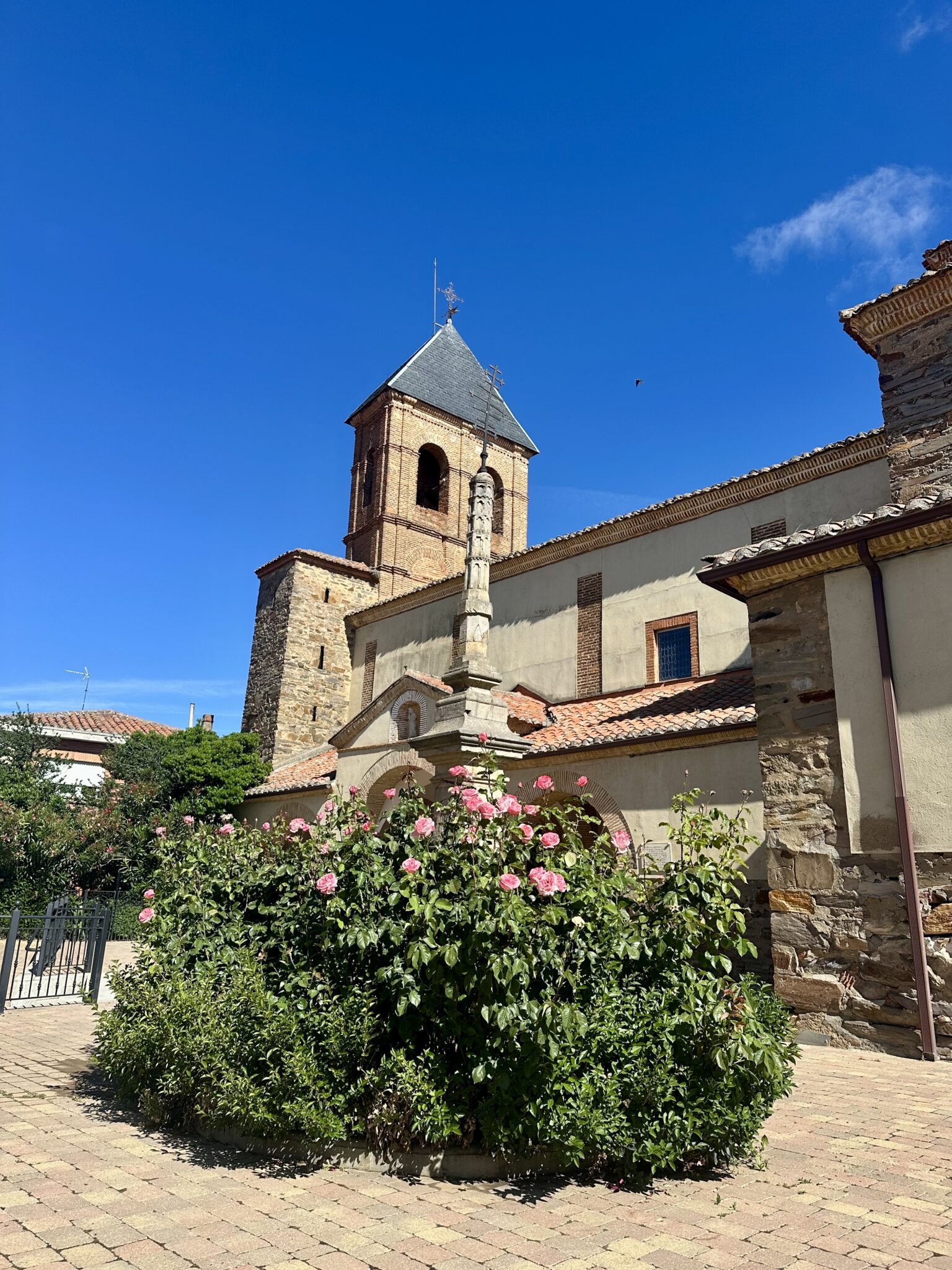
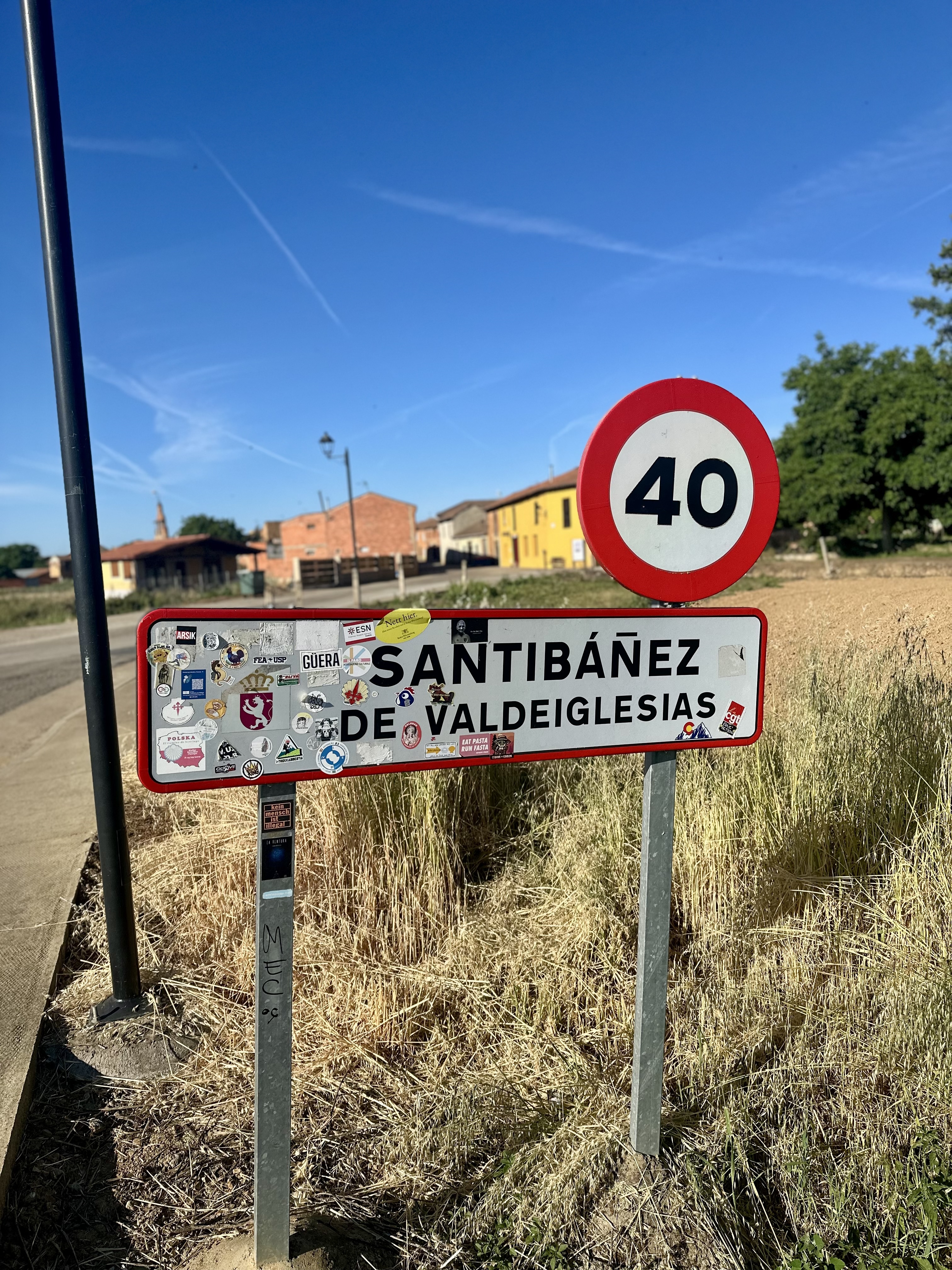
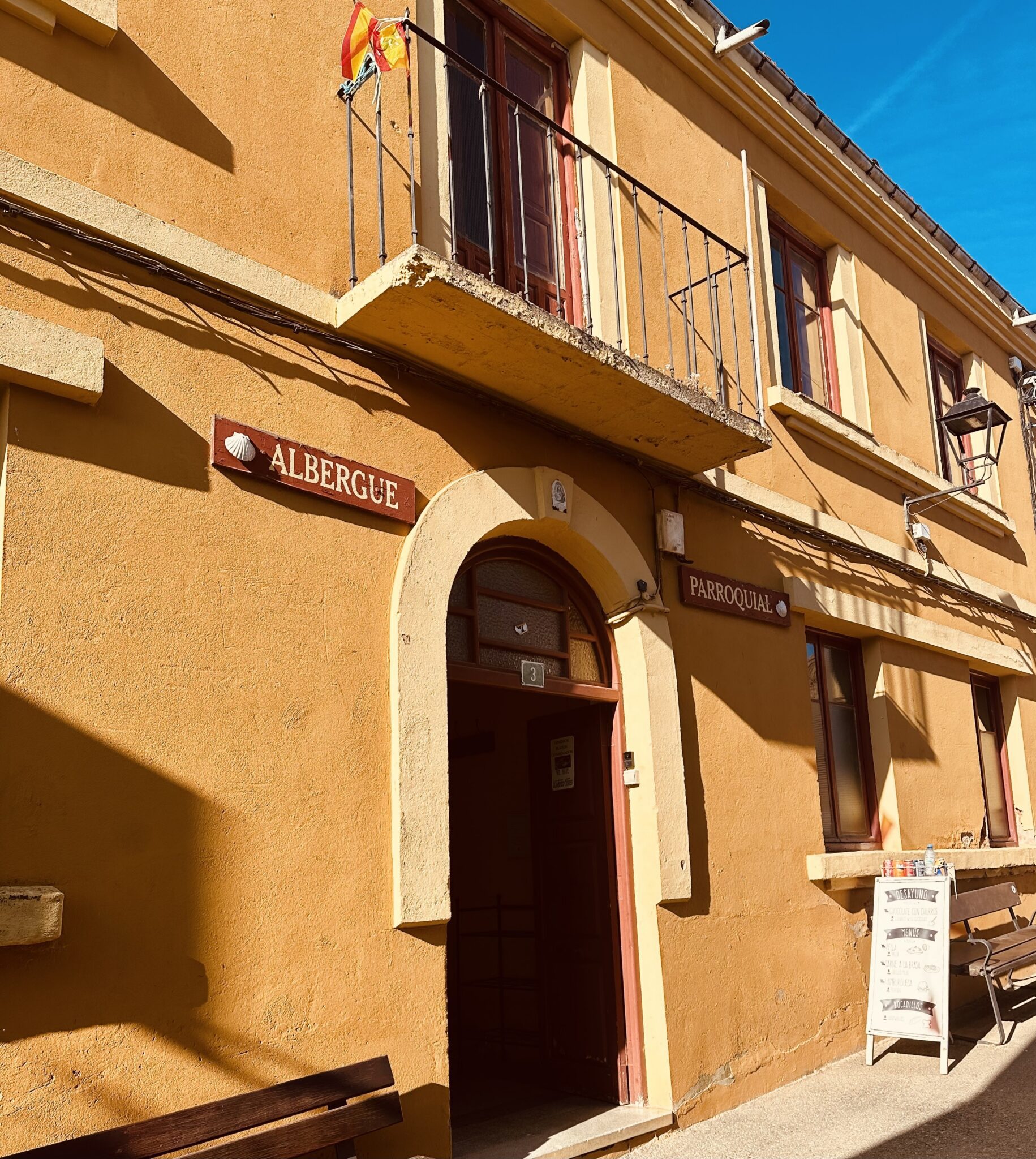
Continue for another 2 km to Santibáñez de Valdeiglesias, a quiet village that’s often overlooked. You’ll find the wonderful Albergue Camino Francés Pura Vida here. Maria and her sister are fantastic hosts who make you feel like family, and the food is great. There’s also an old-school parroquial albergue with outside toilets and showers.
San Justo de la Vega
257 km (157 miles) to Santiago
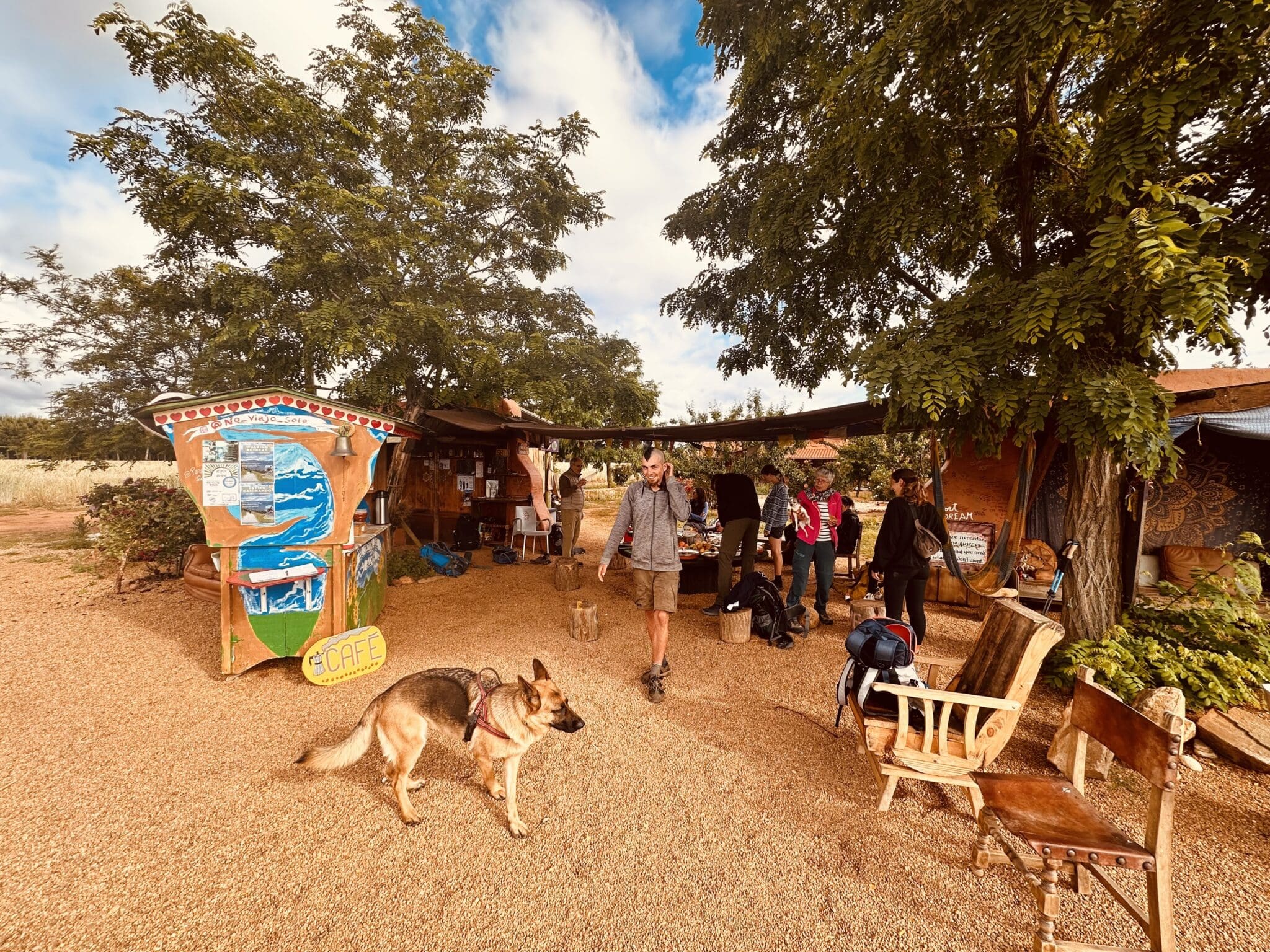
Carry on through the countryside for the next 10 km. There are no services, but along the way, you’ll come across a small donativo stop offering food and drinks. It feels like a veritable oasis, a desert caravanserai straight from the world of The Alchemist, where camel caravans might once have stopped to rest, trade, and share stories. This peaceful haven is known as La Casa de los Dioses, the House of the Gods.

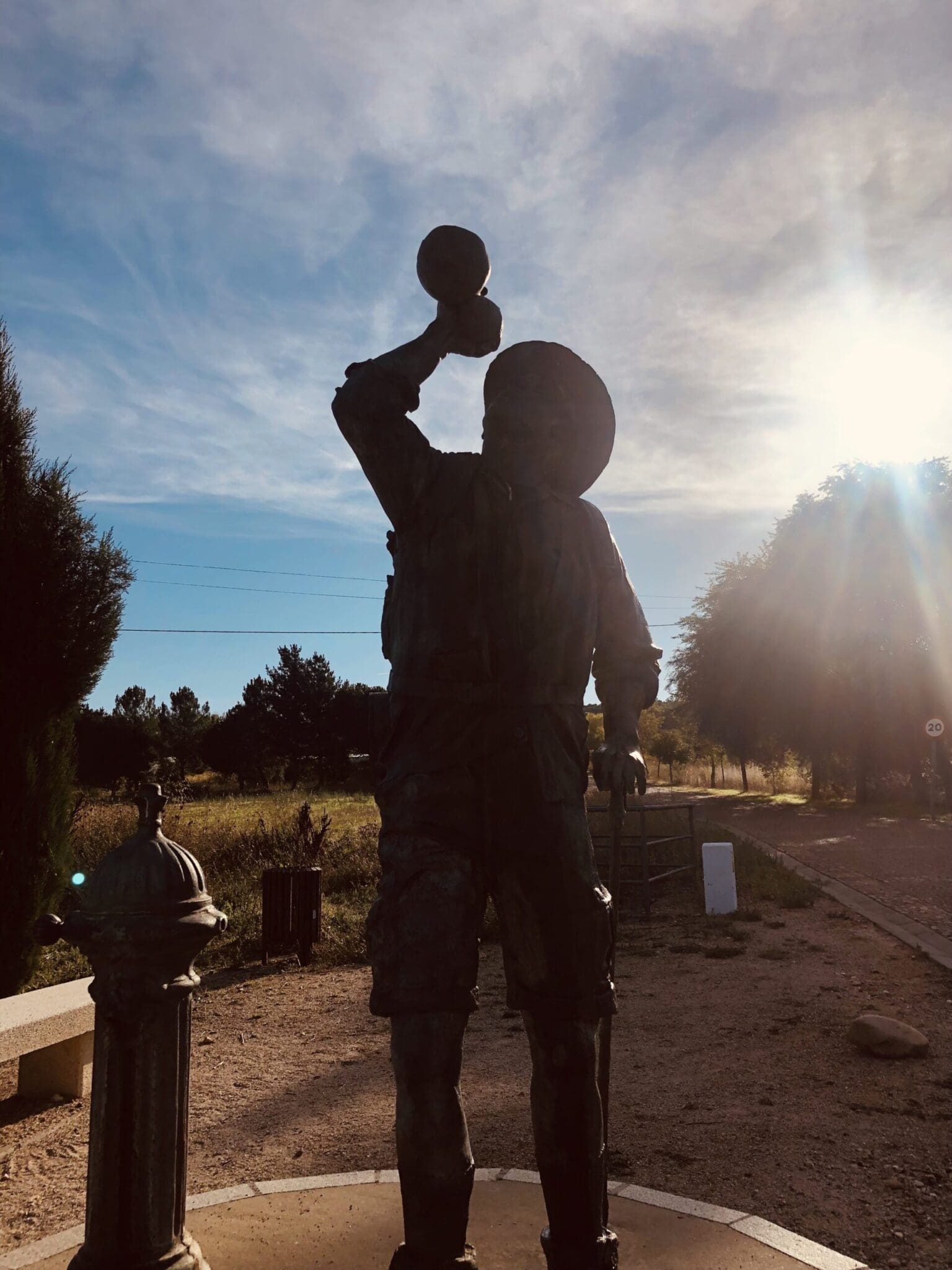
Just before Astorga, you’ll reach the Cruceiro de Santo Toribio in San Justo de la Vega, a stone cross overlooking the valley. From here, you can see Astorga Cathedral rising in the distance and a string of villages stretching along the Camino as it heads towards the mountains.
From this point, it’s downhill to Astorga. It’s one of the finest approaches to any city on the Camino, with the cathedral slowly growing larger with every step.

Astorga
257 km (160 miles) to Santiago
As you enter the city, you’ll cross the most ridiculously convoluted pedestrian bridges over the railway tracks before the route finally climbs into the old town. It’s not particularly steep, but after a long day, you’ll definitely feel it in your legs. As you approach, the old Roman walls of Astorga come into view.
Astorga is a fine city, known for its impressive cathedral, with beautiful Gothic and Baroque touches, and the Bishop’s Palace, a storybook-like building designed by Antoni Gaudí. You can visit both the cathedral and the palace with a combined ticket for around €5.


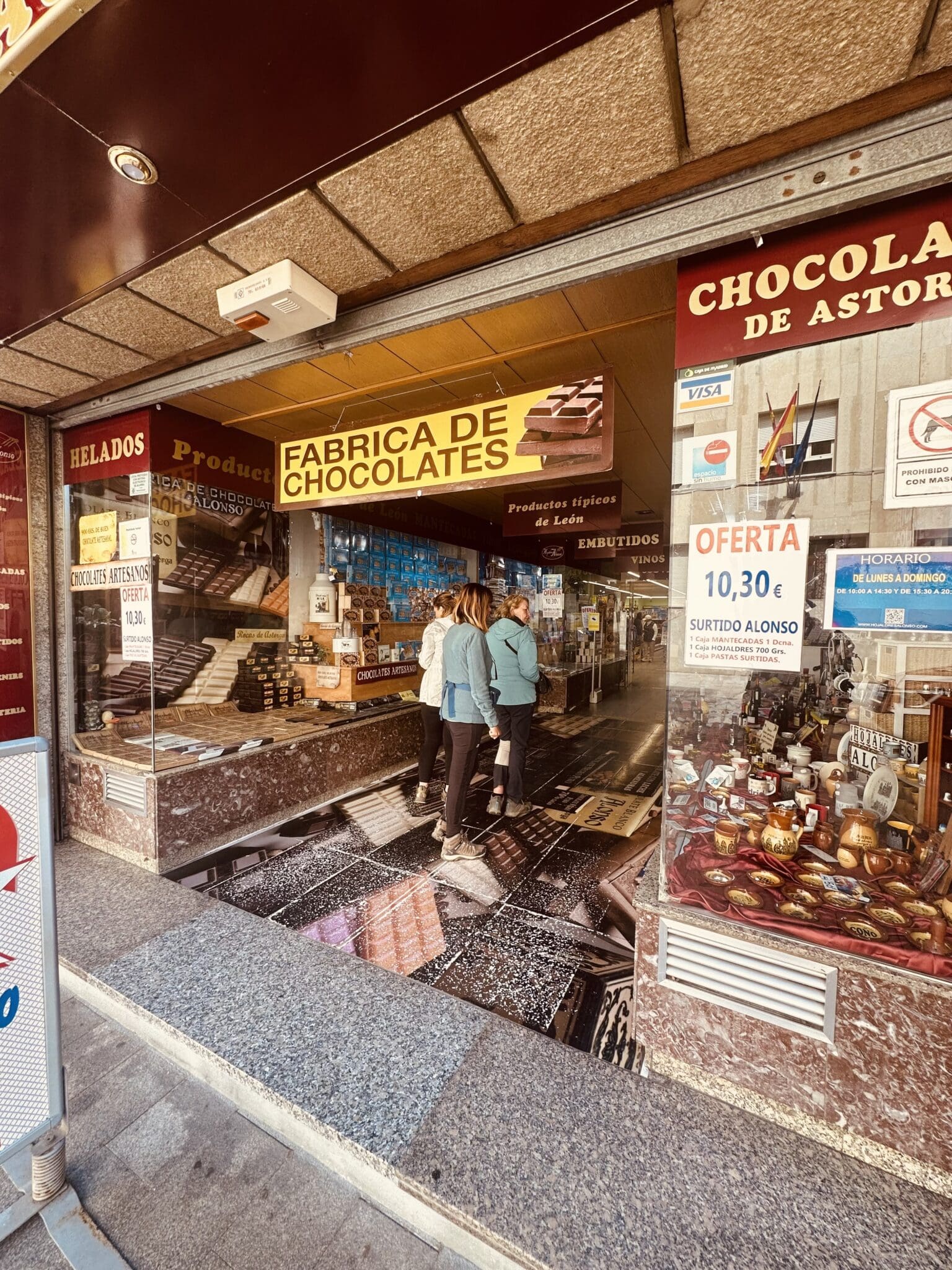
The city is renowned for its chocolate, too. There’s a small Chocolate Museum that tells the story of its sweet tradition. It’s a simple, old-fashioned place, but full of charm and worth a quick visit if you have time.
It is also home to the Maragato people. The Maragatos are a small ethnic group native to this area, and no one is completely sure where they originally came from. Some say North Africa; others believe they were simply mountain people who stayed isolated here for centuries. Their food is legendary, especially Cocido Maragato, which is famously eaten backwards. First comes an enormous plate of meats like beef, pork, chorizo, and sometimes chicken. Then come the chickpeas and vegetables, usually cabbage and potatoes. Only at the very end do you get the soup, which always surprises first-timers. Most of the traditional restaurants around the Plaza Mayor serve Cocido Maragato.

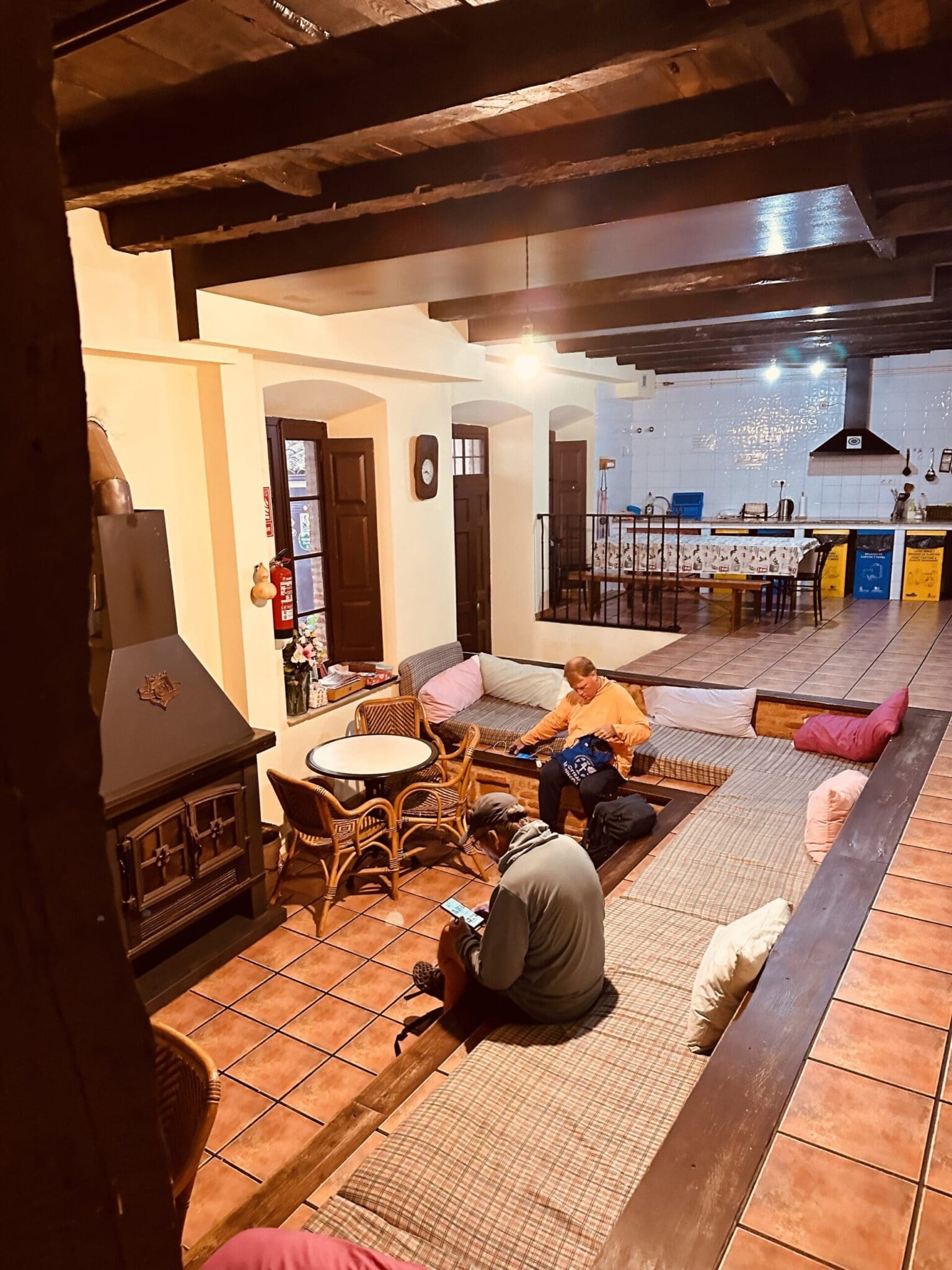
There are plenty of places to stay. Some of my favourites include Albergue San Javier, just across from the cathedral. It’s a busy, old-school albergue with a really friendly atmosphere. I really liked staying here. It has that lively Camino spirit, where it’s easy to meet and chat with other pilgrims.
Albergue MyWay, on the way into Astorga, is another great option. They offer a nice communal meal in the evenings and have a pleasant garden where you can relax and unwind after a long day’s walk.

Albergue Só Por Hoje is exceptional. Patricia, the owner, is a wonderful hostess who welcomes pilgrims into her home with genuine love and care. Her home is beautiful, and the Brazilian meal she prepared for us was absolutely fantastic.