
Section 9
Ponferrada to Sarria

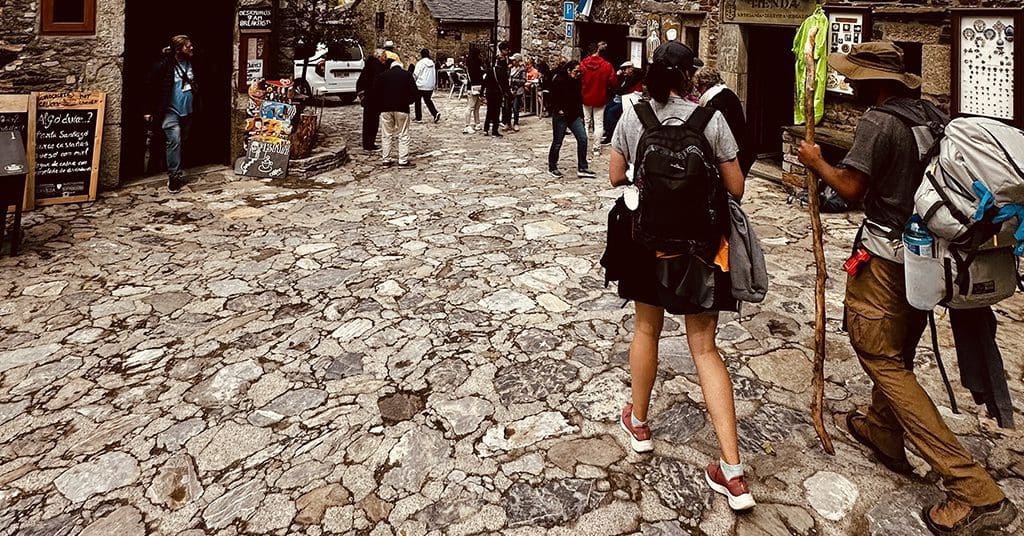
From Ponferrada to Sarria, it is about 100 km, depending on the route you choose. You’ll walk through El Bierzo’s wine country before arriving in picturesque Villafranca del Bierzo, where you might take part in an ancient pagan ceremony, then take on the climb to O Cebreiro, with its magical little Celtic village perched on the mountaintop. After that, the path winds its way back down through the hills and valleys towards Sarria, with the option of making a detour to the monastery of Samos along the way.

Ponferrada
207 km (129 miles) to Santiago
Leaving Ponferrada is a bit of a drag, as it is with most cities on the Camino. You leave past the castle, slip briefly through the old town, then continue out through the suburbs for about an hour.
Camponaraya
197 km (122 miles) to Santiago
After 10 km of mostly street walking you will reach Camponaraya, which has a couple of albergues.
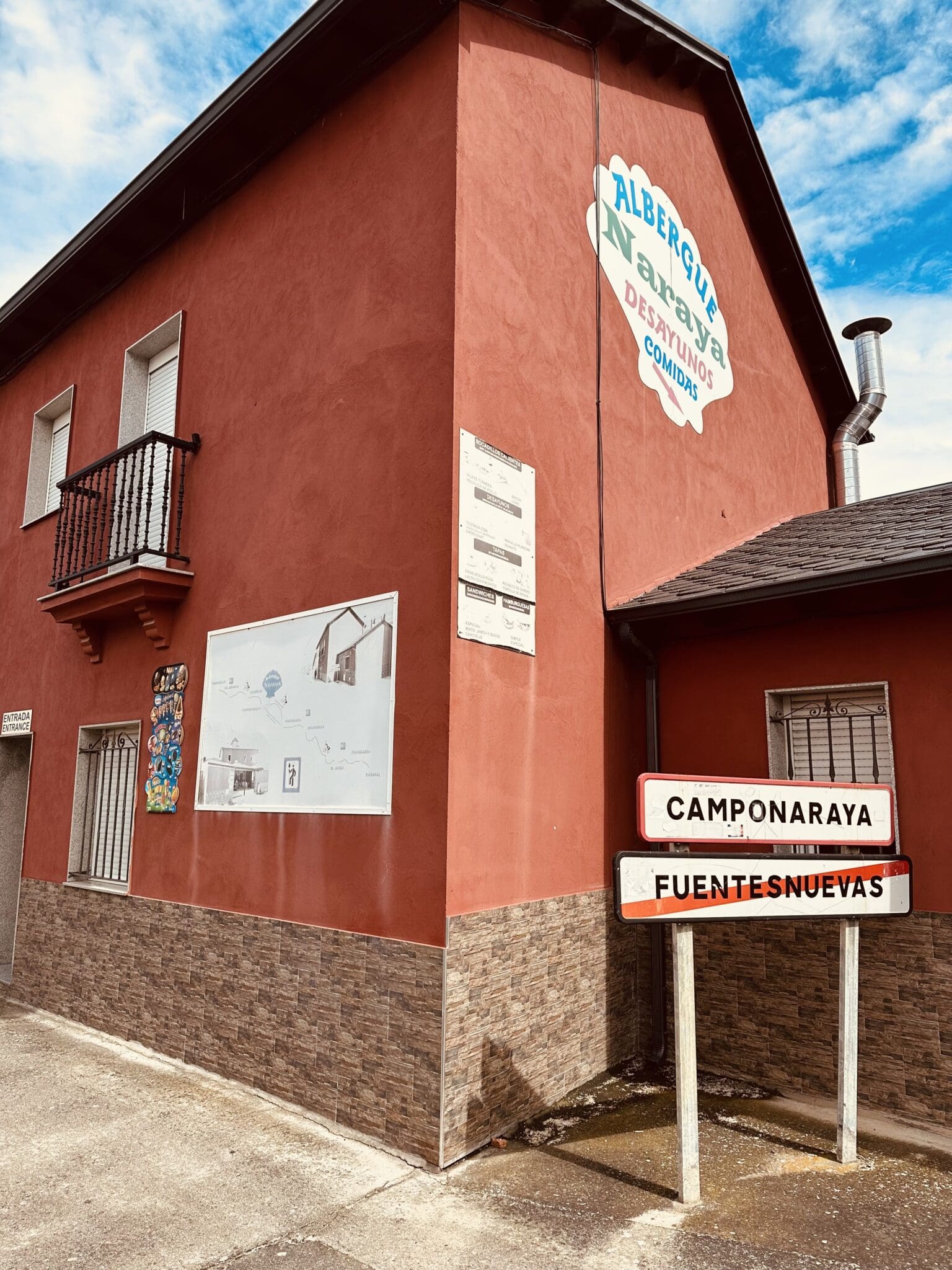

Just a few hundred metres after Camponaraya, you’ll suddenly find yourself surrounded by the vineyards of El Bierzo. Stretching as far as the eye can see, they really are spectacular.
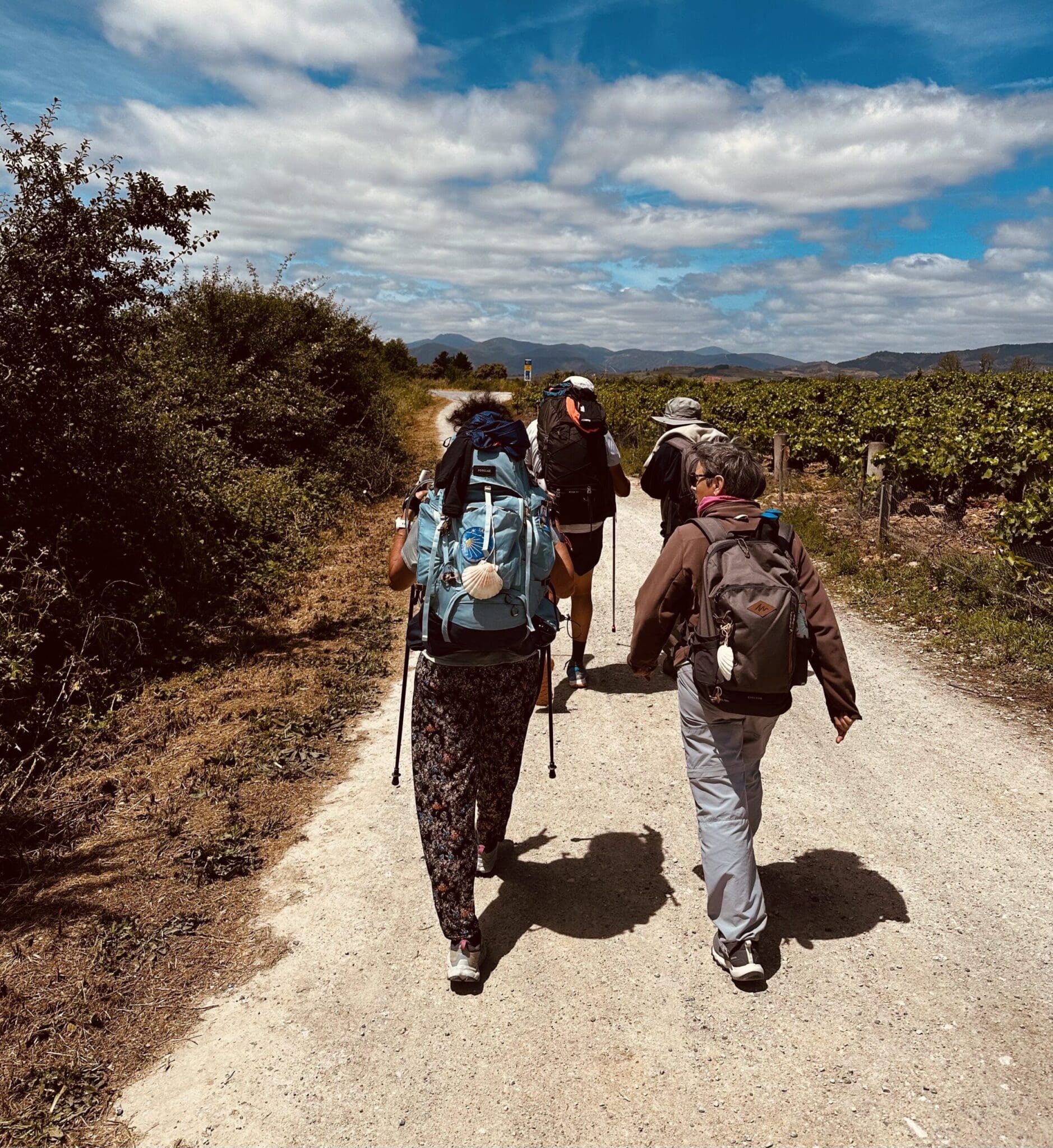
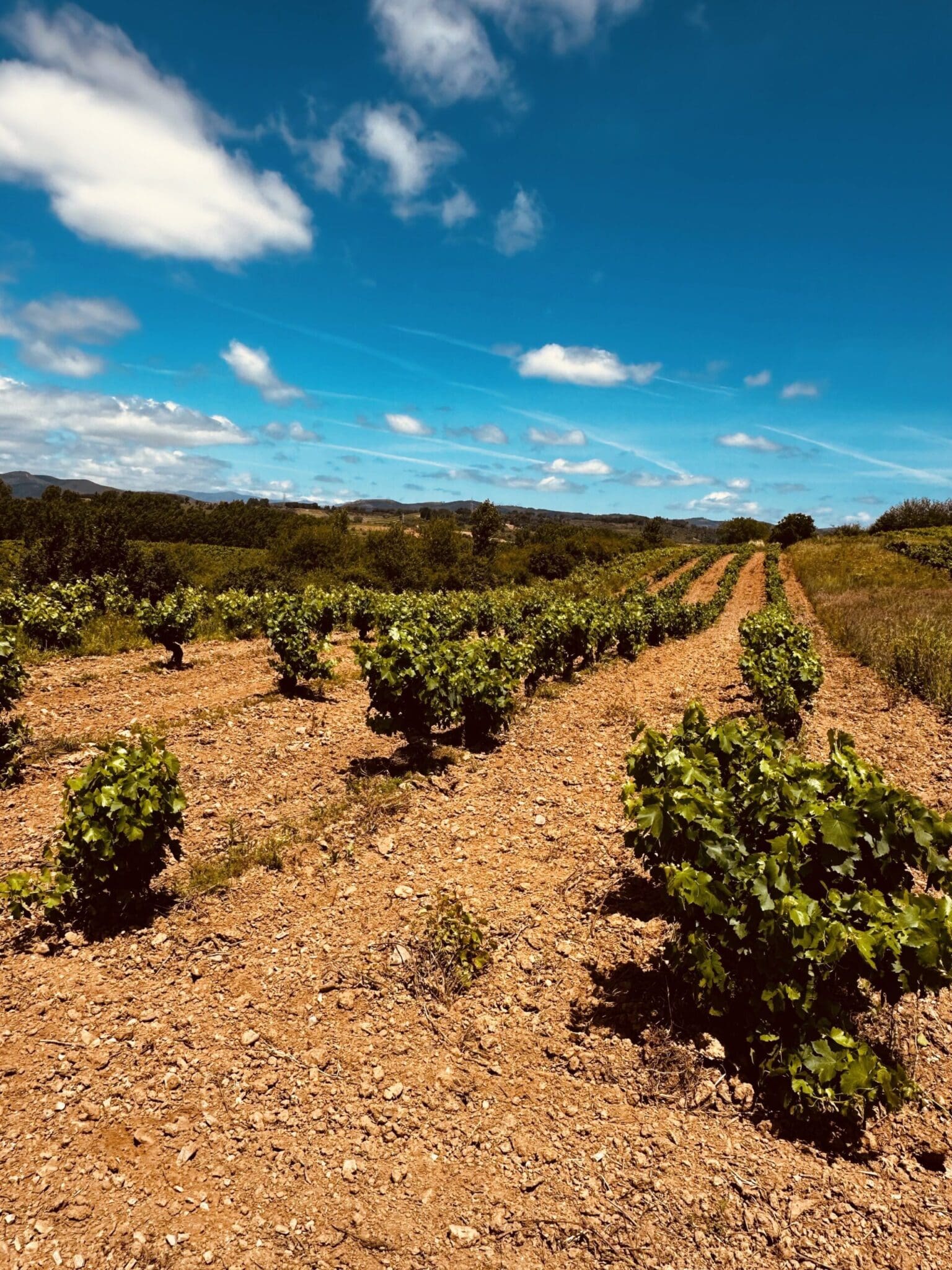
The Bierzo wine region has been producing wine since Roman times. It’s a small area, with less than 3,000 hectares of vineyards, but it has a lot of character. The area was officially recognised as a Denominación de Origen (DO) in 1989. The local Mencía grape is the star here, known for smooth, fruity reds full of flavour.
Cacabelos
191 km (119 miles) to Santiago
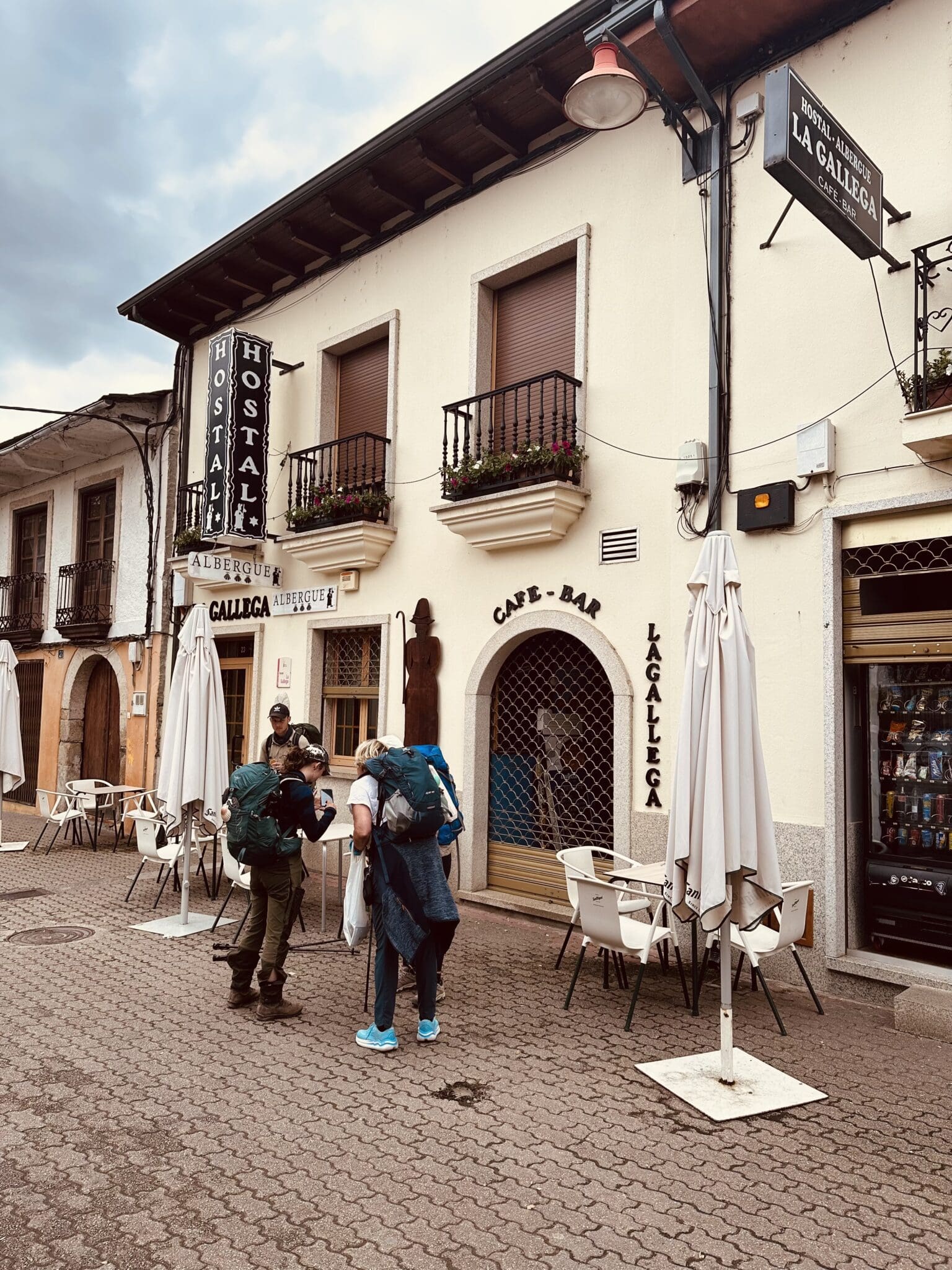
After about 5 km of sublime walking through vineyards stretching as far as the eye can see, you arrive in the elegant town of Cacabelos, the wine capital of the Bierzo region. The town’s main street is lined with bars and bodegas where you can sample the local Mencía wines. Good spots include Refugio de Saúl, Pulpería Compostela, and La Peregrina Tapas Bar, all serving excellent local food alongside the region’s wines.
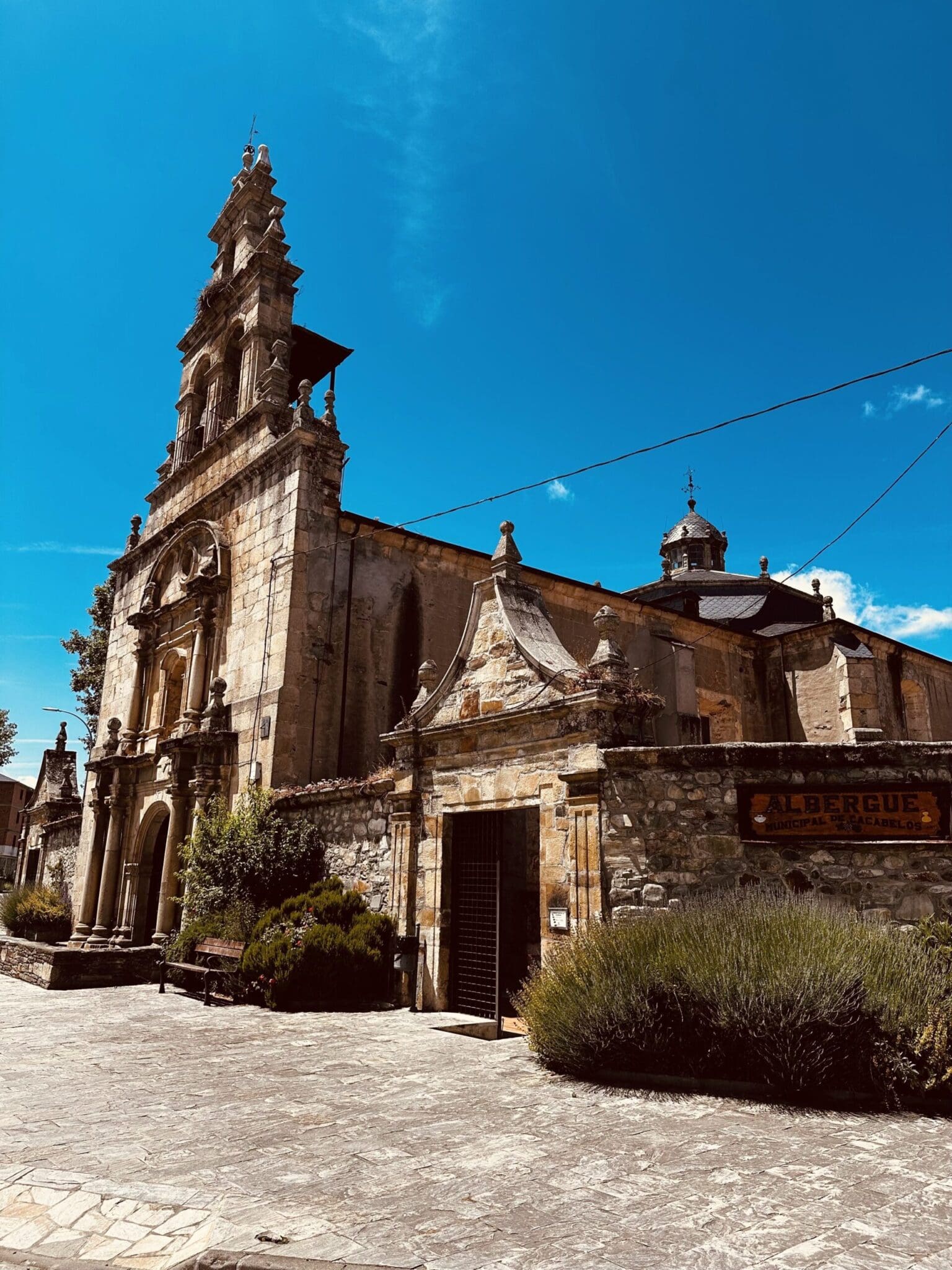

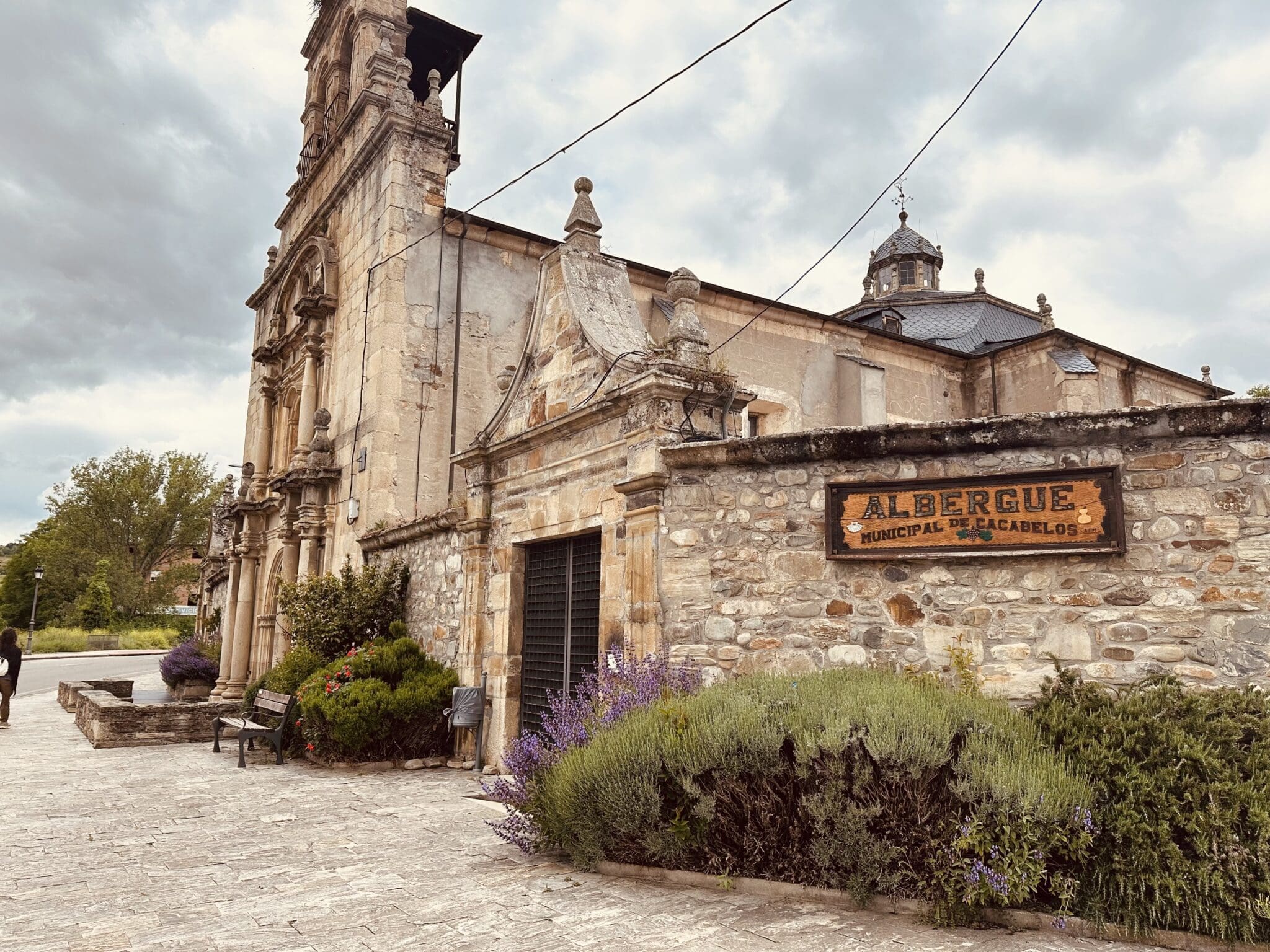
At the far end of town, there’s a unique municipal albergue shaped like a horseshoe around a little church. The rooms are semi-private, with just two beds in each, which is pretty rare for a municipal. It was closed the last time I passed through (in April), so I reckon it might only open during the summer months.
Valtuille de Arriba
187 km (116 miles) to Santiago
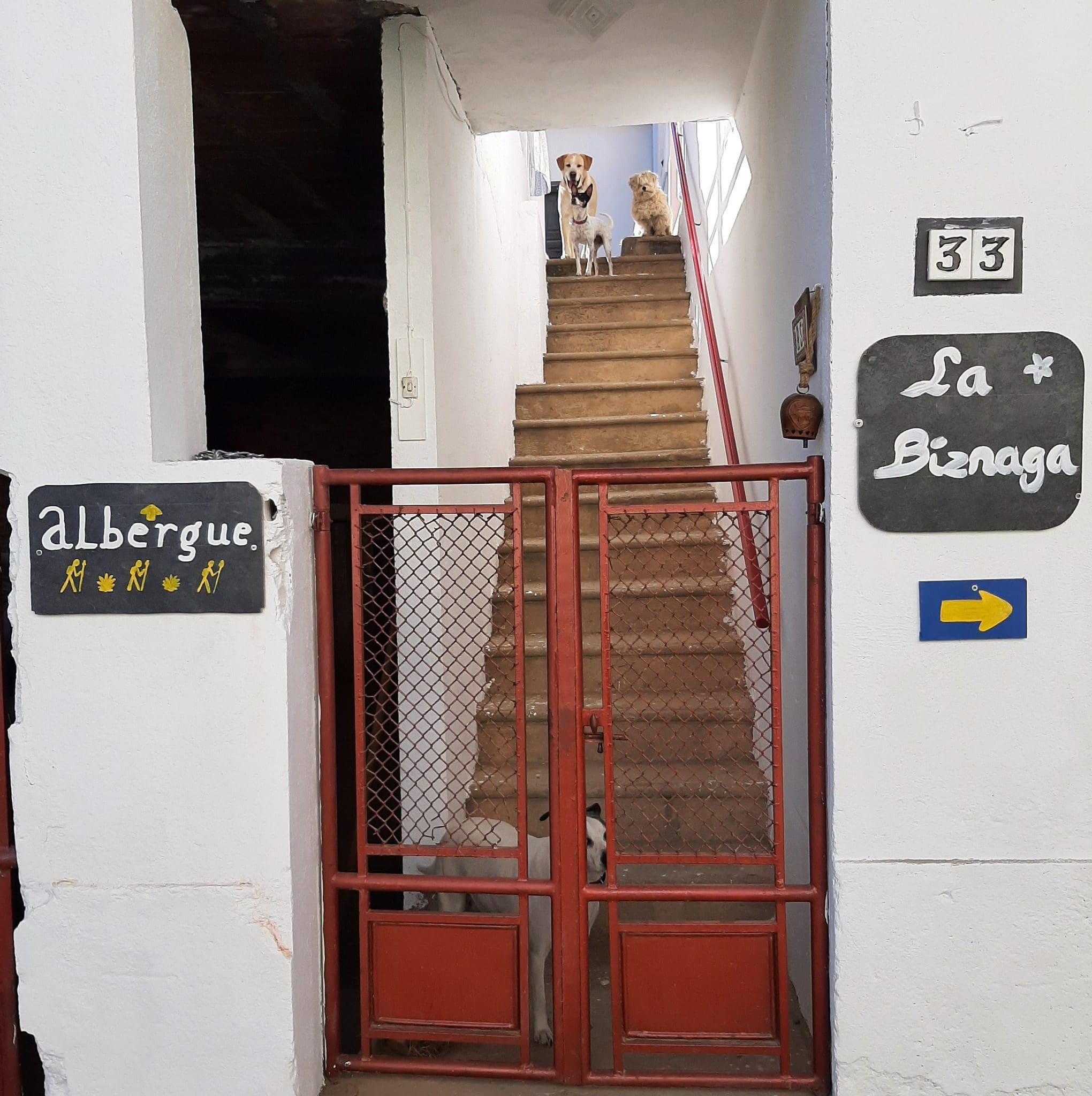
About 2 km after Cacabelos, the Camino splits again. Definitely take the right-hand path through Valtuille, which is safer and more scenic, winding peacefully through vineyards. In Valtuille de Arriba, you’ll find a little gem of an albergue called La Biznaga. It’s a small family home with just seven beds, run by Susan and her wife, who are welcoming hosts, and if you’re lucky enough to stay here, they will treat you like part of the family.

Villafranca del Bierzo
182 km (113 miles) to Santiago
Leaving Valtuille de Arriba, the Camino stays quiet and rural, with peaceful paths through more vineyards and orchards. You’ll walk on dirt tracks and quiet lanes, surrounded by views of the Bierzo valley. The last stretch brings you gently downhill toward Villafranca del Bierzo. As you approach, the town’s rooftops and church towers come into view, nestled beside the river. Villafranca is one of the prettiest towns on the Camino with cobbled streets, stone buildings, shady squares, old churches, and a lovely, relaxed feel.
As you enter Villafranca, you’ll pass the municipal albergue on your right, and just beyond it on the left stands the Iglesia de Santiago. The church has a special claim to fame: it’s one of only two churches on the Camino with a Holy Door, the other being the cathedral in Santiago.
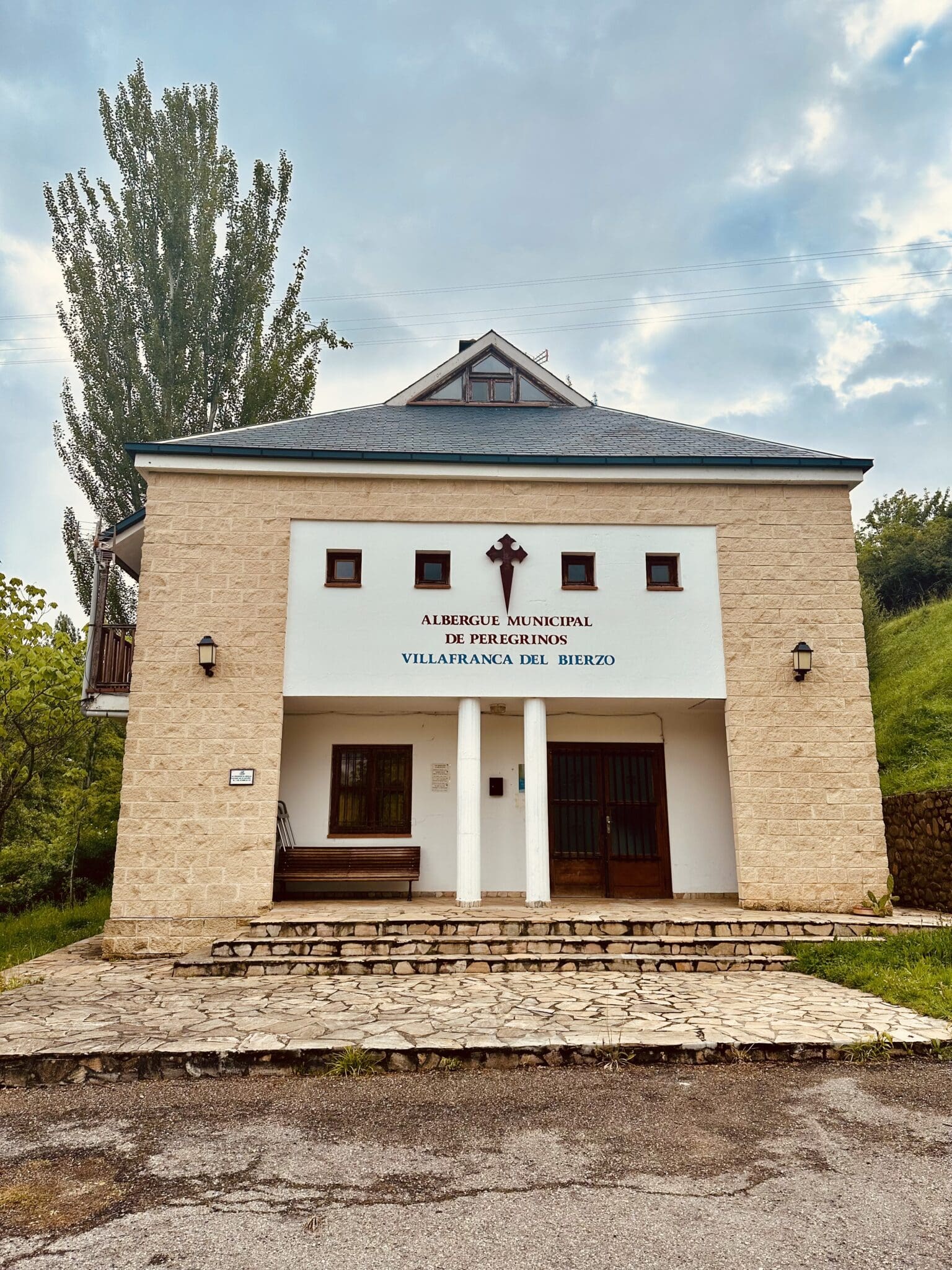

So, what’s a Holy Door? Simply put, it’s a special door that, according to Catholic tradition, brings the forgiveness of sins to those who pass through it. These doors are normally sealed shut and are opened only during Holy Years, when the Feast of St. James (25 July) falls on a Sunday. The church added the Holy Door for pilgrims who were very ill and unlikely to make it all the way to Santiago.
The next Holy Years are 2027 and 2032. You would think it would be every seven years, nice and tidy, but those messy leap years confuse things, and instead, the holy year calendar follows the slightly odd rhythm of every 6, 5, 6, and 11 years. I do not fully get the math either, but I trust those who do.
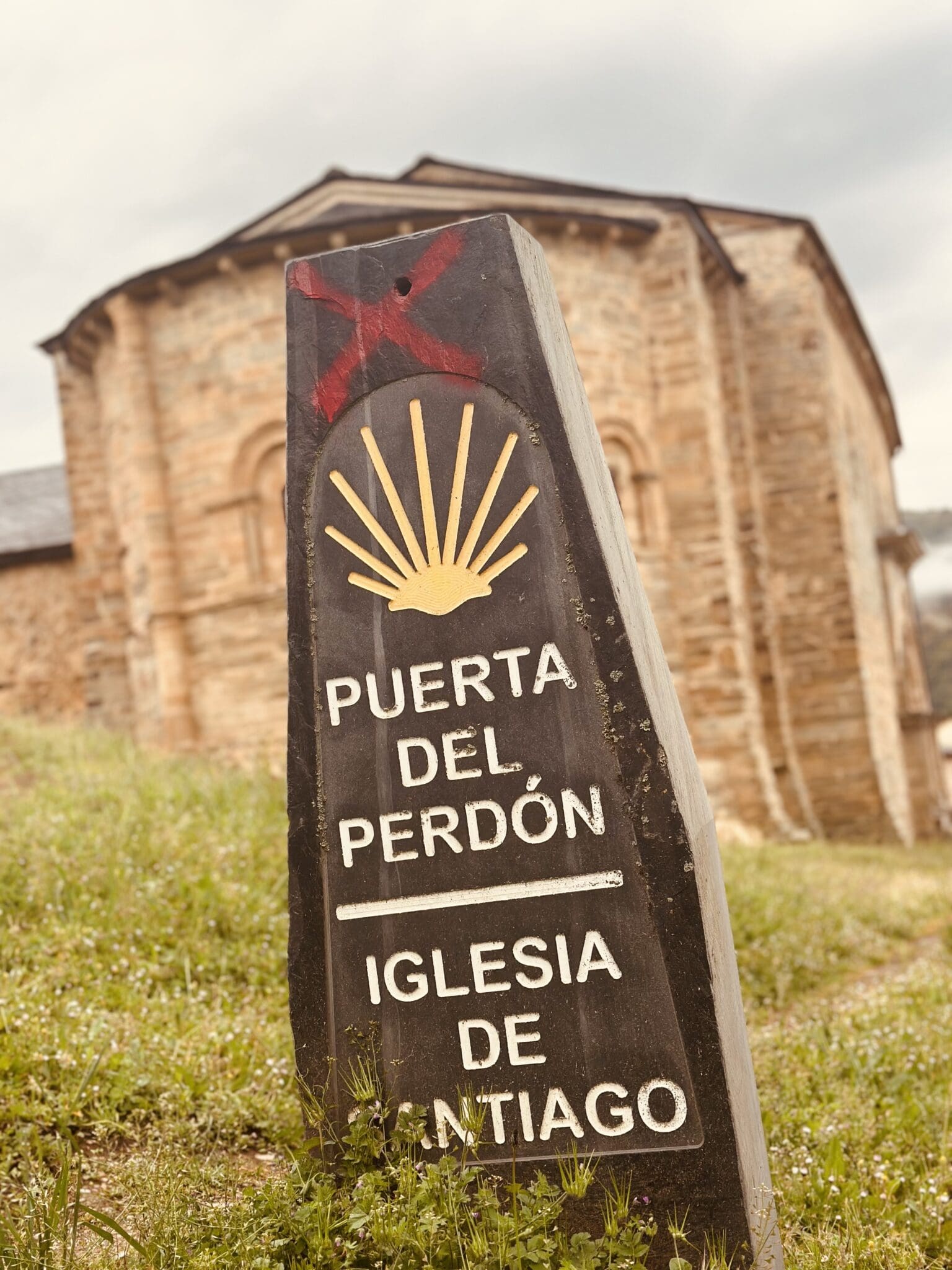

Villafranca del Bierzo has no shortage of places to stay. Albergue Viña Femita is hard to miss, with its big palm trees out front giving it an almost Havana feel. Run by Juan, it’s hugely popular and often ranked by pilgrims among the best stops on the Camino. Albergue Leo is also really popular for its friendly atmosphere. If you’re in the mood for something with a bit of history, Albergue Hospedería San Nicolás El Real sits in an old monastery right in the centre of town. It’s full of character, though a little austere and slightly spooky if you ask me. And if you feel like treating yourself, you can always go all out at the Parador.
Villafranca is also home to the legendary Albergue El Fénix. You’ll find it just as you enter town, beside the Iglesia de Santiago. It has a real hippy vibe, slightly chaotic, not exactly spotless, but bursting with life and character.
The albergue was founded by one of the Camino’s most iconic characters, Jesús Jato. Apparently, local villagers, believing he was some kind of sorcerer, burned the refuge to the ground. Undeterred, Jato and his wife, María, rebuilt it from scratch. The new refuge was named Ave Fénix, the Phoenix, the bird that rises from its own ashes.
Dinner at Fénix is a noisy, joyful experience. Afterwards, Jesús, who bears an uncanny resemblance to a kind-hearted Gargamel from the Smurfs, gathers everyone together for a traditional Galician queimada ritual. A punch made from a fiery local liquor is set alight while an ancient Celtic spell is recited to chase away evil spirits and bring good luck. As the blue flames flicker in the darkness, pilgrims share the warm drink together. It’s all very mystical.
“Owls, barn owls, toads and witches. Demons, goblins and devils, spirits of the misty vales….With this bellows I will pump the flames of this fire which looks like that from Hell, and witches will flee…….Hear! Hear the roars….And when this beverage goes down our throats, we will get free of the evil of our soul”
Albergue Fénix is a little rough around the edges, but for a Camino experience that feels truly unique, slightly wild and genuinely memorable, nowhere else comes close.
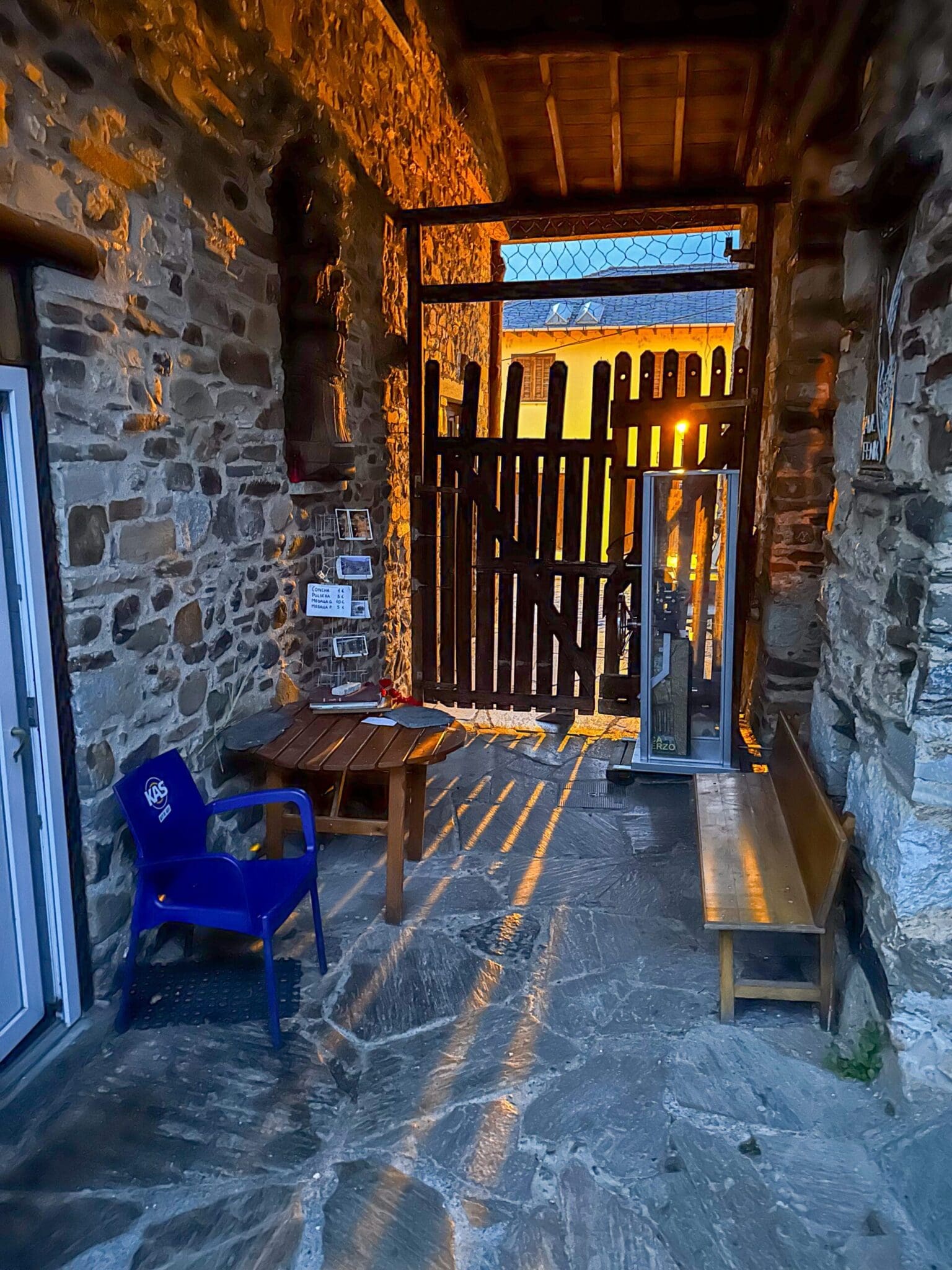

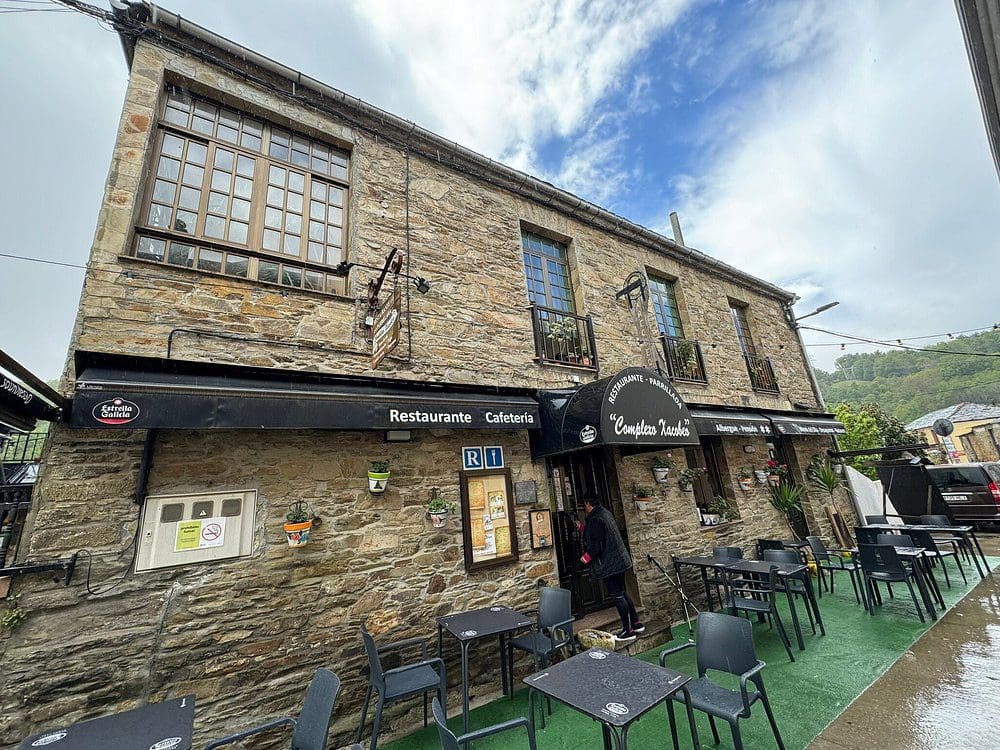
There are plenty of restaurants in Villafranca’s main square, and just off it are two that I really like. First, there is the tavern Mesón Don Nacho, which is tucked down a little alley. It’s a family-run spot serving hearty, traditional comfort foods: rich stews, local cheeses and sausages, stuffed peppers, and mussels in tomato sauce. Very close by, and a little easier to find, is El Bendito. It’s slightly more chic and perfect if you’re in the mood for something lighter, with small tapas paired with local wines. I loved the empanadas: tomato and basil, beef with olives, and spinach with cheese. It’s a bit more expensive than some other bars on the Camino, but well worth it.
Pradela
173 km (107 miles) to Santiago
From Villafranca del Bierzo, you have three options, and each one gives you a very different kind of day: First up is the standard route, which about 95% of pilgrims take. It follows the valley floor alongside the old national road, with the motorway passing overhead. There’s a little wall separating you from the traffic, but it still feels noisy and uninspiring.

Then there’s the Dragonte route, an absolute beast. It is over 26 km long, with three serious climbs and not a single café or shop along the way. It took me about nine hours, and I was completely exhausted by the end. It deserves a chapter of its own, so I gave it one later in this guide.
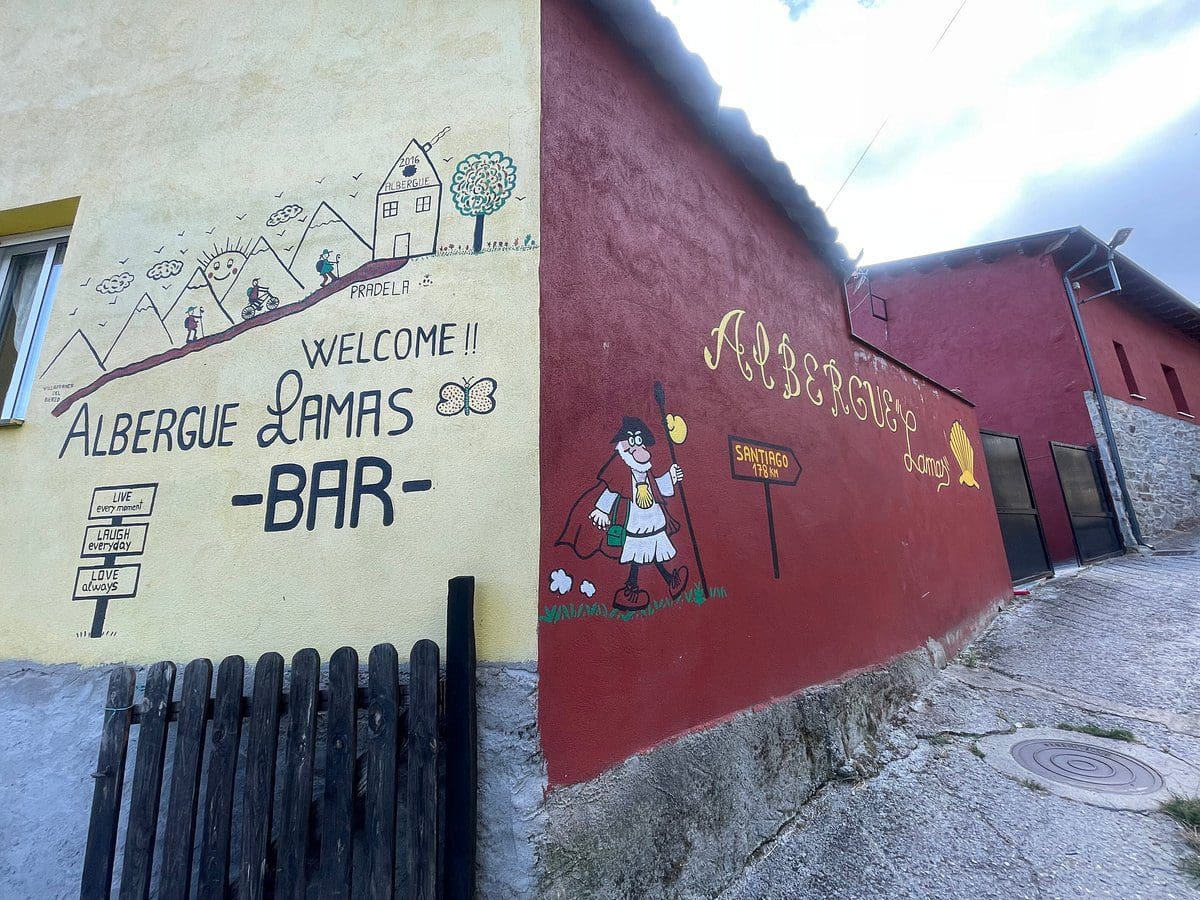
Lastly, there’s the Pradela option. If you’re looking for something quieter and more beautiful than the official route and less strenuous than the Dragonte route, take this. As you leave Villafranca, cross the River Burbia and take a right just after the bridge. It’s easy to miss and not well signposted, so keep your eyes open. The Pradela option adds about 1.5 km to your day and has a tough 400-metre climb and descent, but the views are stunning. It also avoids the worst of the road and rejoins the main trail at Trabadelo. I’ve never understood why so few people choose to walk this option; it’s simply a better experience overall. The yellow arrows really should just point everyone this way.
Pradela itself, which gives this route its name, is a tiny, somewhat run-down hamlet. It is home to a fantastic little albergue, Albergue Lama, an off-the-grid kind of place full of character. Sadly, when I passed through in May 2025, it was closed. Hopefully, it will reopen before too long.
Trabadelo
172 km (107 miles) to Santiago
The descent from Pradela down to Trabadelo on the valley floor gives you a view of the busy road you’ve managed to avoid, very satisfying.
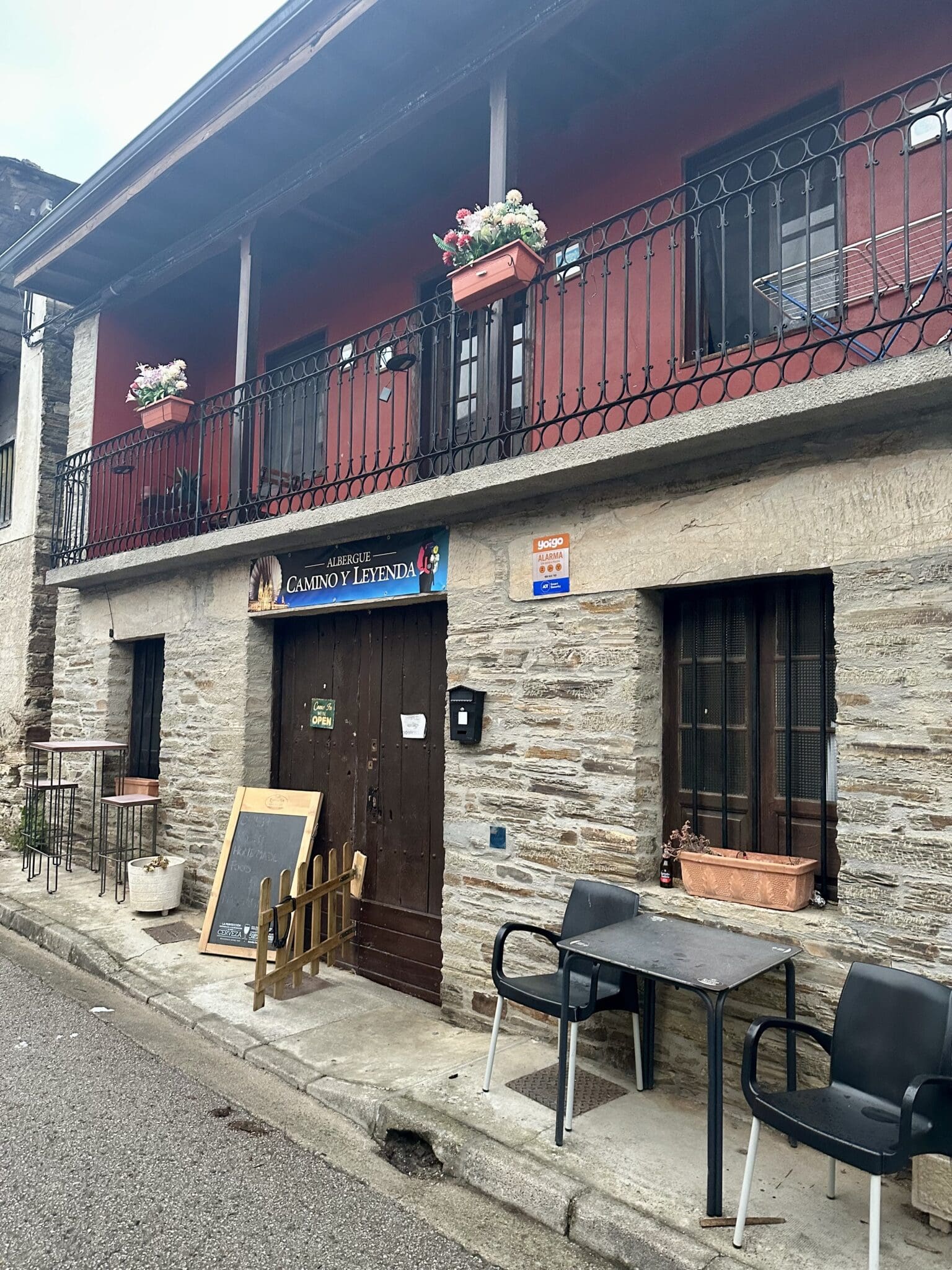
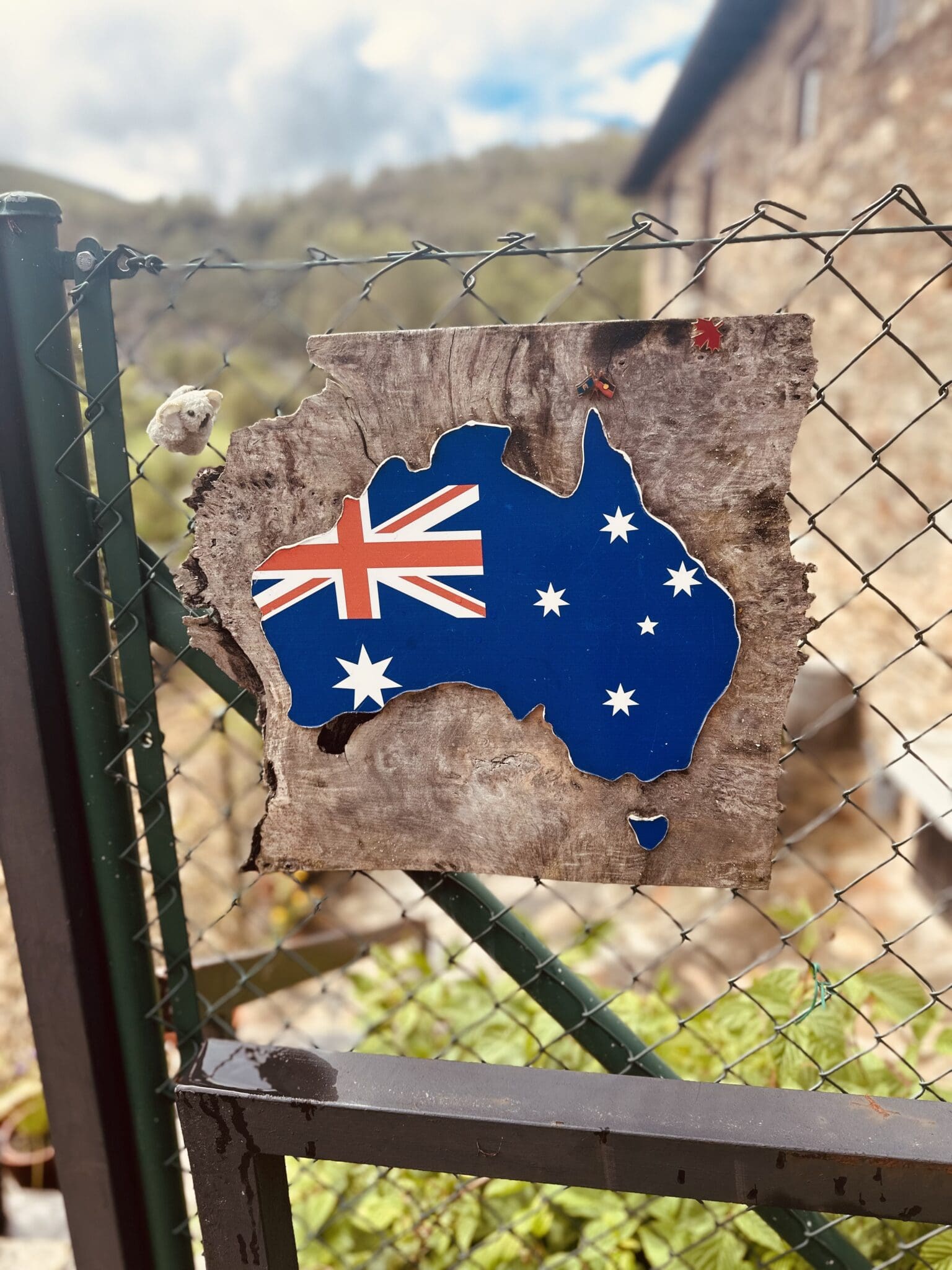
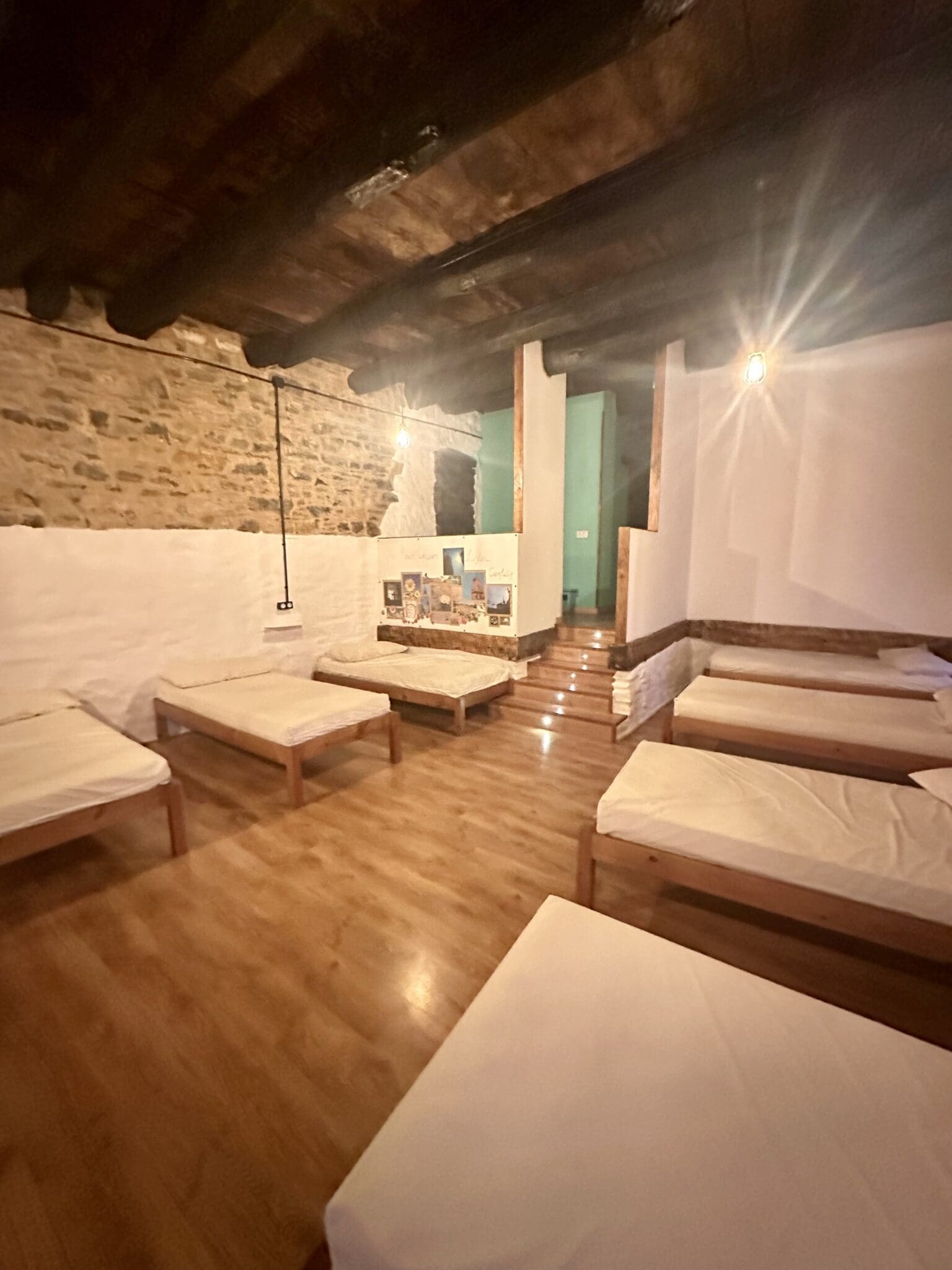
Trabadelo has a bunch of good albergues and places to eat. My favourite is Casa Susi, run by Susi from Australia and her husband, Fermín, from Barcelona. They met when Fermín was among the very first guests after Susi opened the albergue. The place is like an unofficial Aussie embassy on the Camino. The albergue is in a lovingly restored 400-year-old stone barn and has only ten beds, and the “tucker” is top-notch.

Note: If you arrived in Trabadelo via the Pradela route and fancy some more mountain hiking away from the crowds, you can pick up the second part of the famed Dragonte route from here. Just after leaving town, and right before the “Welcome to Vega de Valcarce” sign on the main road, look out for a minor road on the left that heads uphill to the tiny hamlet of San Fiz do Seo. It’s about a 4 km walk, and from there you can connect with the Dragonte route and hike over the last of its three summits before dropping down into Las Herrerías.
Ambasmestas
168 km (104 miles) to Santiago
Continue a few kilometres to Ambasmestas, with the highway from Madrid to A Coruña soaring overhead. Here you’ll find another truly special stop: the wonderfully eclectic Casa Cantadora, the Singing House, run by Knut from Denmark.
The Danes have a word, hygge (pronounced “hoo-gah”), that doesn’t translate perfectly into English but roughly means super cosiness, and this place is all about it. Stone walls, lots of wood, lots of colour, local artwork hanging everywhere, incense in the air, music floating through the house, and wherever you look, some little eclectic detail to make you smile.
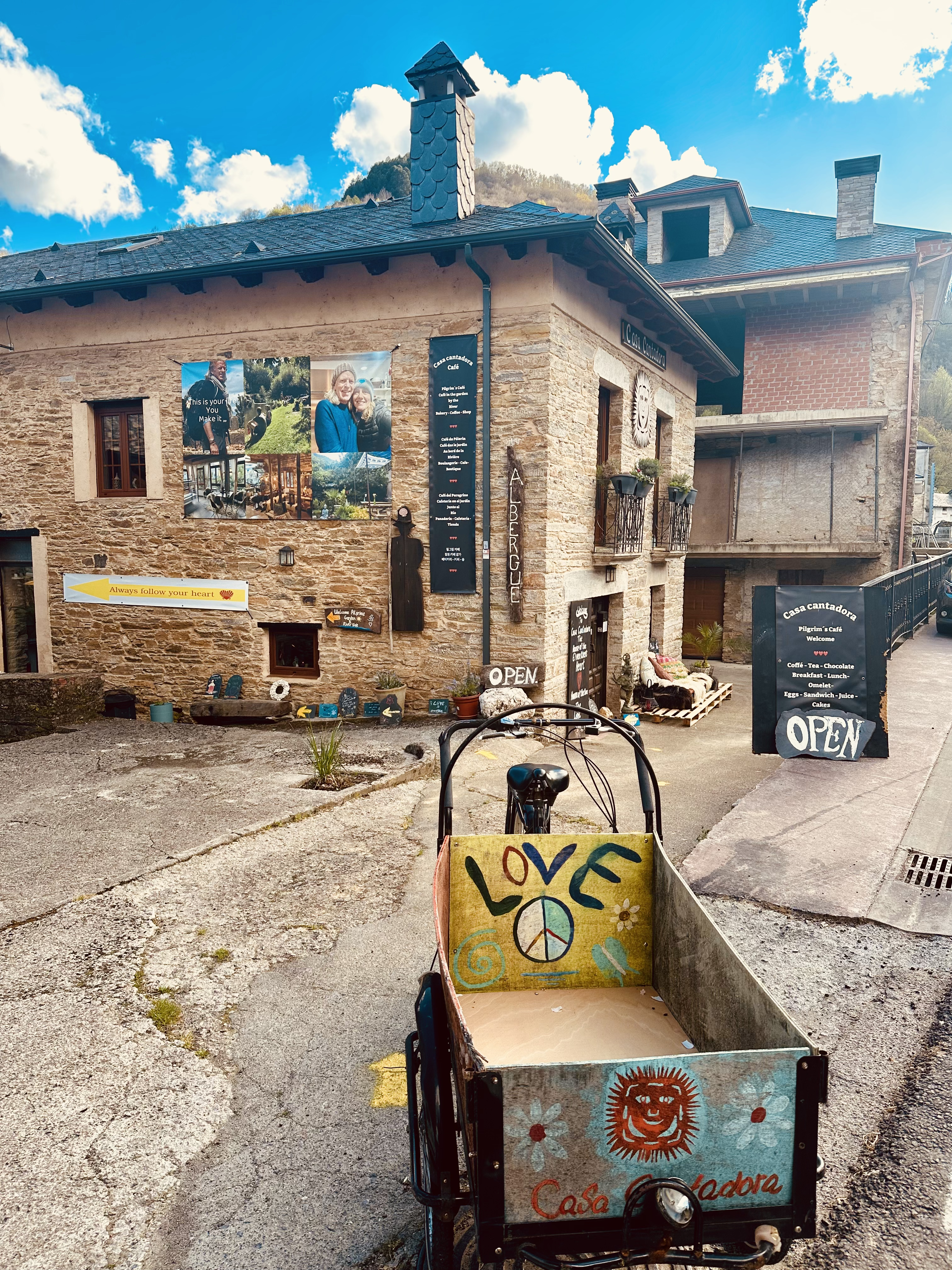

Dinner is served at a communal table, lit by candlelight, with sheepskin rugs draped over the benches and an open kitchen turning out delicious homemade vegetarian food, including Knut’s grandmother’s recipe for apple pie.
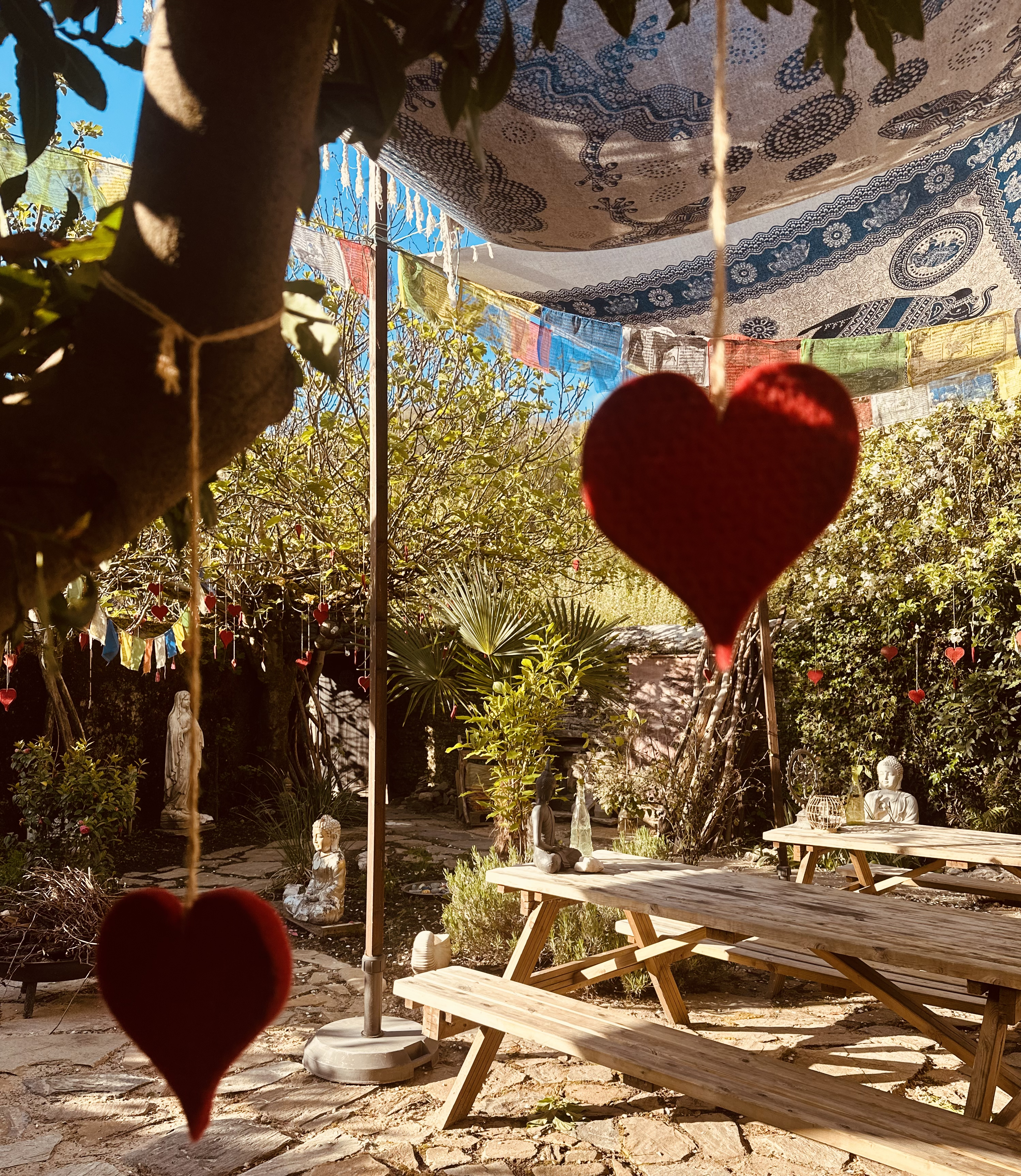
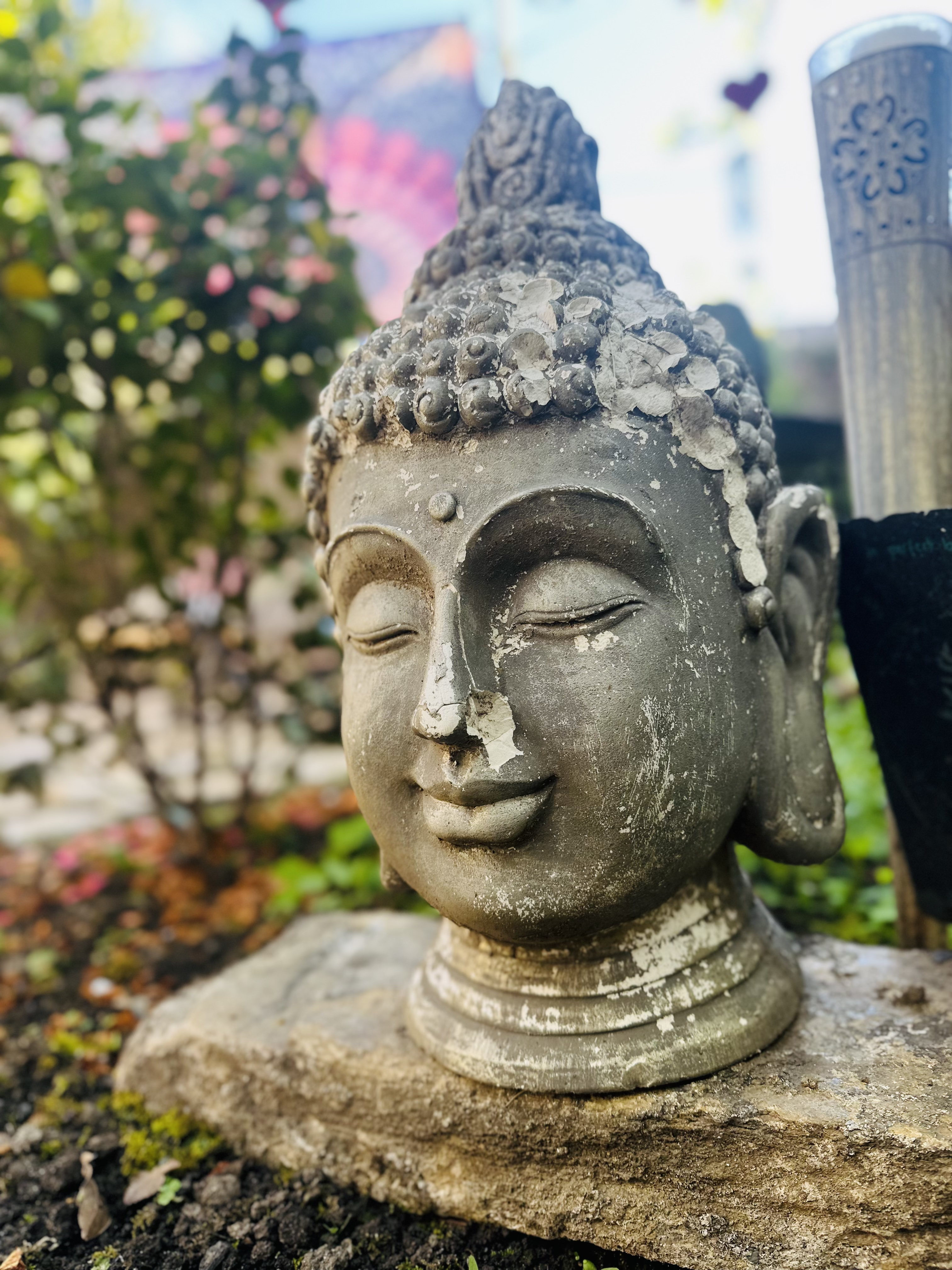
Casa Cantadora has a wonderful new-age-meets-Viking feel, with a quiet stream running behind and a shady, meditative garden; this place feels more like a small retreat than a pilgrim hostel. The spirit here is gloriously inclusive: statues of the Buddha and Ganesha sit comfortably alongside Mary and Jesus. Knut also often leads a gentle meditation in the attic temple, imbuing the entire space with a calm, reflective energy. This one is definitely worth bookmarking. And if you don’t get to stay, still stop in for breakfast: muesli, yoghurt, honey, and Knut’s fabulous three-cheese omelette.
Vega de Valcarce
166 km (103 miles) to Santiago
A couple of kilometres further brings you to Vega de Valcarce, a laid-back little village with a few albergues and cafés.
Las Herrerías
162 km (101 miles) to Santiago
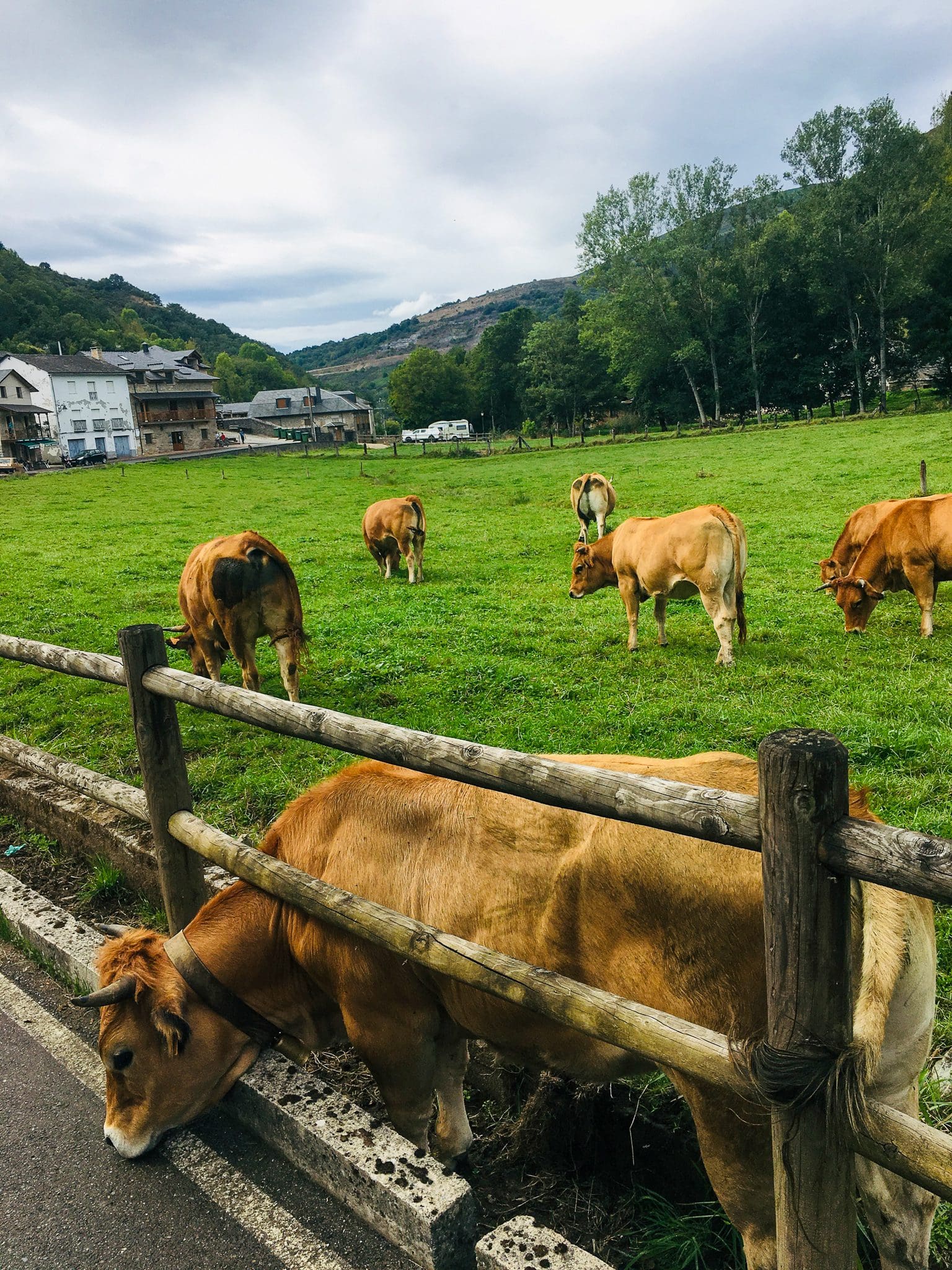
It’s another 4 km along a peaceful road beside the river, winding through a green valley with hills rising on all sides, before you reach Las Herrerías, “the blacksmiths’ village.”
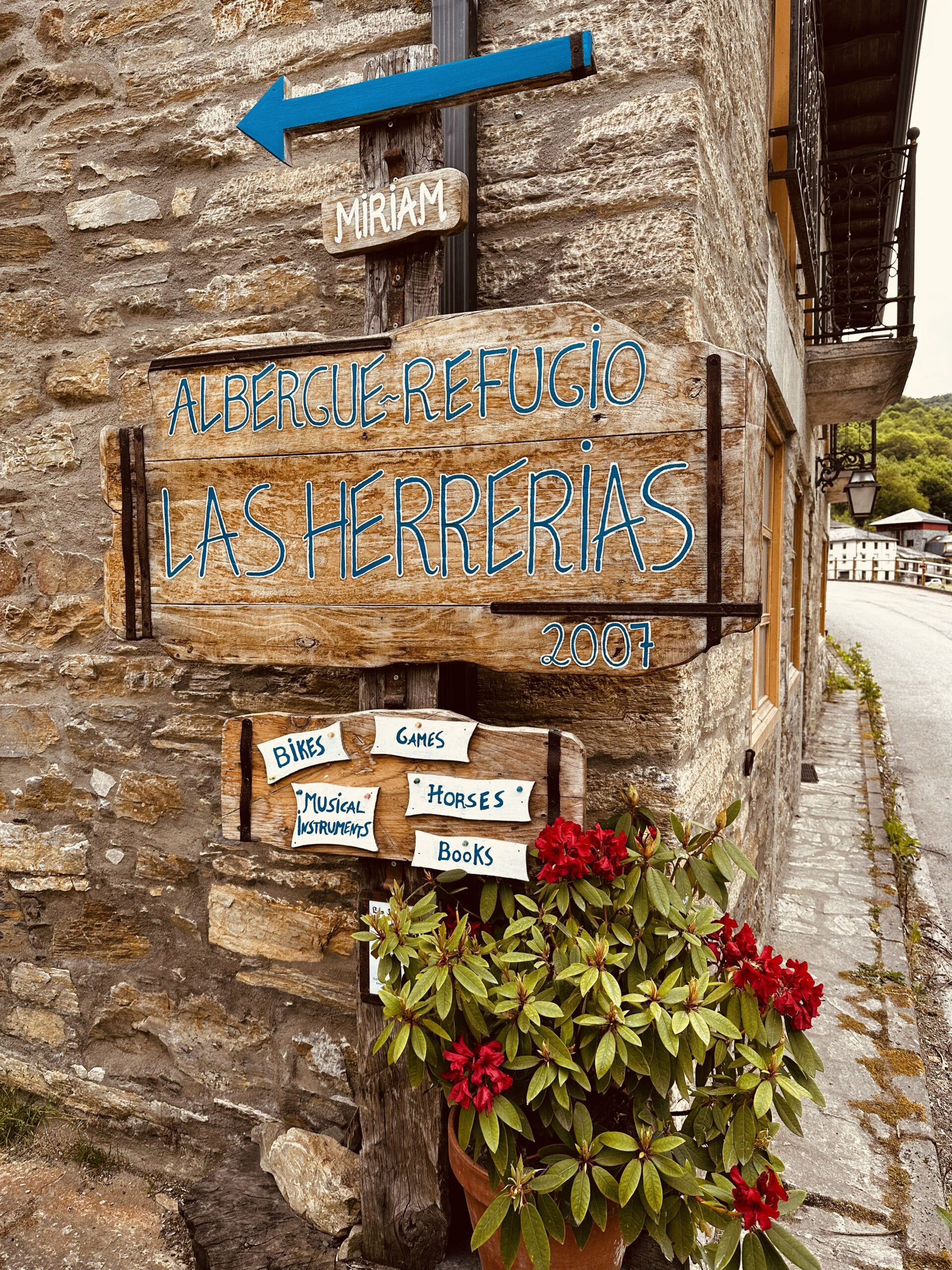
It’s a lovely place to pause, whether for a break or to stay the night before the climb to O Cebreiro. There are a few excellent albergues here, including Casa Lixa and Albergue Las Herrerías.
You can even hire a horse to take you up the mountain. It costs about €60.
La Faba
159 km (99miles) to Santiago
Leaving Las Herrerías, you pass trees where pilgrims have begun tying ribbons and leaving messages, a wish or simply a thought, before joining a quiet paved road that begins a steady climb. After a few kilometres, you leave the road and turn left onto a trail that leads into the forest, where the real ascent begins. This peaceful, wooded stretch winds its way up and up until you finally emerge at the tiny hamlet of La Faba (The Bean).
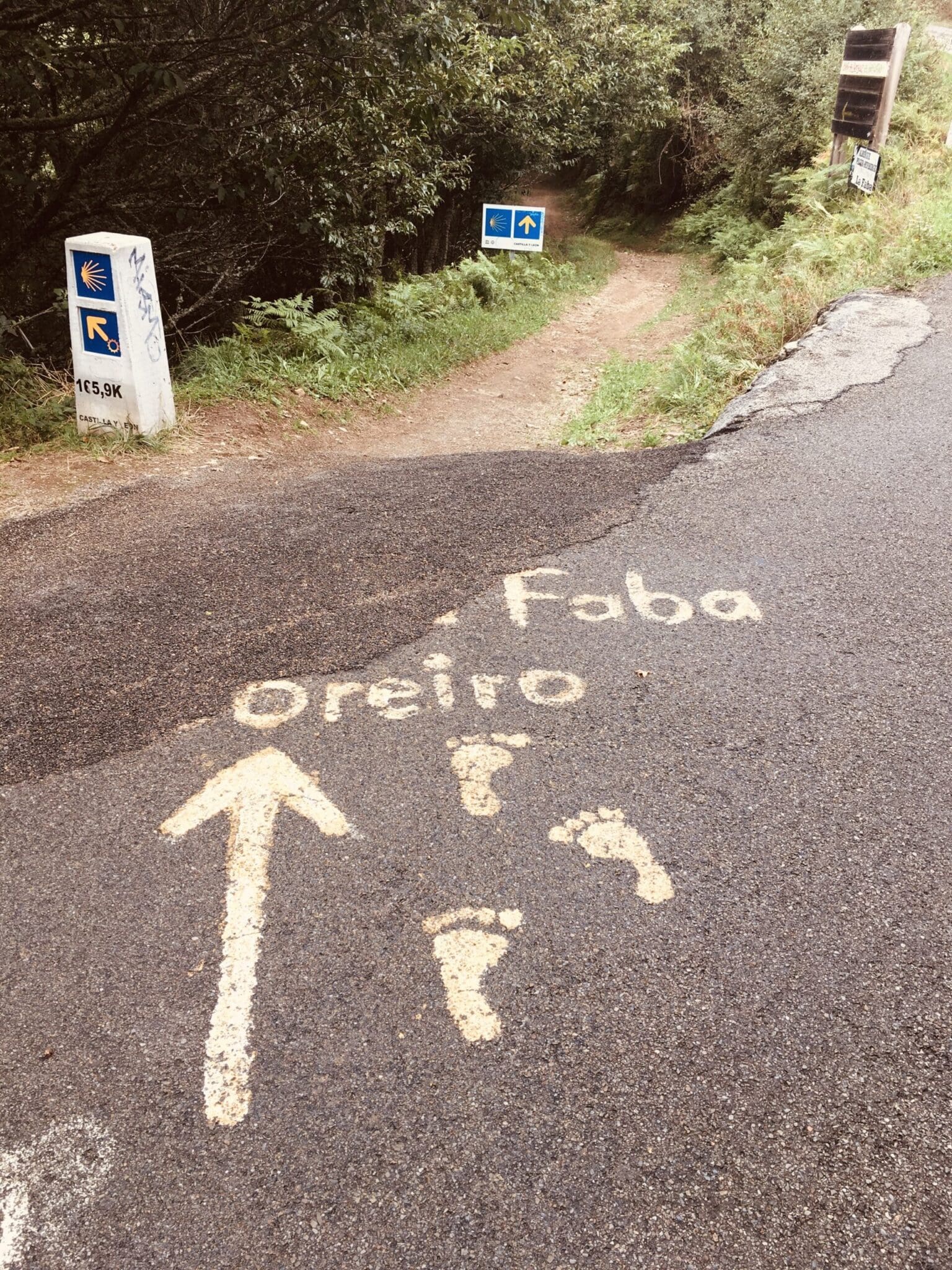
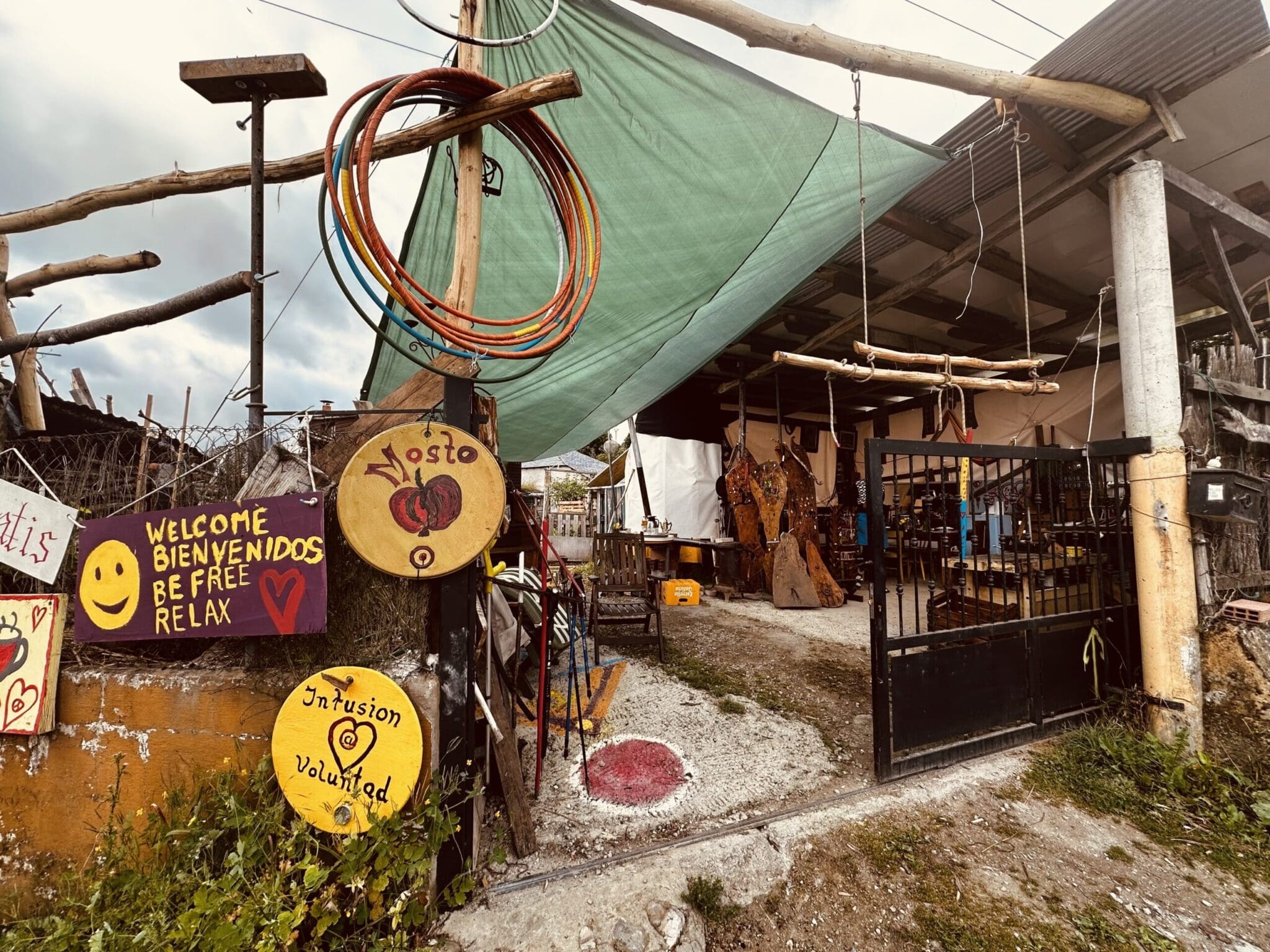
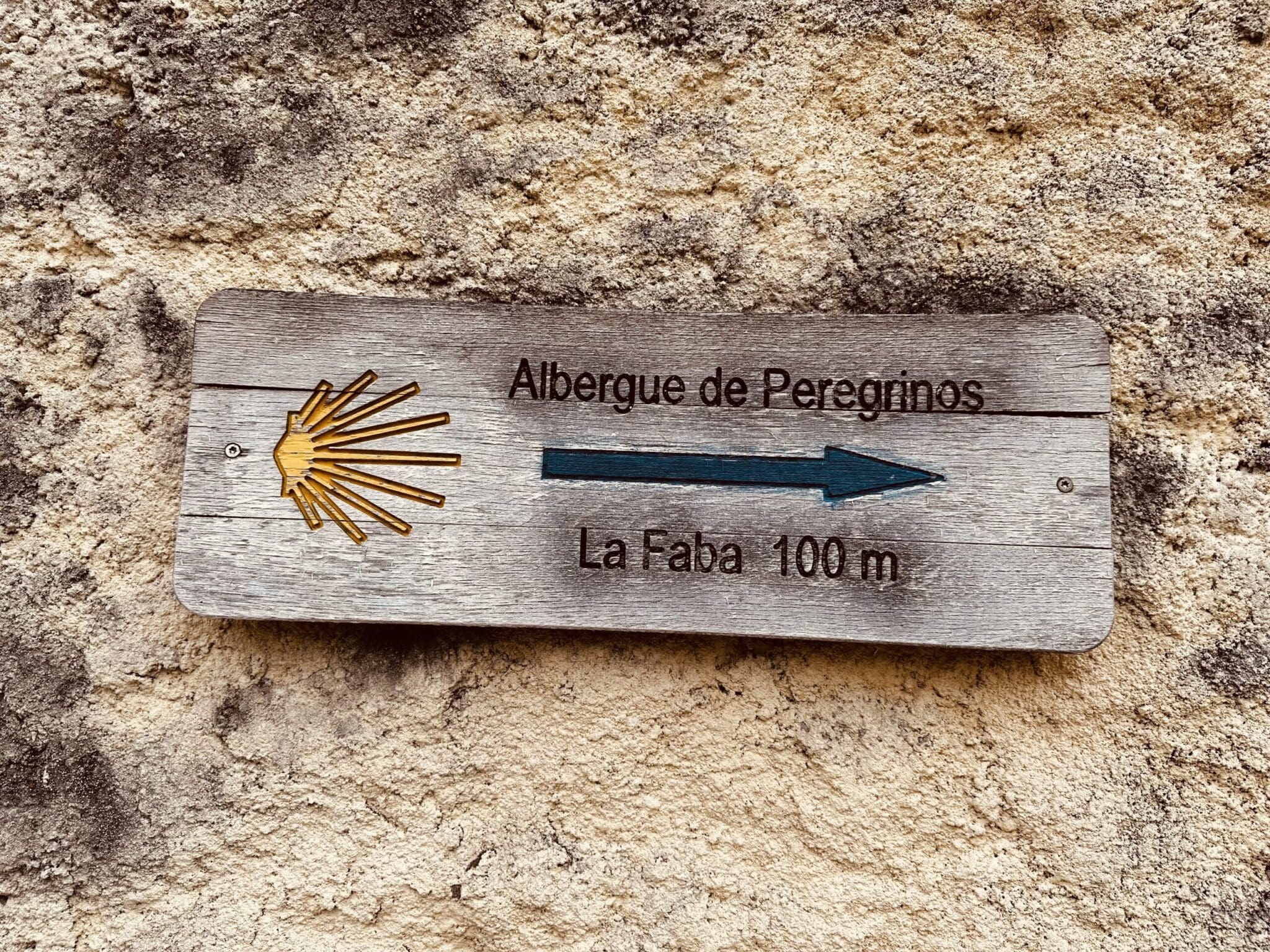
La Faba has a small café and a wonderful albergue run by a German volunteer group, housed in a lovely old stone building beside the church, with a little foot-soaking spot out back. I stayed here just once, and it was one of the most peaceful evenings on the entire Camino, utterly quiet up there in the mountains. One small note: when you arrive in La Faba, the path bears left toward O Cebreiro, but the albergue and church are to the right, about 100 yards off the main route.

O Cebreiro
154 km (96miles) to Santiago
Keep climbing for another couple of kilometres, and you’ll reach Laguna de Castilla, where you will find a great albergue serving up delicious local food. From there, it’s just a short final push to O Cebreiro.
You’ll cross into Galicia along the way, the last of the four autonomous regions, or nations, depending on which proud Galician you ask, that you pass through on the Camino Francés, and there’s a big stone marker to let you know you’ve made it.

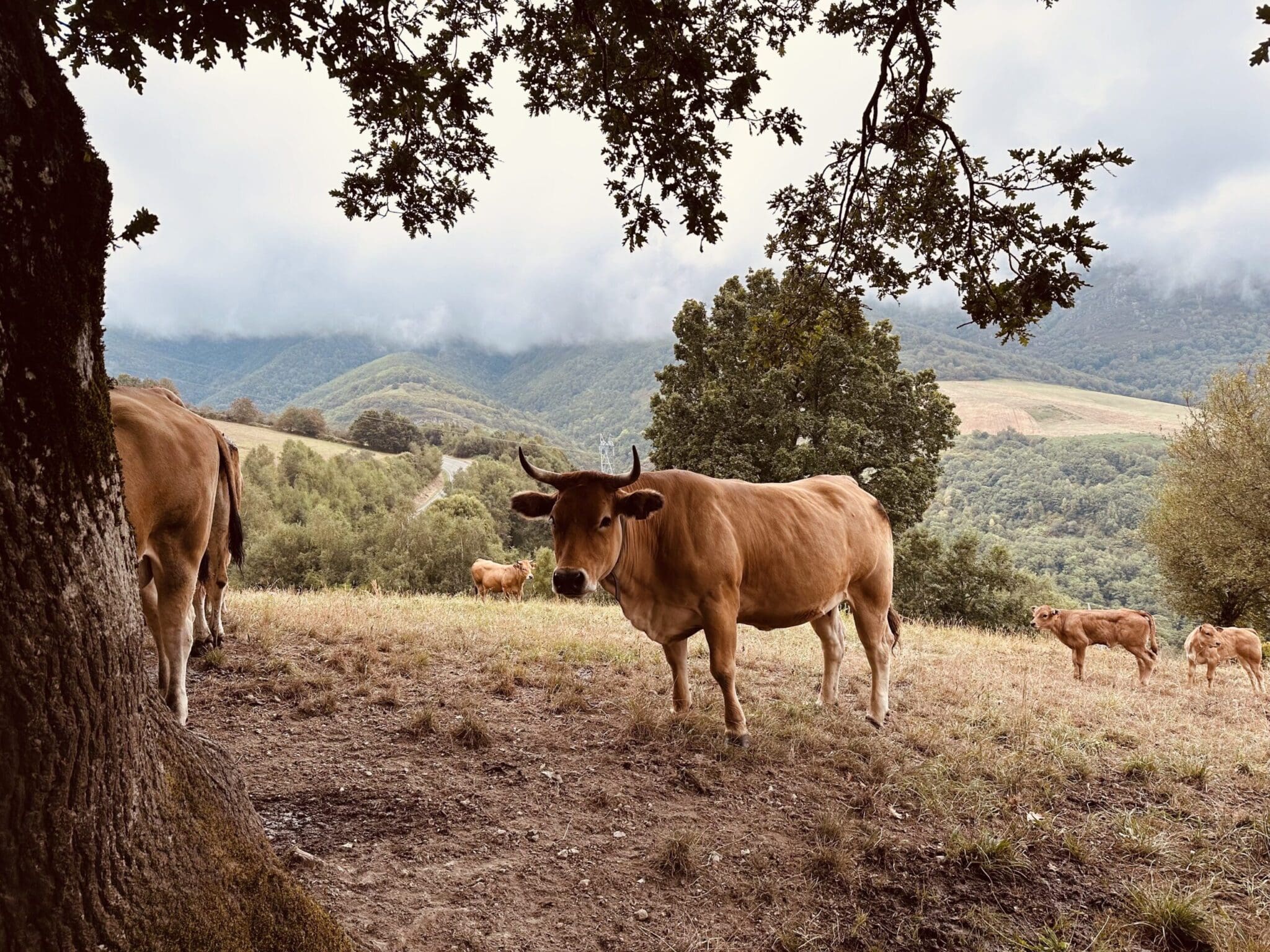
Also, make sure you bring a rain jacket. They say, “The rain in Spain stays mainly in the plain,” but whoever came up with that clearly never visited Galicia. It can make Ireland, my home country, feel almost arid. The Galicians supposedly have over 70 words to describe different types of rain, from fine, misty drizzle like babuxa to heavy downpours known as ballón. You will still experience stunning sunny days, too; just be warned,
O Cebreiro is one of the most iconic spots on the Camino Francés, perched high in the mountains and often shrouded in mist, making it feel like you’ve stepped into another world. The round stone pallozas, with their thick thatched roofs, give the village a bit of a Smurf village feel.
The church of Santa María la Real in O Cebreiro, dating to the 9th century, is reportedly the oldest on the Camino, and legend has it that it once housed the Holy Grail. They hold a special pilgrims’ mass there every evening at 7 pm.
O Cebreiro was also home to Don Elías Valiña, the father of the modern Camino and the inventor of “the yellow arrow”. After being appointed parish priest of O Cebreiro, he first set about restoring the village, and then, during the 1970s and 80s, began painting the now-famous yellow arrows.
One story captures his spirit perfectly. During the Holy Year of 1982, when fears of terrorism were high in the Basque Country, yellow arrows painted on trees in the Pyrenees caught the attention of the Guardia Civil. Following the trail, they eventually came upon a battered white van, from which a small, smiling man stepped out.
When approached, he opened the back doors to reveal tins of bright yellow paint and a dripping brush.
“Identification!” the officers insisted.
“I’m Elías Valiña Sampedro, parish priest of O Cebreiro in Galicia,” he replied.
“And what are you doing with all this?” they demanded.
“Preparing for a great invasion…” he answered.
There’s a large, modern municipal albergue at the far end of the village, with spectacular views of the valley below. This is the first of many Xunta albergues you’ll encounter on the road ahead. The Xunta, Galicia’s regional government, runs a network of public pilgrim hostels right across the region. Quick tip. It’s pronounced, “SHOON-tah.” No X.


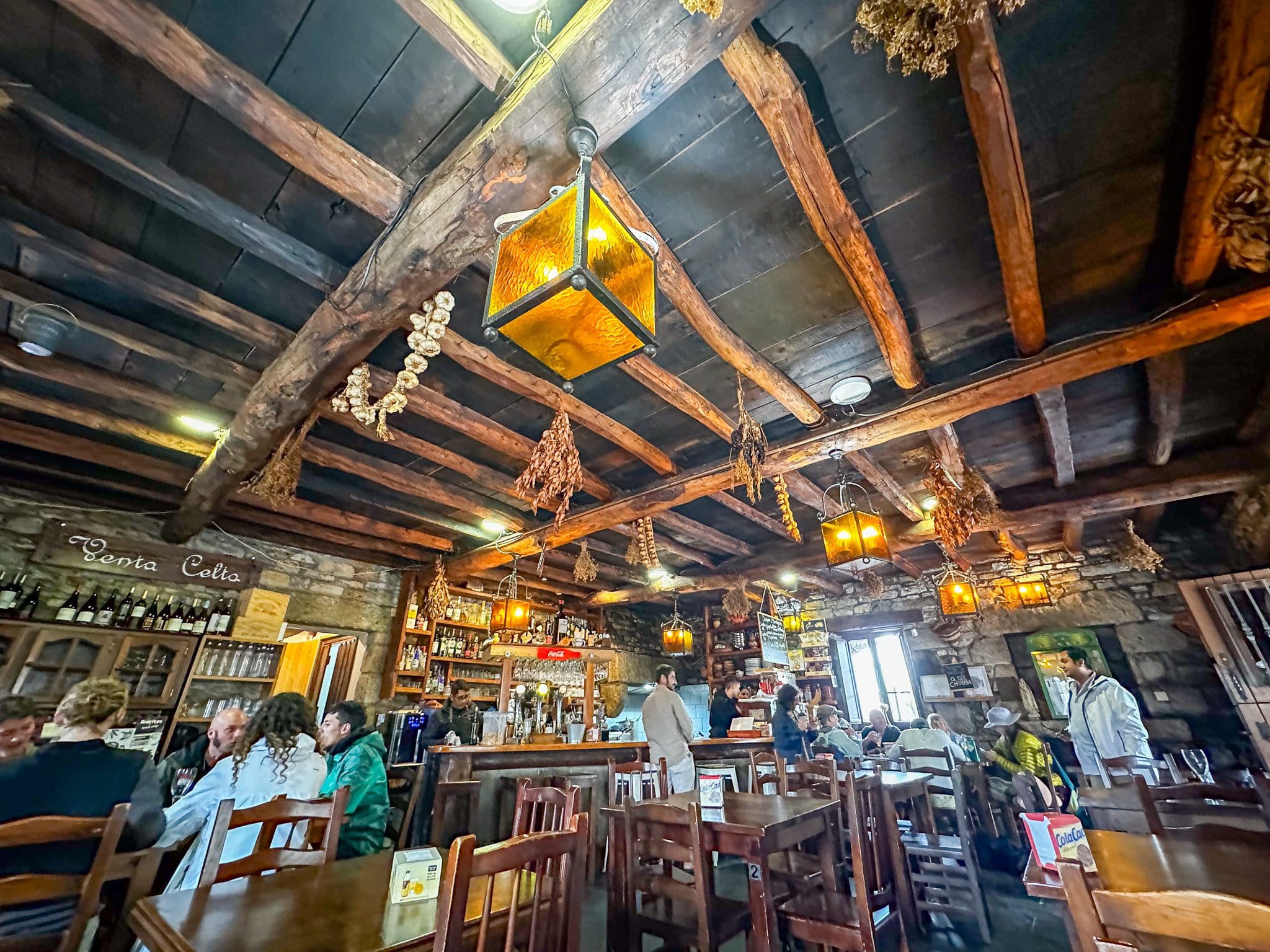
For something cosier, there are a couple of smaller private albergues and guesthouses dotted around. There are also some excellent restaurants in O Cebreiro. I particularly liked Venta Celta, a fine old tavern serving homemade caldo, a hearty Galician soup, alongside rich stews and great hunks of local bread.


I always wondered why so many towns in Galicia have the letter “O” in front of them, like O Cebreiro. It kind of reminds me of how in Irish we say O’Connor or O’Brien, where the “O” means “son of.” So I googled it, and it’s actually just the Galician word for “the.” So O Cebreiro simply means “The Cebreiro.” Galician uses “O” for masculine names and “A” for feminine ones, similar to how it uses “A Coruña.” It’s the same idea as in Spanish, where they use “El” and “La,” like El Ganso or La Rioja.
Fonfría
142 km (88 miles) to Santiago
As you leave O Cebreiro, you have two choices at the municipal albergue. If you go to the right, you’ll go downhill for about a kilometre along the main road. If you go left, you can follow a quieter, more wooded path along a peaceful country road. Both routes meet again in the hamlet of Linares.
After Linares, the road turns uphill again for a couple of km as you climb towards Alto de San Roque.
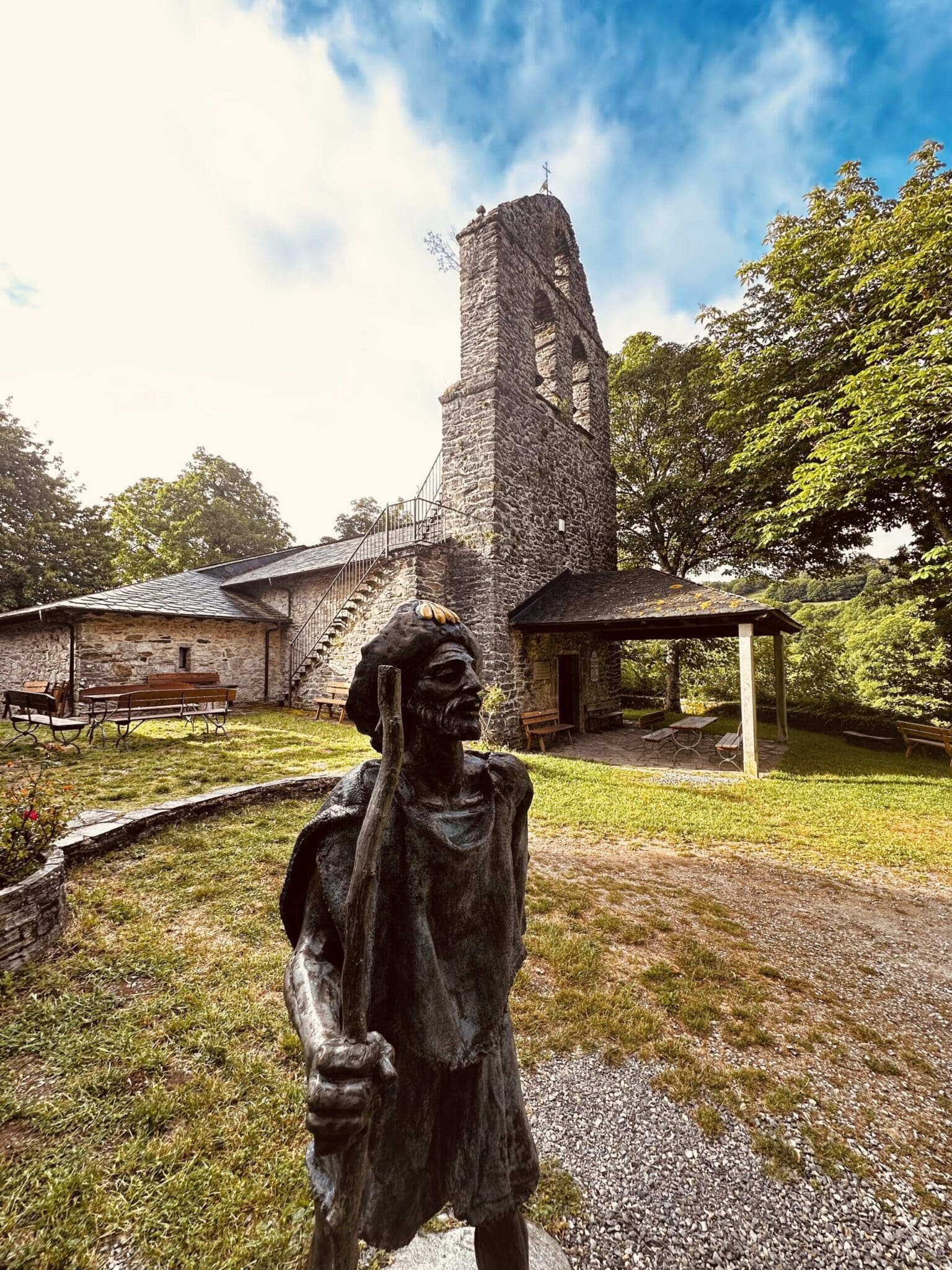
At the top stands a bronze statue of a pilgrim, cloak flying, staff in hand, hat almost ripped off by the gale, leaning hard into the wind. After that, it’s a little downhill, and then one last unexpected hard push up to the lookout point at Alto do Poio. There is a great little café at the top, and from there it is pretty much downhill for the next 12 km.
I rode a bike down it once and barely touched the pedals. It felt like being on a moped. You can actually rent bikes in O Cebreiro and freewheel all the way down, winding through hairpin bends, a brilliant way to descend, especially if you came up on a horse. Just don’t go telling anyone.
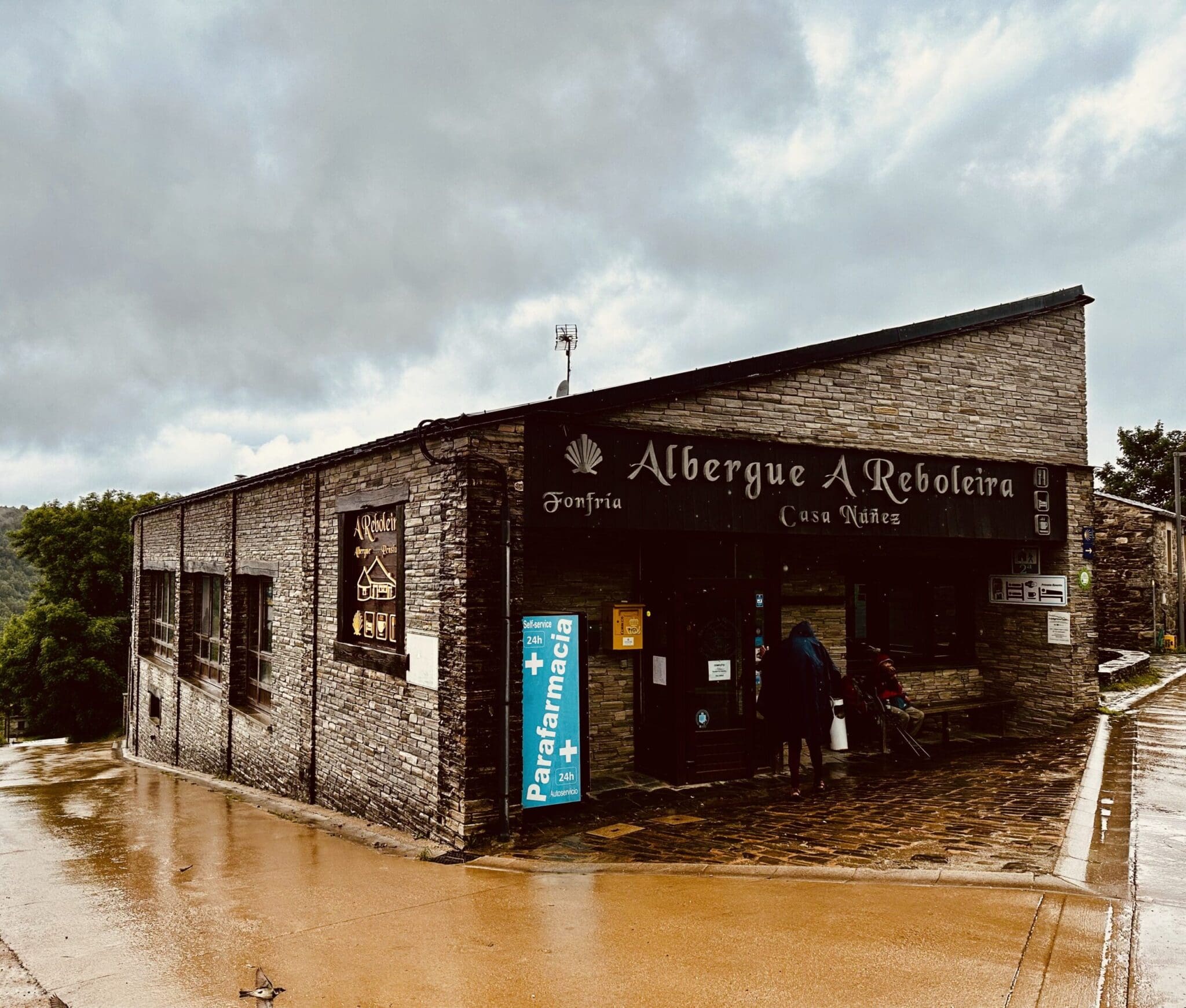
So, wisdom has prevailed, and you have decided not to take your life in your hands bombing down on a bike. You are walking instead. As you head down the hill, keep an eye out for another alternative path on your right. This takes you past and away from the road along a farm path for a few kms until you reach Fonfría, home to Albergue Pensión A Reboleira, another Camino gem. This place has loads of charm, wood-beamed ceilings, a cosy common room, and a legendary communal dinner that brings everyone together.
From there, the trail continues, mostly staying away from the road as it winds through open fields and patches of forest, passing through small villages like Biduedo and Filloval before finally dropping into Triacastela, tucked into the valley below. The views along the way are simply stunning. It’s a cracking day’s walk.
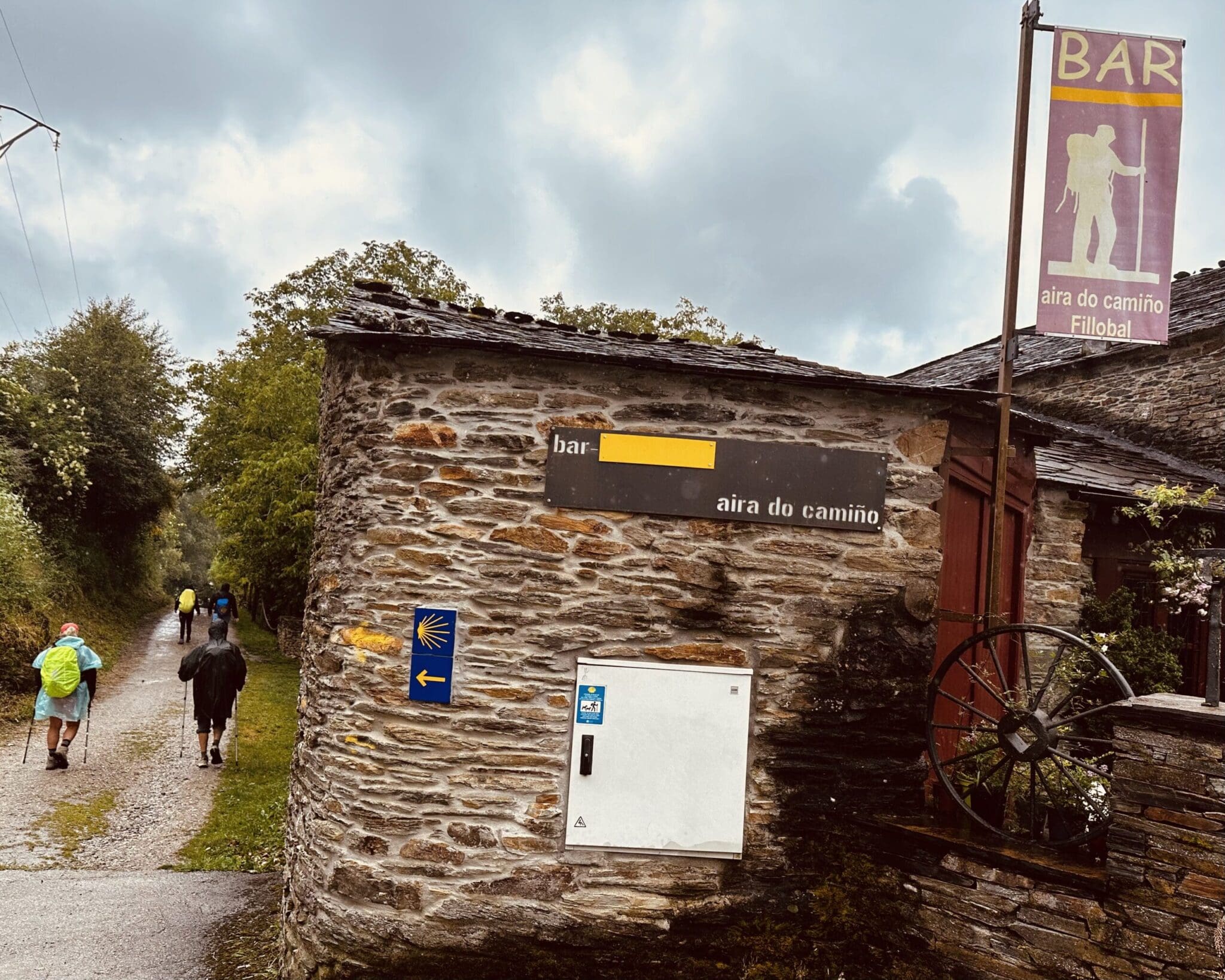
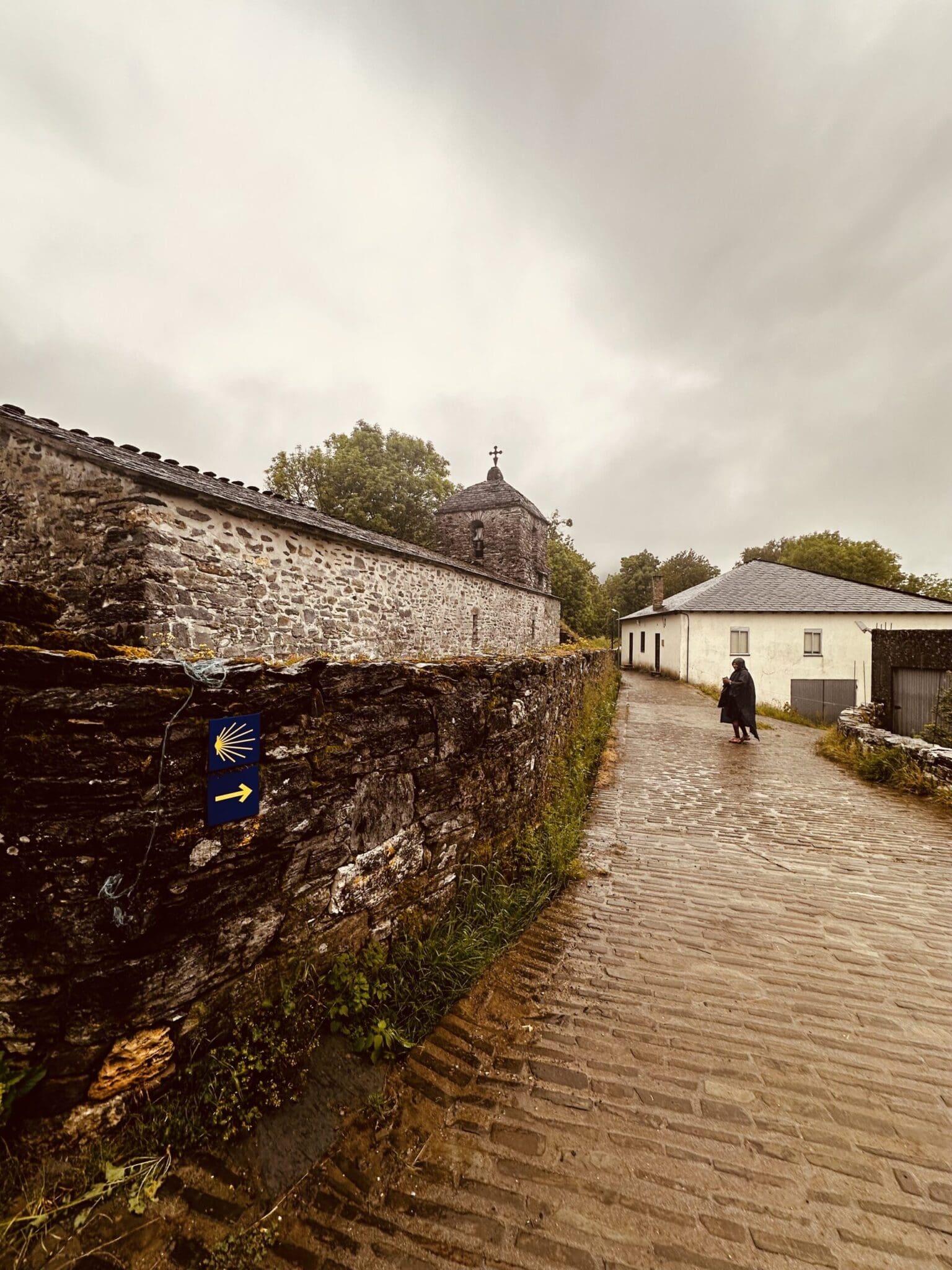
Tricastela
133 km (83 miles) to Santiago
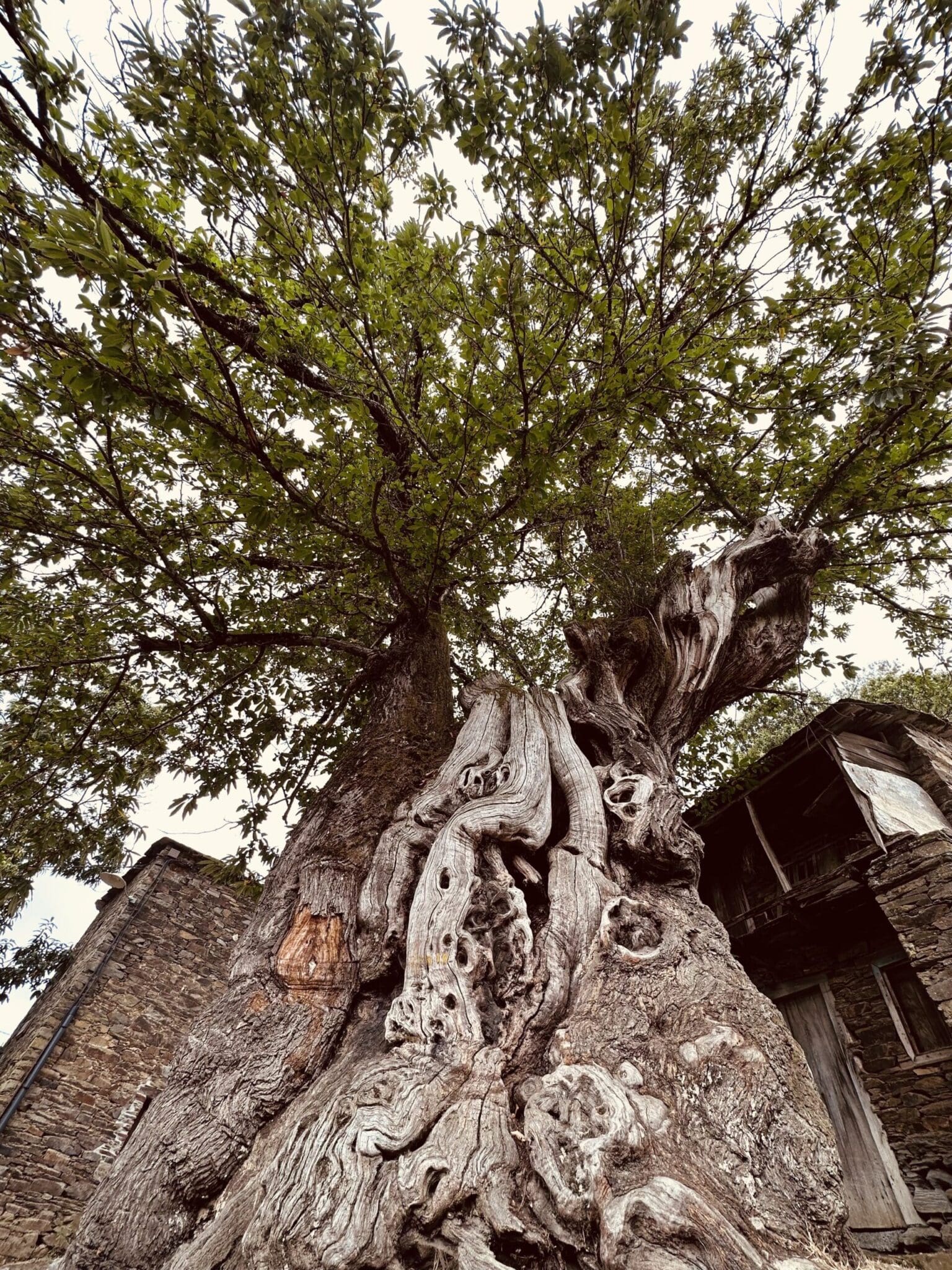
Triacastela is a small, friendly village in a green valley, surrounded by wooded hills and open meadows. On the way in, you pass a giant, twisted sweet chestnut tree that has stood there for centuries. The town’s name means “three castles,” although none of them survives today.
Triacastela sits in a limestone valley, and tradition has it that each pilgrim would pick up a small piece of stone here and carry it all the way to Santiago to help with the building of the cathedral. Every little helped.
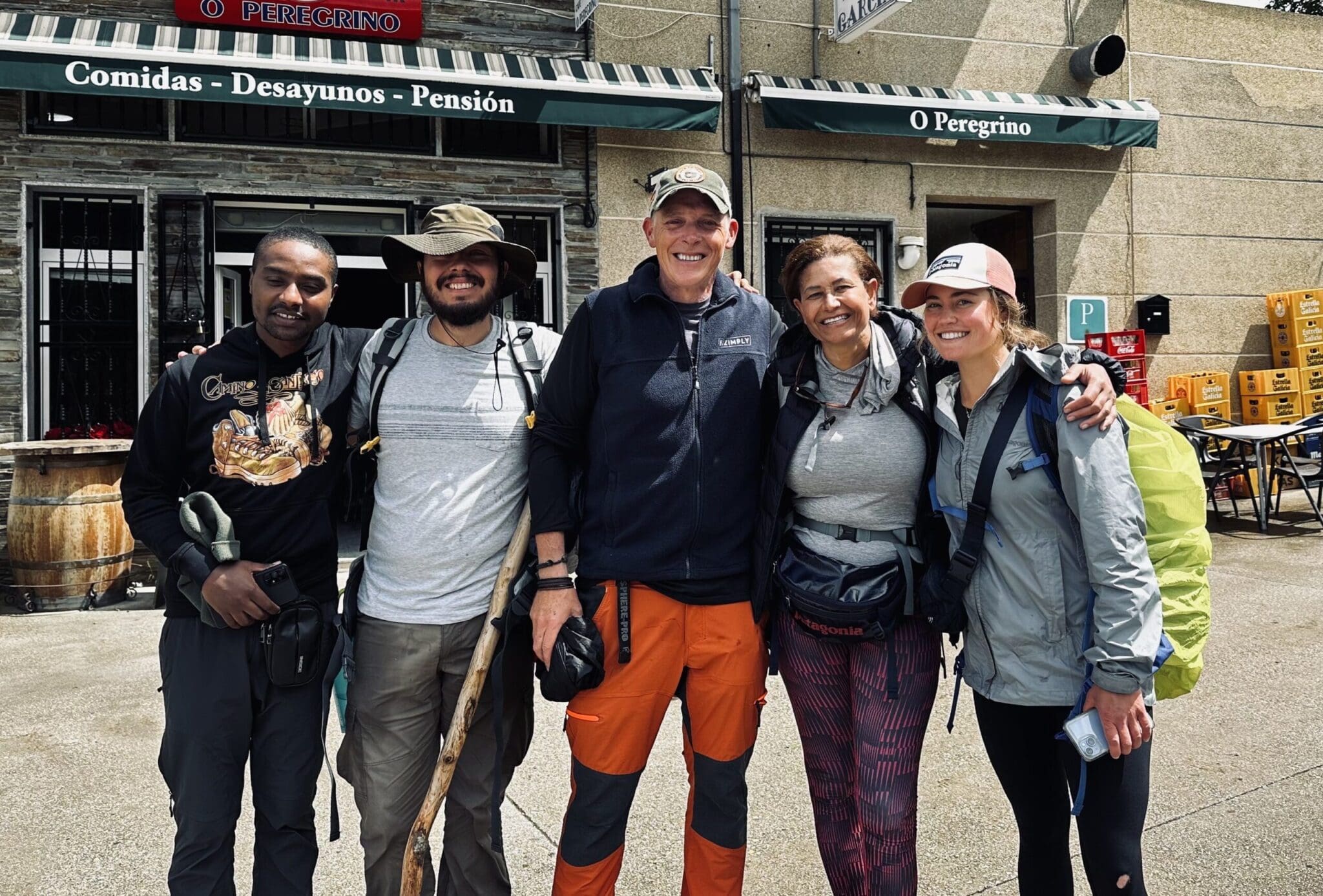
This is another one of my favourite villages on the Camino. It has a real buzz of energy in the air. There are loads of albergues all lined along the same main street, really the only street, so you keep bumping into people you met days earlier. It is a brilliant spot to reconnect and swap stories.

The San Xil Route
129 km (80 miles) to Santiago
After Triacastela, the Camino splits into two routes to Sarria, both of which I really like. The first option, via San Xil, is the shorter, more traditional route, about 18 kilometres long. It climbs steadily out of Triacastela through quiet hamlets like A Balsa, San Xil, and Montán, passing under tall chestnut trees and across green pastures. There are very few cafés along the way, so it’s worth carrying some food and water, but the reward is the solitude and the scenery: gentle hills, stone walls, and wide views of rural Galicia.
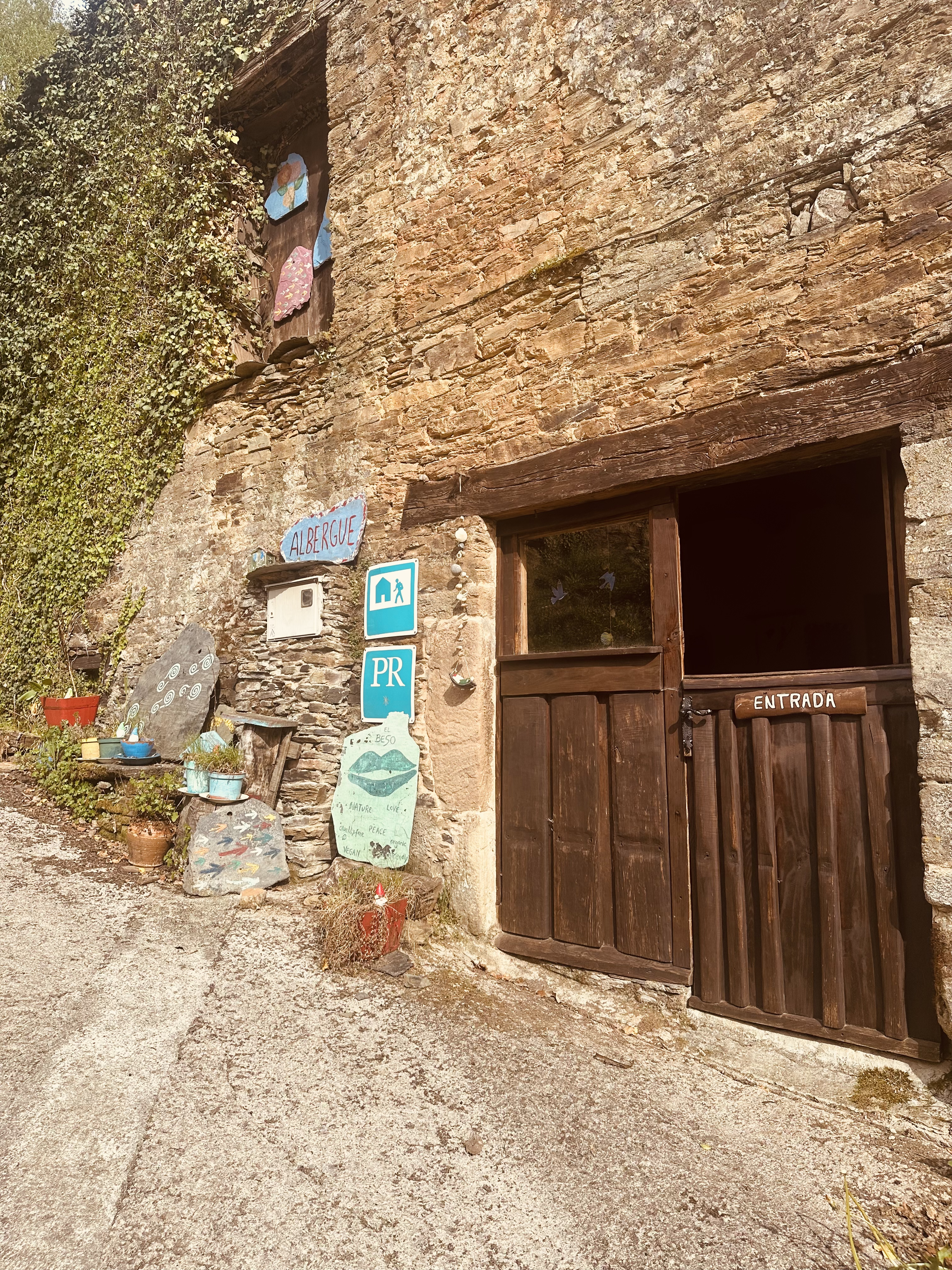
In A Balsa, you’ll find one of the Camino’s most special albergues, Albergue El Beso, “The Kiss.” It’s run by Jessica and Marijn, an Italian-Dutch couple who first met on the Camino and decided to stay. They spent seven months sleeping in a tent, travelling back and forth along the route in search of a place to call home, until they found this old building in what they describe as the most beautiful secret valley on the Camino.


They lovingly restored it, turning it into a peaceful little oasis full of warmth and care. The whole place has a strong, sustainable, ecological feel, with a lovely garden dotted with hammocks, a very impressive 800-year-old chestnut tree, and a magical little forest walk out the back.
Dinner is communal and vegetarian, served in an extension built from straw and heated in winter by a wood pellet burner. We had pumpkin soup followed by lentil burgers served with brown rice, topped with crushed sesame seeds; simple and delicious. This place is just lovely.

Montón
126 km (128 miles) to Santiago
About 5 km further on, you pass through the village of Montón. Keep an eye out on the left for Terra de Luz (land of light), a lovely little donativo rest stop set up by Simon from Australia. It is not an overnight place, more a daytime sanctuary, with a gentle, hippy-commune feel, comfy couches, a few guitars scattered about, and a small space for yoga or stretching out tired legs.
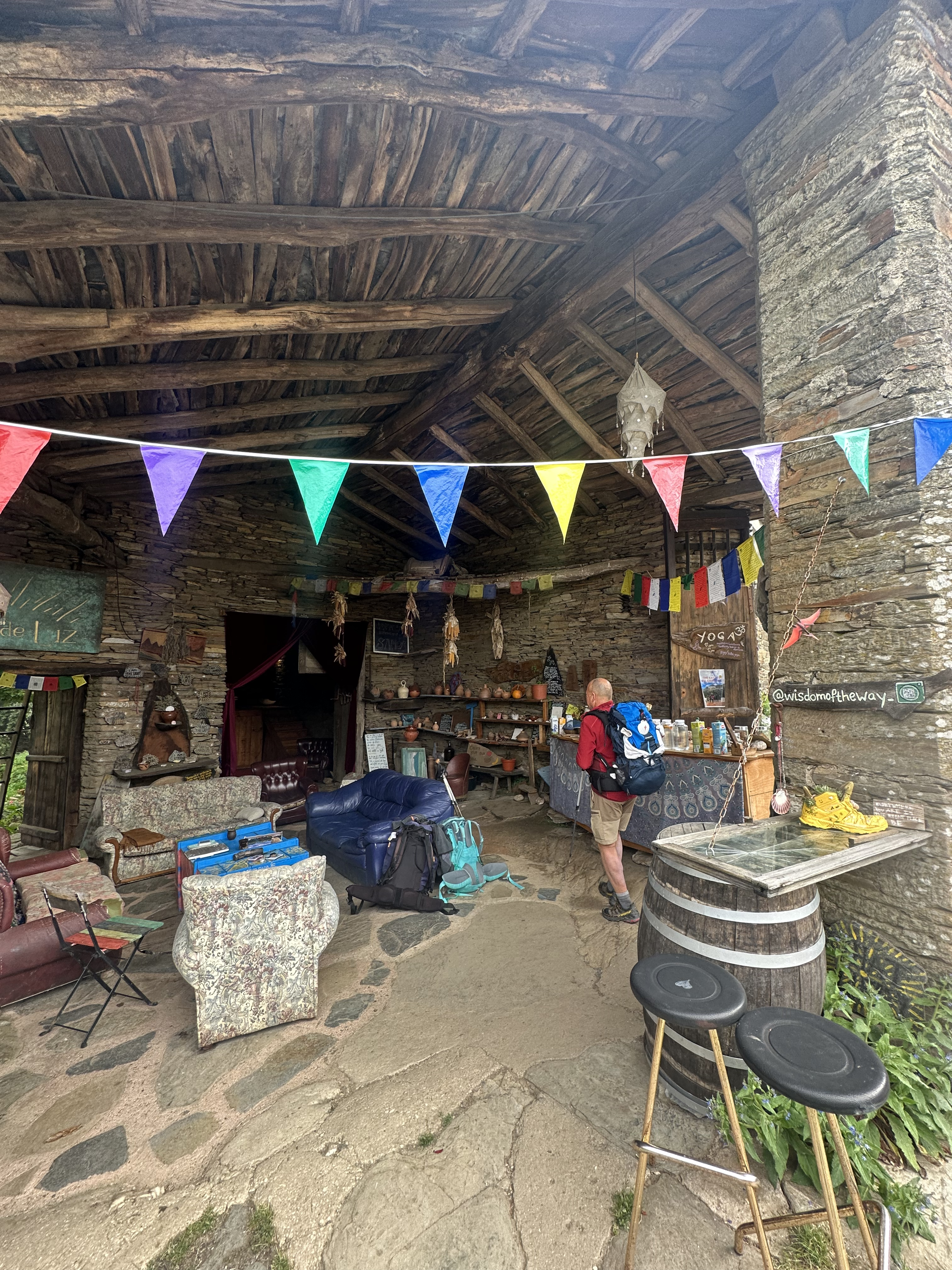
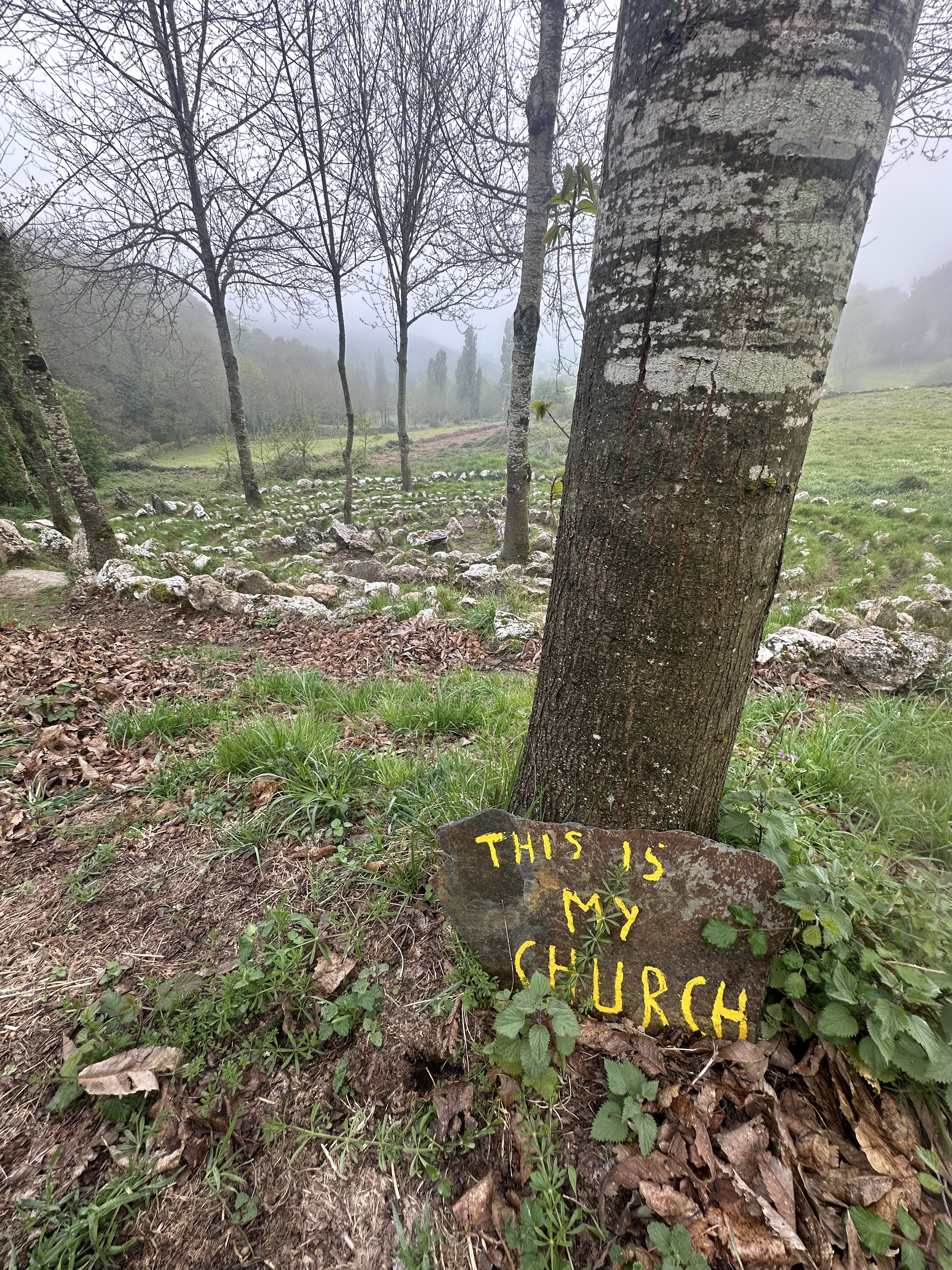
It’s a perfect spot to slow down for an hour, have a tea, and just breathe before heading back out on the trail. I really like this place. Take your time here, sit and reflect in the temple, or wander the labyrinth.

Samos
129 km (80 miles) to Santiago
The second option, to Sarria via Samos, is about twenty-two kilometres. The path follows a peaceful river valley through small villages like San Cristovo and Renche before reaching Samos. Mostly downhill or flat, the walk is lovely, following a quiet road that winds along a river through lush forest.
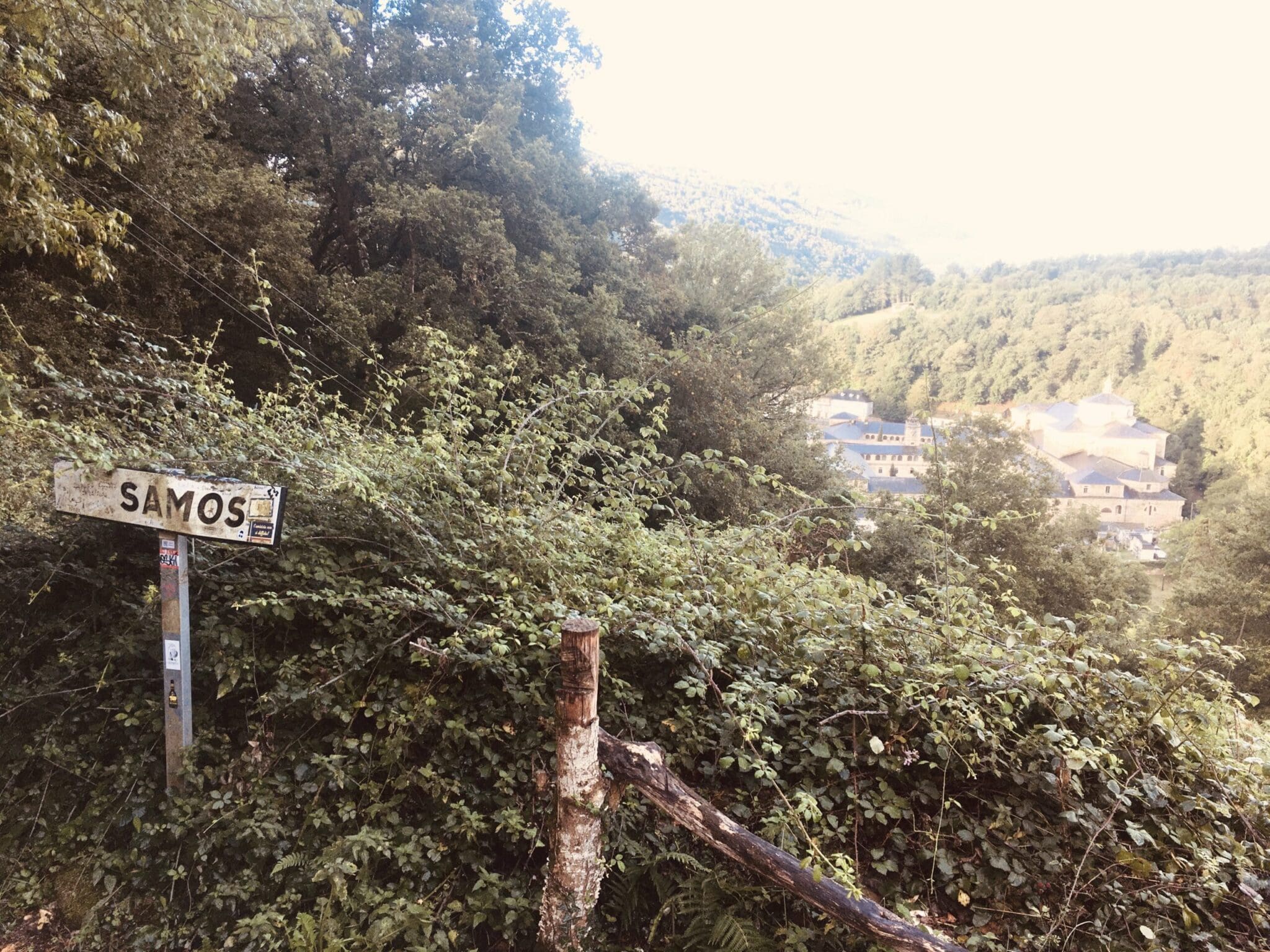
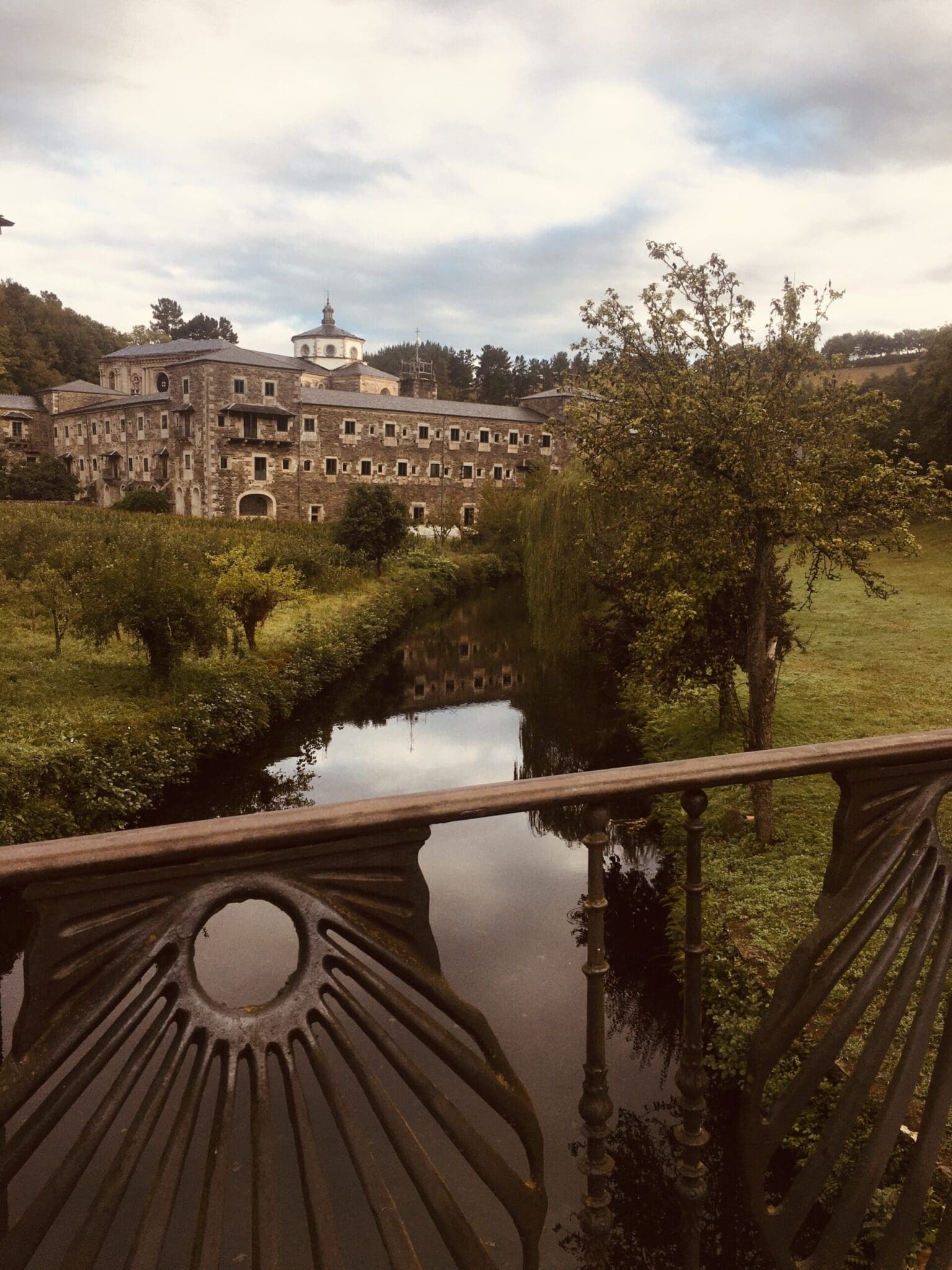
When you reach Samos, the first thing you’ll see is the huge Benedictine monastery, one of the oldest and biggest in Spain. It completely fills the village. You can take a guided tour, which is worth doing, or just sit outside and soak it all in.
There’s a simple, spartan municipal albergue in the monastery, nothing fancy, but it’s clean, and the view over the monastery grounds is magical. It’s a special stop, and for me, well worth the few extra kilometres.
Sarria
115 km (71 miles) to Santiago
The walk from Samos to Sarria is about 12 km of gentle ups and downs through shady woods, quiet back roads, and tiny hamlets.
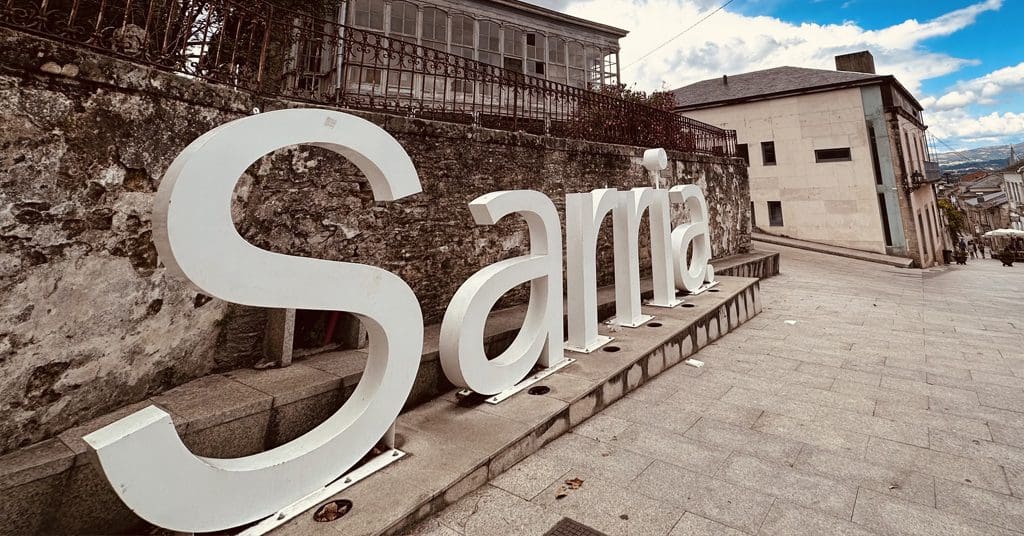
Then you roll into Sarria, where the Camino really shifts gear. Sarria is by far the most popular place to begin the Camino Frances. Well over 200,000 pilgrims start here each year, as it sits just beyond the final 100 km needed to receive the Compostela, and everything suddenly changes.
The town can feel super busy, full of new faces, fresh boots, and spotless gear. You’ll see newbies pulling wheelie cases along the cobbled streets, and albergues jostling for position, all hustling for business. Expect busloads of school groups, families, scouts, circles of friends, and plenty of charity walkers.
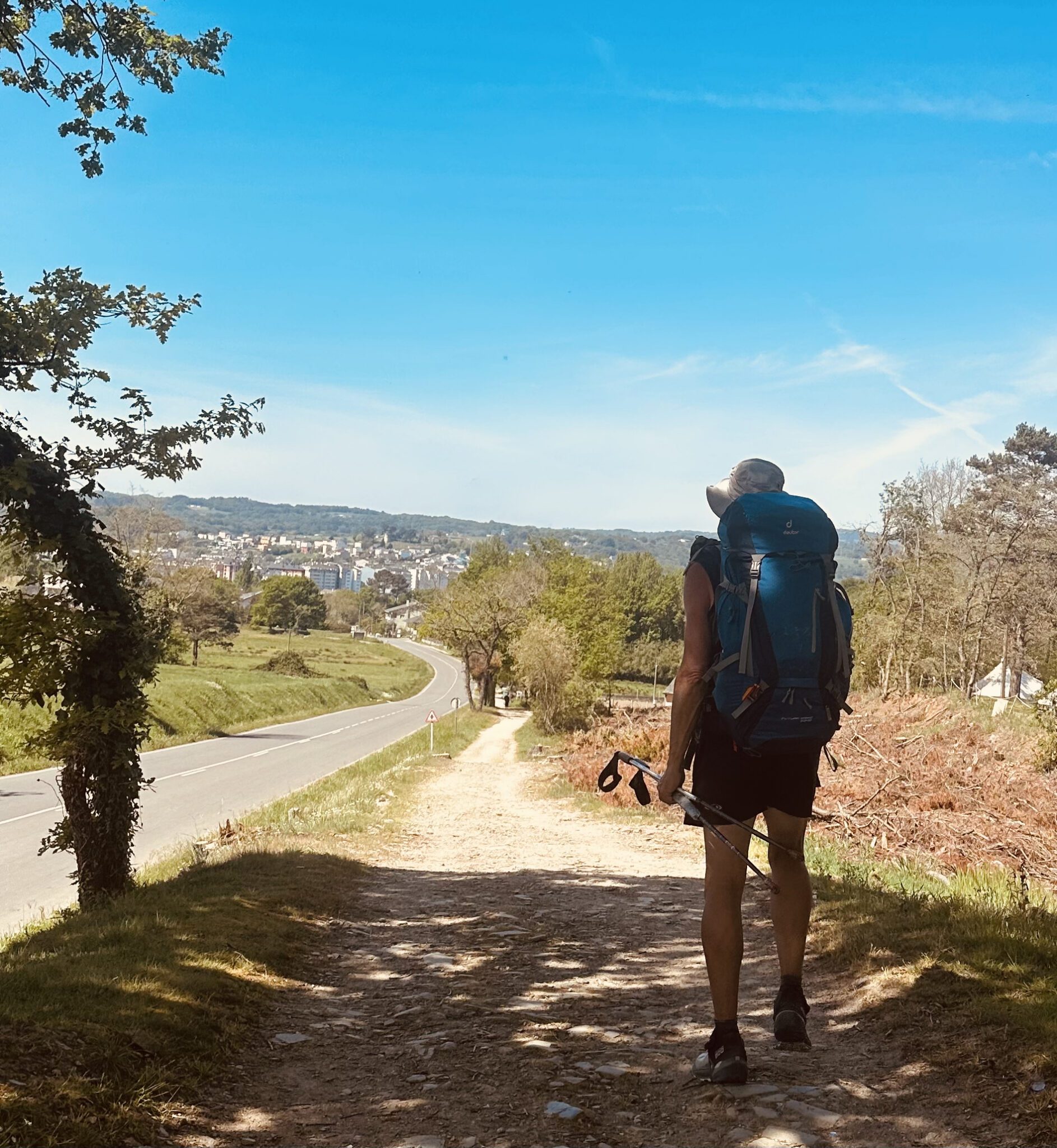

After the quieter days before, it can be a bit of a shock, but there is also genuine excitement in the air and a surge of energy that carries people all the way to Santiago.
Sarria is a proper town of over 10,000 people, with supermarkets, banks, pharmacies, gear shops, and plenty of places to eat. Cross the river and follow the yellow arrows uphill; the atmosphere shifts quietly from workaday town to something older and more storied. A short climb and a flight of steps bring you out onto Rúa Maior, the heart of Sarria’s pilgrim quarter, a gently sloping street threading through the old town, lined with albergues. In the evening, head back down to the riverside where you will find lots more restaurants.
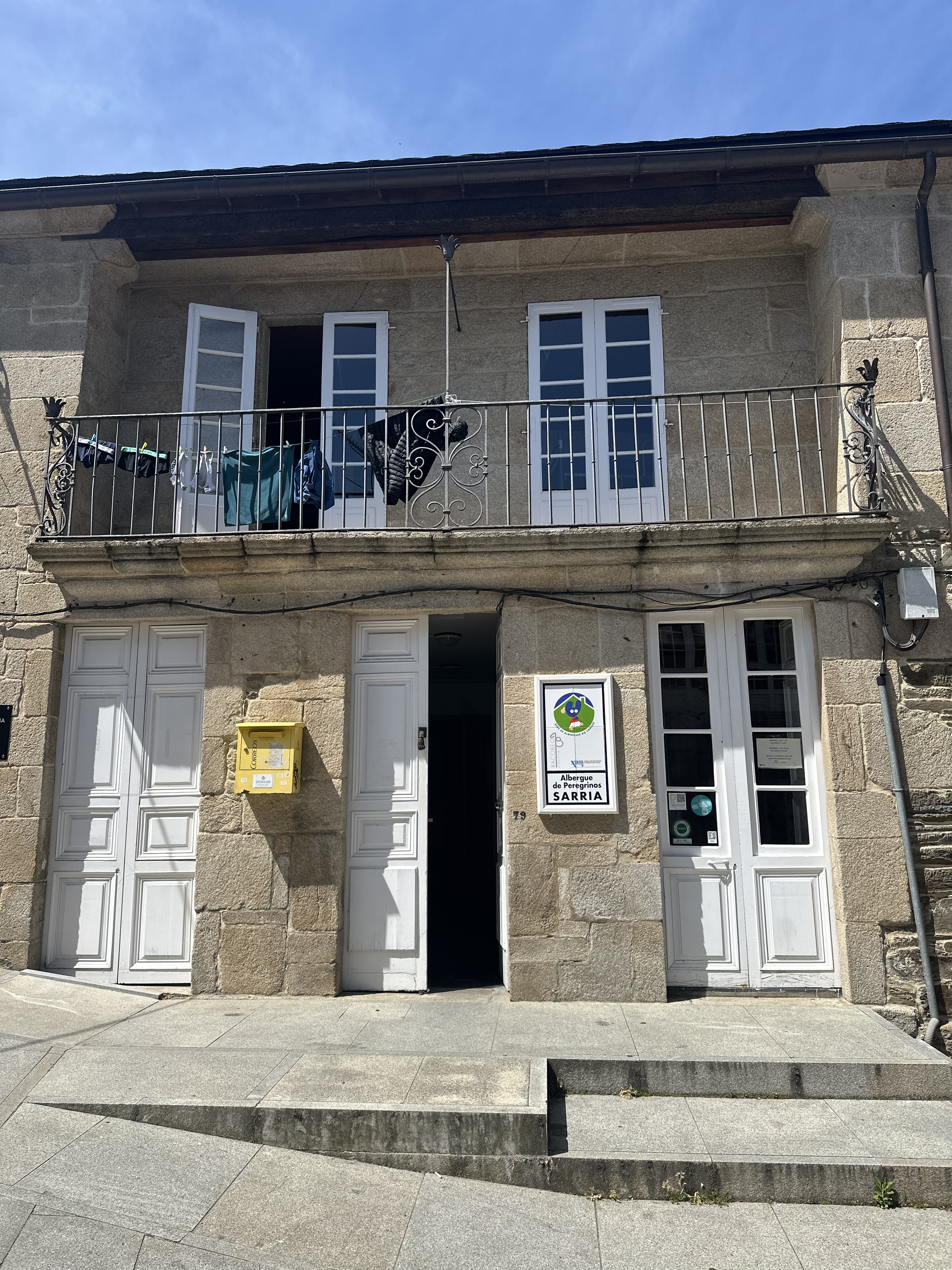
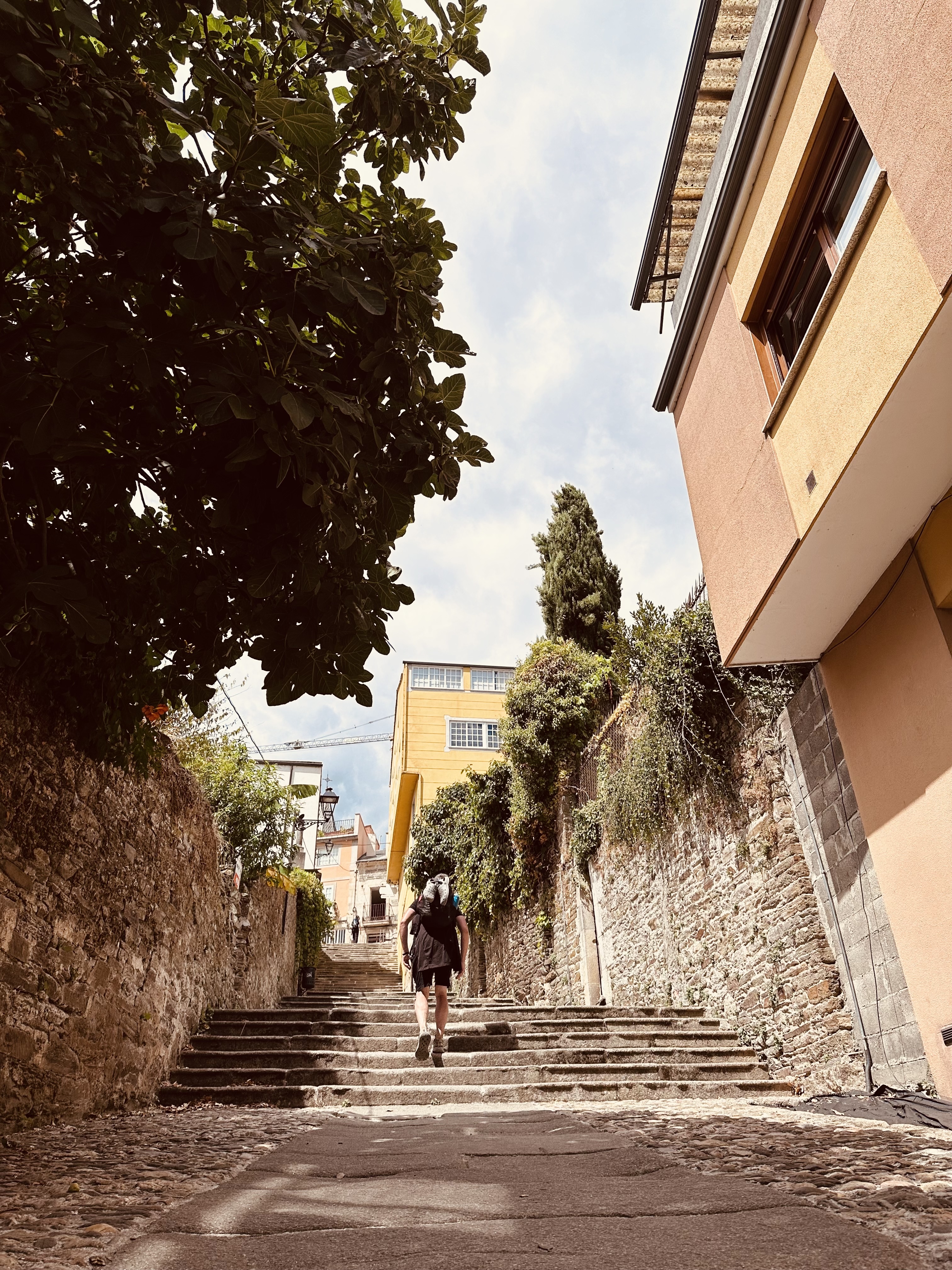
There is no shortage of beds in Sarria. There’s a decent-sized municipal albergue with around 40 beds, another 100 at the Monasterio de la Magdalena, and then a couple of dozen smaller private albergues scattered around the old town. One I really liked is Albergue La Casona de Sarria. It’s set in a beautiful old stone house with a garden out the back overlooking a stream, and it keeps that cosy, village-style feel that you sometimes lose in bigger towns. They also do a seriously good breakfast.


Thank you very much for these information. My husband and I are planning our first Camino walk from Sarria in June 2026. Would greatly appreciate if you are able to post more info from Sarria.