
Your Guide to the Alternative Variants on the Camino Francés

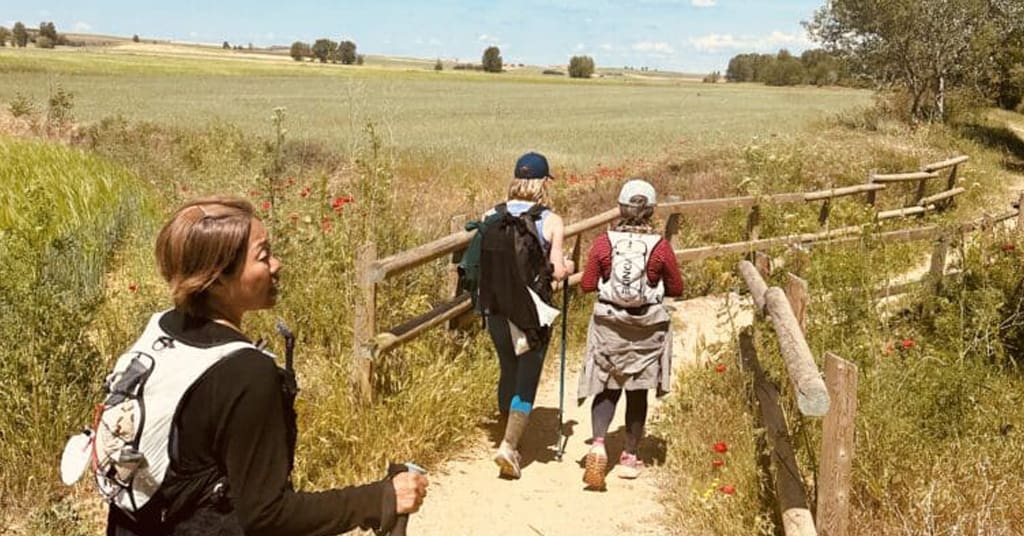
Navigating the Camino Francés can be very simple; just follow the yellow arrows and stay on the track all the way to Santiago. However, along the way, there are plenty of alternative paths that branch off the main route before rejoining it later. Sometimes they’re signposted, sometimes not. These variants often add a few extra kilometres to your day, but I think they’re almost always worth taking. They’re usually quieter, more scenic, and often lead you to fascinating places you’d never see if you stayed on the main path.
I’ve listed 18 of them below, and I’ve been lucky enough to walk most myself. I’ve added maps for some, but they’re all easy to find on Gronze and the Camino apps. I’ve also included approximate kilometre markers from Santiago showing where each branch off the main route, so it’s easier for you to find them.
At the end, I’ve also included one of my own, a variant that connects the monastery at Samos with the Camino Invierno. I’d encourage you to find your own, too. The aim might be to get to Santiago, but you don’t have to stick rigidly to the official route all the time.
One of the best things about the Camino is that it’s not set in stone. The yellow arrows will get you there, but sometimes the most memorable moments happen when you wander a little off the main path. 💛

1. The Valcarlos Route
~ 767 km from Santiago
Right out of the gate, as you leave Saint Jean, you are faced with your first big choice: do you take the famous Napoleon Route over the mountains to Roncesvalles or follow the alternative route through Valcarlos?
The Valcarlos Route (which I haven’t walked yet) is about the same length as the Napoleon but is considered a little less demanding, with more road sections. It’s often thought of as the “backup” when the Napoleon is closed in winter, but from everything I’ve heard, that reputation doesn’t do it justice, as it’s a beautiful and scenic walk in its own right.
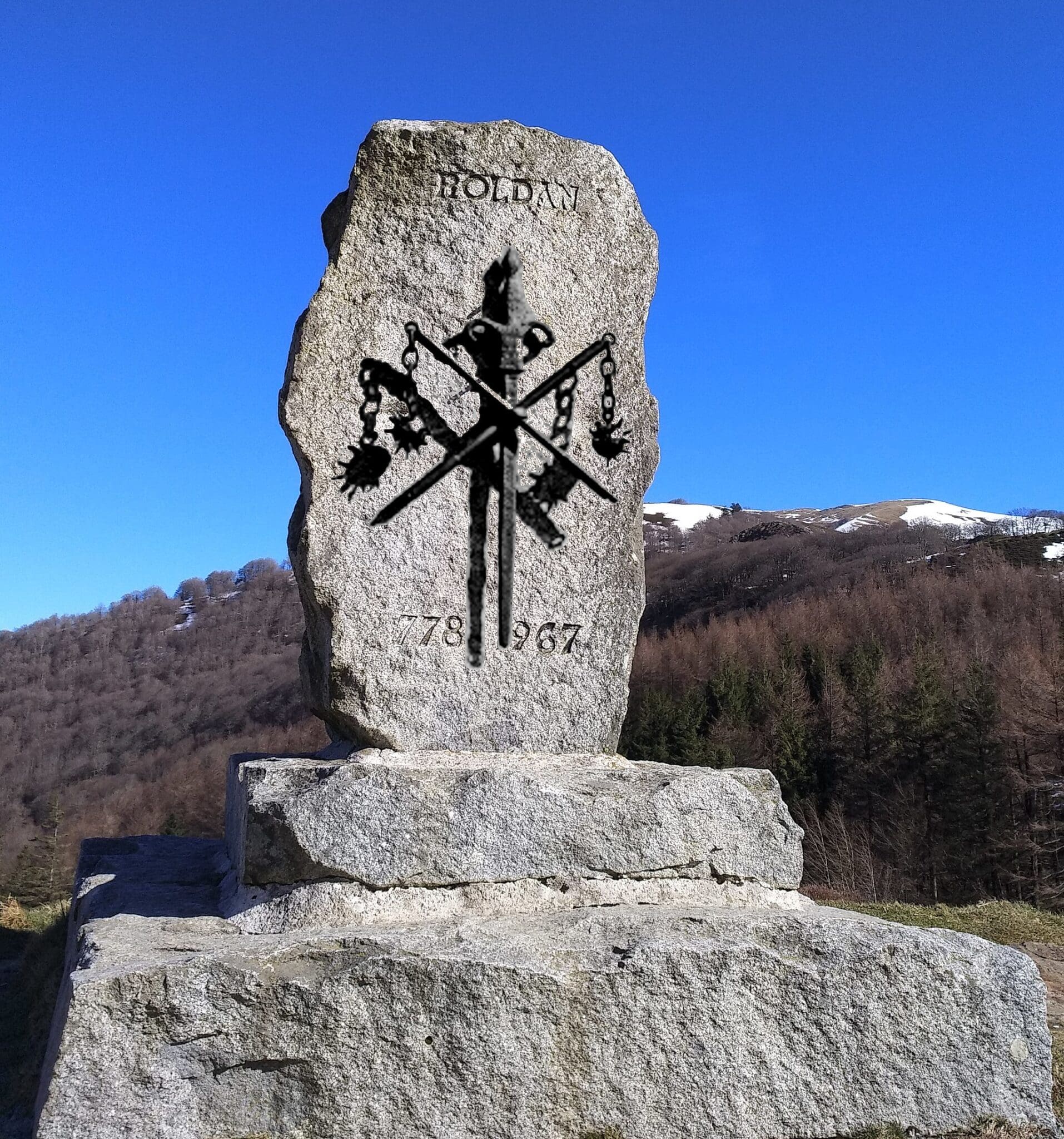
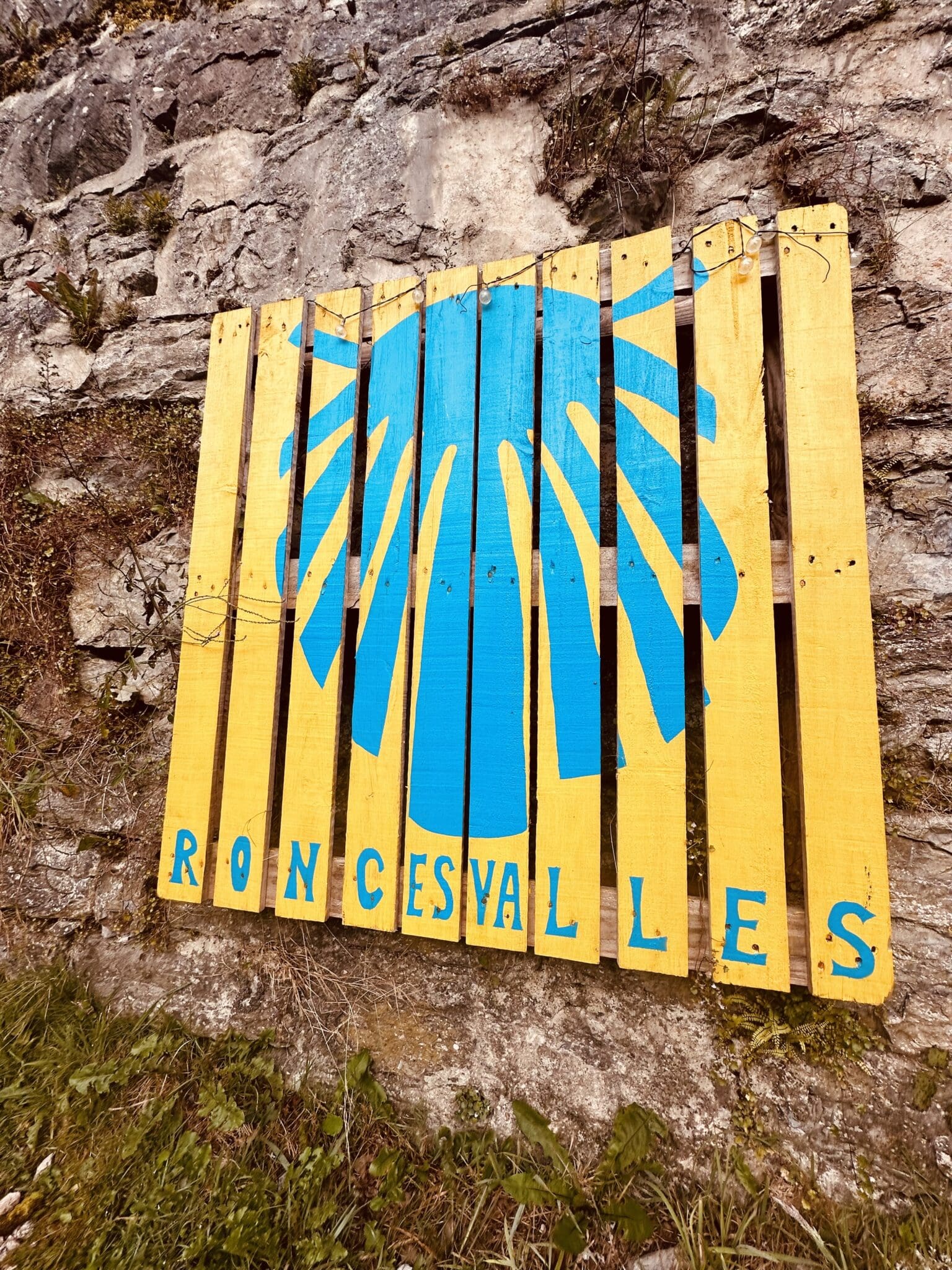
It is roughly 13 km to Valcarlos, partly along busier roads, before you tackle the climb up to Roncesvalles. Here are a couple of reasons you might choose it:
- If you want to split the stage into two days, Valcarlos has an albergue and makes a great overnight stop, especially if Orisson and Borda on the Napoleon Route are full
- From a historical perspective, this is where the Battle of Roncevaux Pass took place and where Roland fell. You will even pass a striking statue along the way
The road sections are not everyone’s favourite, but if you are looking for a less strenuous yet still challenging way to reach Roncesvalles, or you just fancy trying something different, the Valcarlos Route is well worth considering.
2. Zabaldika
~708 km from Santiago
This is the shortest detour on the list, just a couple of minutes off the main Camino, but absolutely worth it. In the tiny hamlet of Zabaldika, about a kilometre after Irotz as you head towards Pamplona, you will see a sign pointing right for the Church of San Esteban. It is very easy to miss; I walked straight past it on my first two attempts.
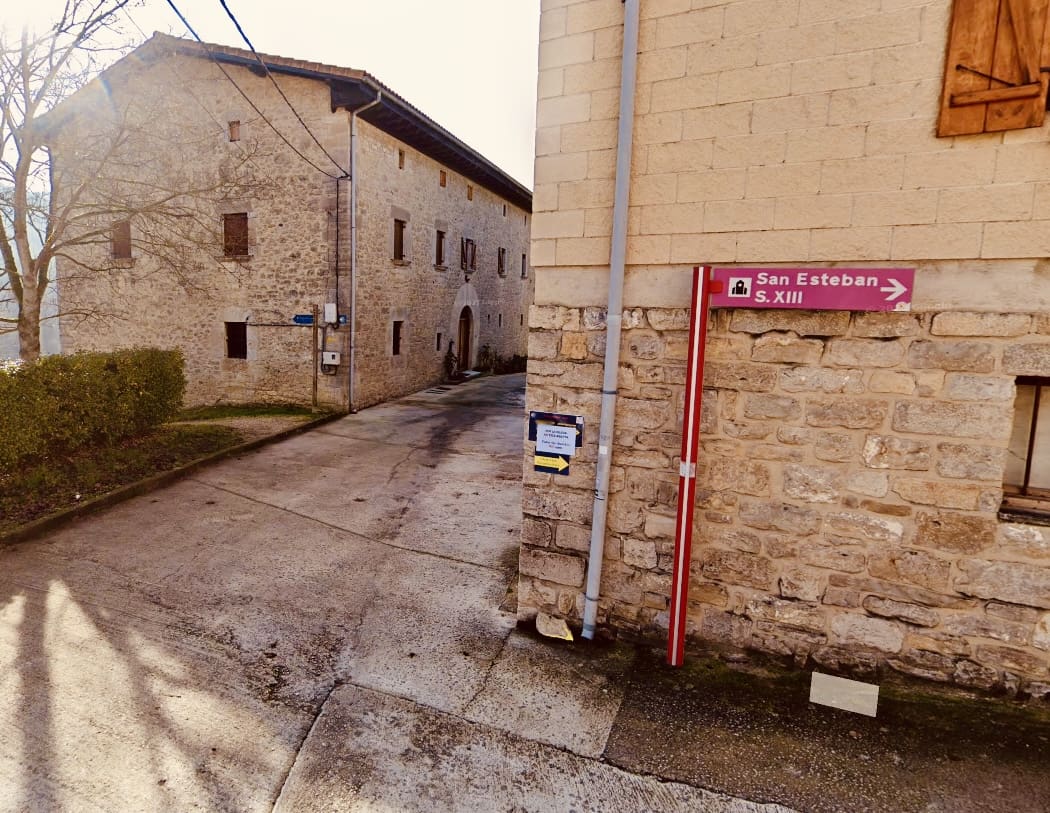

Follow the sign up a small path, cross a road, then take another path up a short hill, and you will arrive at the 13th-century Church of San Esteban and the small Albergue Parroquial de Zabaldika, cared for by volunteers from the Sisters of the Sacred Heart. Inside the church, you will find a peaceful centuries-old space, and if you are lucky, you might be invited to climb the medieval bell tower and ring the bell yourself.
It is a lovely, quiet stop, sometimes with tea or water on offer, and the little albergue here is full of charm. Whether you stay the night or just pause for a moment, it is a great place to rest and reflect before carrying on to Pamplona.
3. Pamplona River Walk
~703 km from Santiago
I quite like the official walk into Pamplona. It feels like you are in the forest almost the whole way until you reach the bridge at La Trinidad de Arre. From there it is still about five kilometres to the old city, mostly on city streets, but at least not through the dull industrial areas you get in some other towns.


However, if you want to avoid street walking altogether, you can follow the Arga River all the way to the Magdalena Bridge to enter the old city. This route I believe is called the Variante del paseo fluvial del río Arga.
From the bridge at La Trinidad de Arre, just follow the river instead of the yellow arrows. It is not marked, but it is easy to follow, a shady riverside path used by walkers and cyclists that winds its way to the Magdalena Bridge, where you rejoin the Camino. The riverside route is about 4.9 km, all on tarmac, so it feels like road walking but without the traffic. It will add a little distance to your day because the river meanders while the street route is more or less in a straight line.
Tip – if you take the river route, you should still cross the bridge at Arre first to visit the lovely church on the right, then come back and start along the river.
4. Church of Eunate
~687 km from Santiago
After you come down from Alto del Perdón and pass through Uterga, you will soon reach Muruzábal. This is where you can take the detour to the Church of Santa María de Eunate, and I really recommend you do. It is one of the most iconic spots on the Camino, and I am always surprised by how quiet this path is.

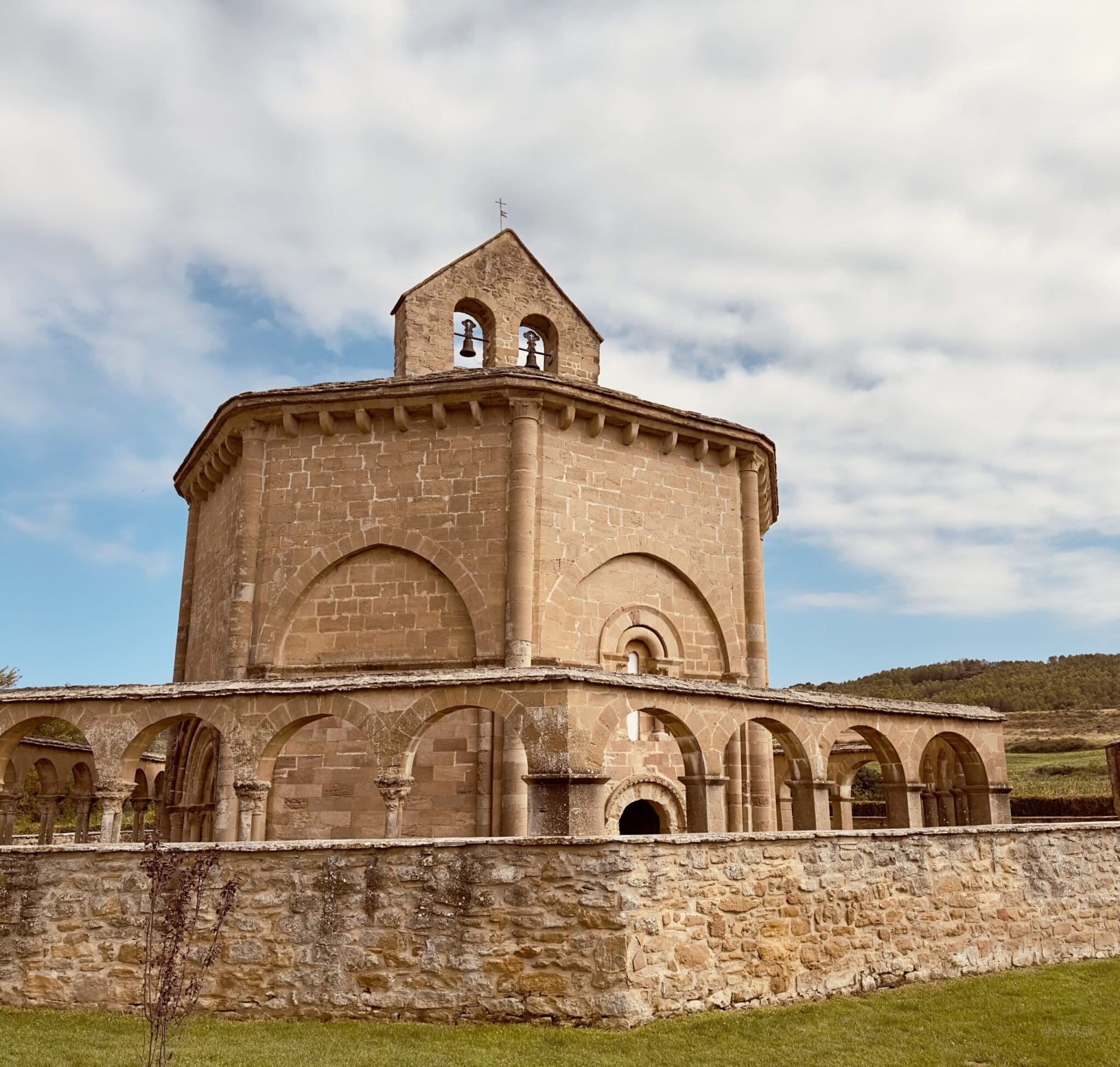
As you are leaving Muruzábal, look for the sign pointing left. The main Camino keeps going straight to Obanos, but for Eunate you turn left here.
The walk is about 2 km, peaceful and rural, with open fields and vineyards all around. It is flat and easy to follow, and before long, you will see the octagonal church standing alone in the middle of the landscape. Built in the twelfth century and surrounded by a beautiful arcaded cloister, Eunate has a mysterious charm. Nobody really knows why it was built here; it might have been a church, a pilgrim hospice, or even something linked to the Knights Templar.
From Eunate, it is another gentle 2 km walk to Obanos, where you rejoin the main Camino Francés and continue on towards Puente la Reina.
5. Variante de Montejurra – Part 1
~669 km from Santiago
Next is the Variante de Montejurra, which actually comes in two parts. The first section leaves the official Camino at Villatuerta and swings you around the city of Estella. At the church in Villatuerta, instead of walking straight past and following the main path, take a left. From here, the route is quiet and charming, mostly along small country lanes and paths.
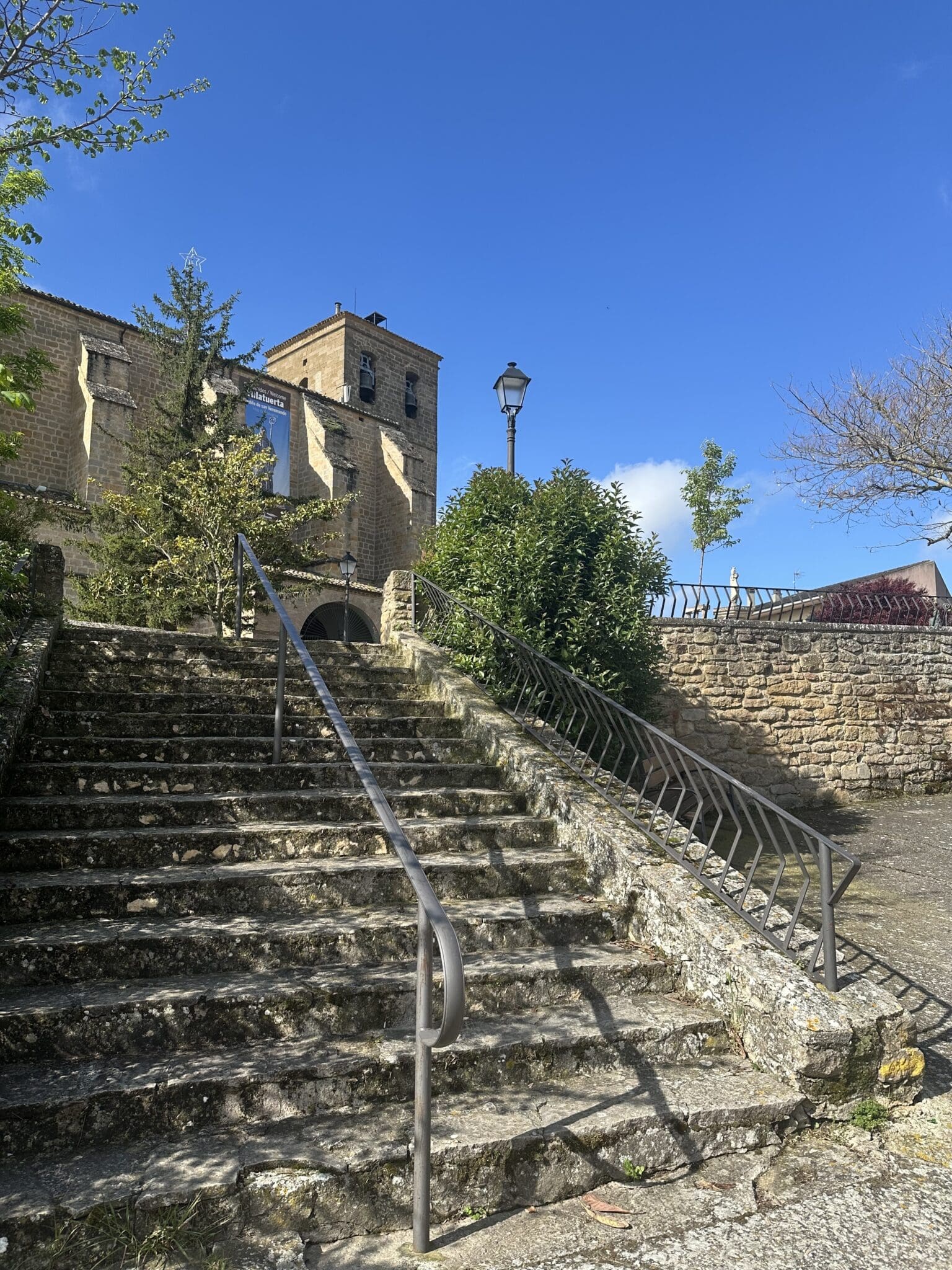
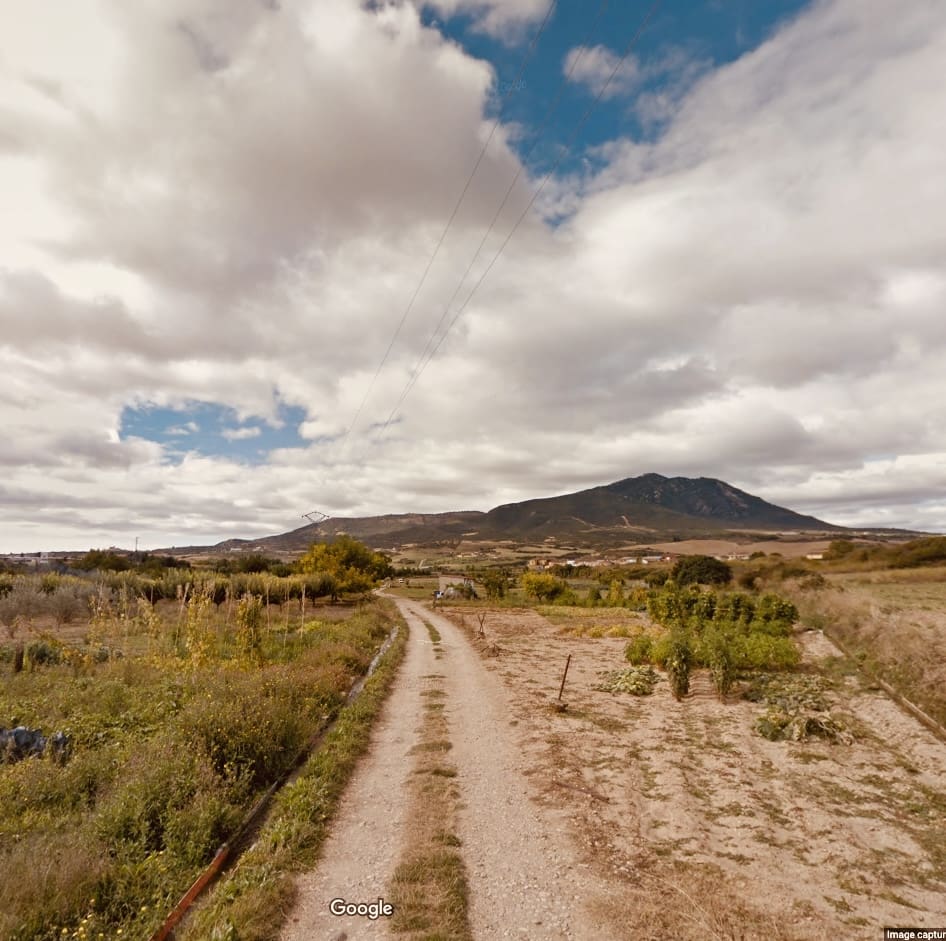
The trade-off is that you’ll miss Estella, with its beautiful churches, rich history, buzzing cafés, and riverside setting. For me, that’s a big loss, so I’m not sure I’d take this route unless you’ve been to Estella before or really want to avoid the city.
If you carry on with the Variante de Montejurra but still want to visit Irache and its famous wine fountain, you’ll need to backtrack a little. You can also hike up Montejurra itself for epic panoramic views over the valley below, a bit of a climb, but worth it if the weather’s clear.
5. Variante de Montejurra – Part 2
~650 km from Santiago
If you skipped the first part of the Variante de Montejurra (which I probably would, because Estella is a magical town you really should not miss), you can still join the second part just after the famous wine fountain in Irache. Once you pass the wine fountain, the path climbs gently for about a kilometre until you reach a signpost. The official Camino turns right toward Villamayor de Monjardín, a stunning hilltop village that is well worth a visit. The other option is to turn left and pick up the Variante de Montejurra and head to Luquin.
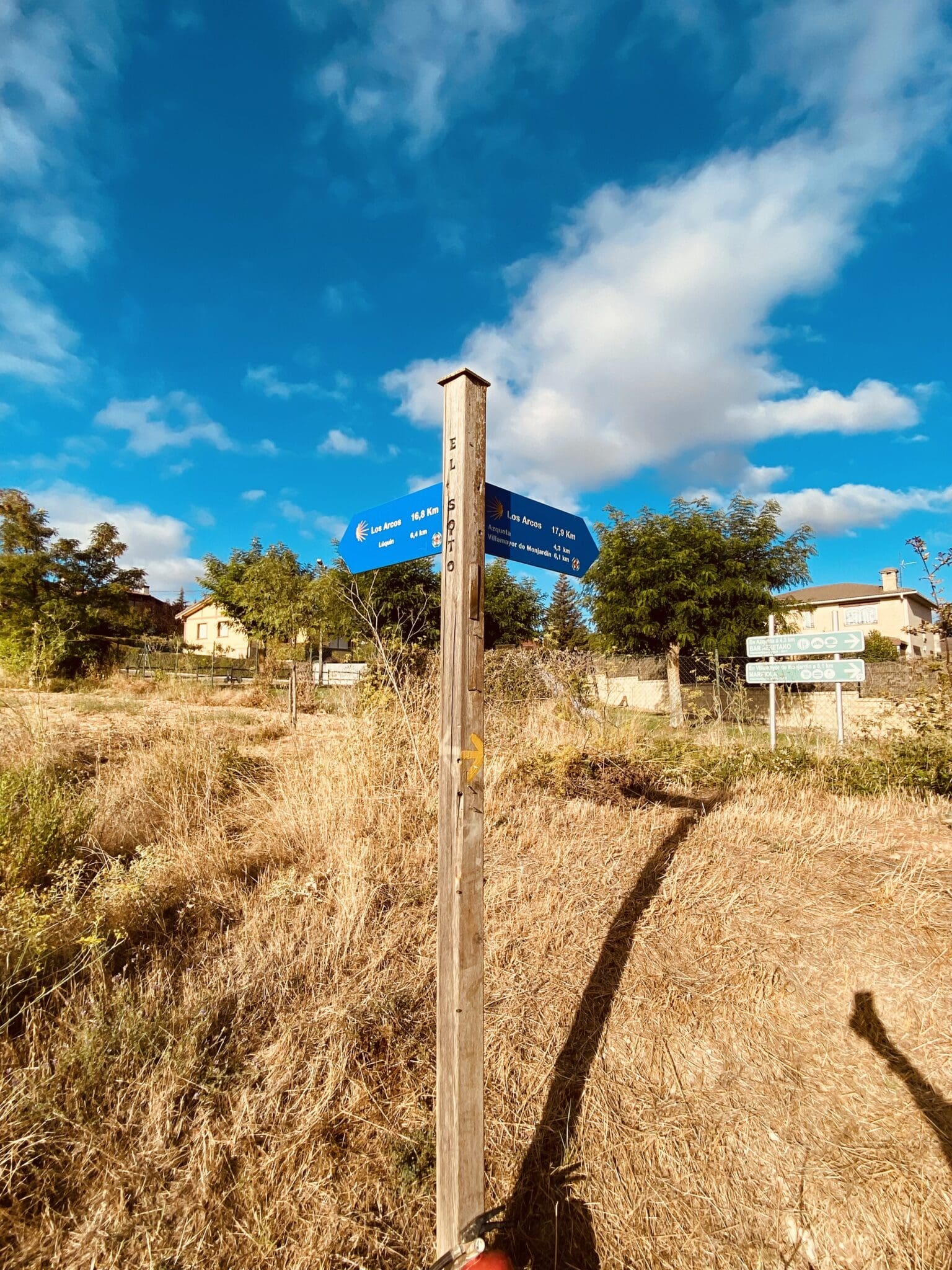

This path winds mostly through quiet woodland, and the last time I walked it, I did not see another soul. After about 5 km, you will reach Luquin, a tiny village I am very fond of. There is just one albergue here (Casa Tiago), a little café, and a public swimming pool that opens in summer. I loved staying in Luquin as it felt like stepping off the Camino for a night and just sinking into the charm of a regular Spanish village.
6. Camino Real to Monasteries of Yuso & Suso in San Millan de la Cogolla
~577 km from Santiago
The next detour takes you to San Millán de la Cogolla, home to the UNESCO-listed monasteries of Yuso and Suso and known as the cradle of the Spanish language. The earliest written words in Castilian and Basque were found here, and the monasteries are just as impressive in person. Suso, perched quietly on the hillside, with its simple stone arches, and Yuso, in the valley, with grand halls, intricate choir stalls, frescoes, and ancient manuscripts.
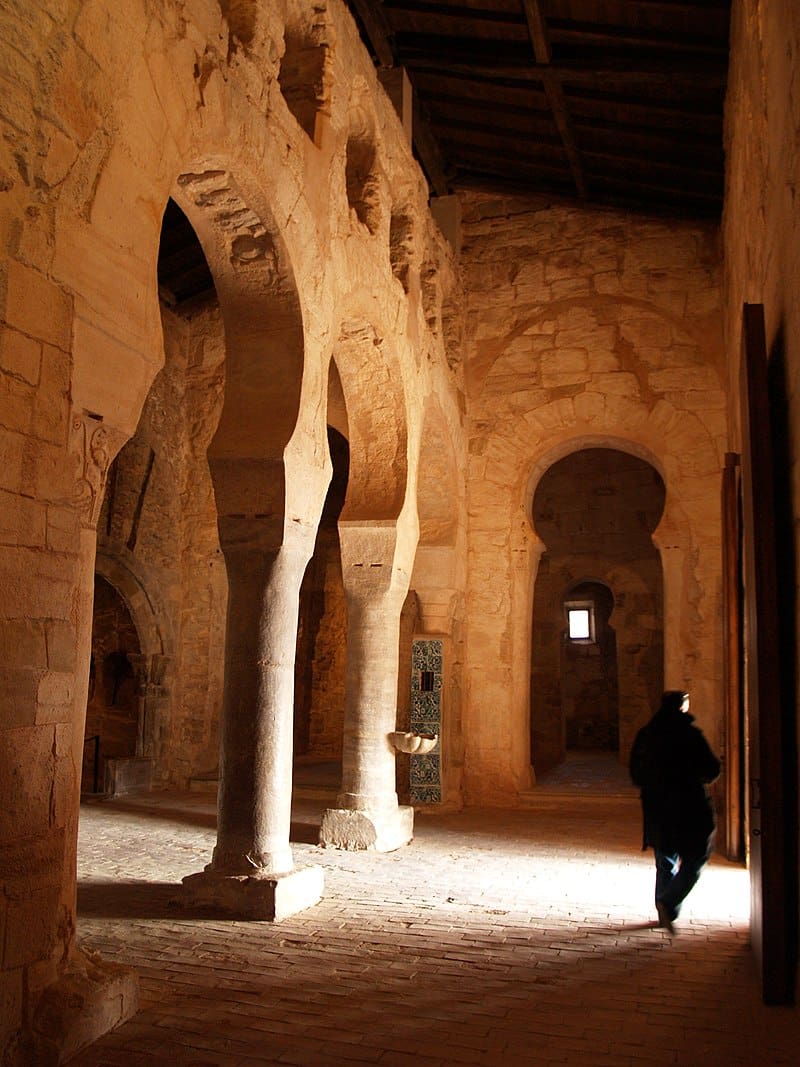
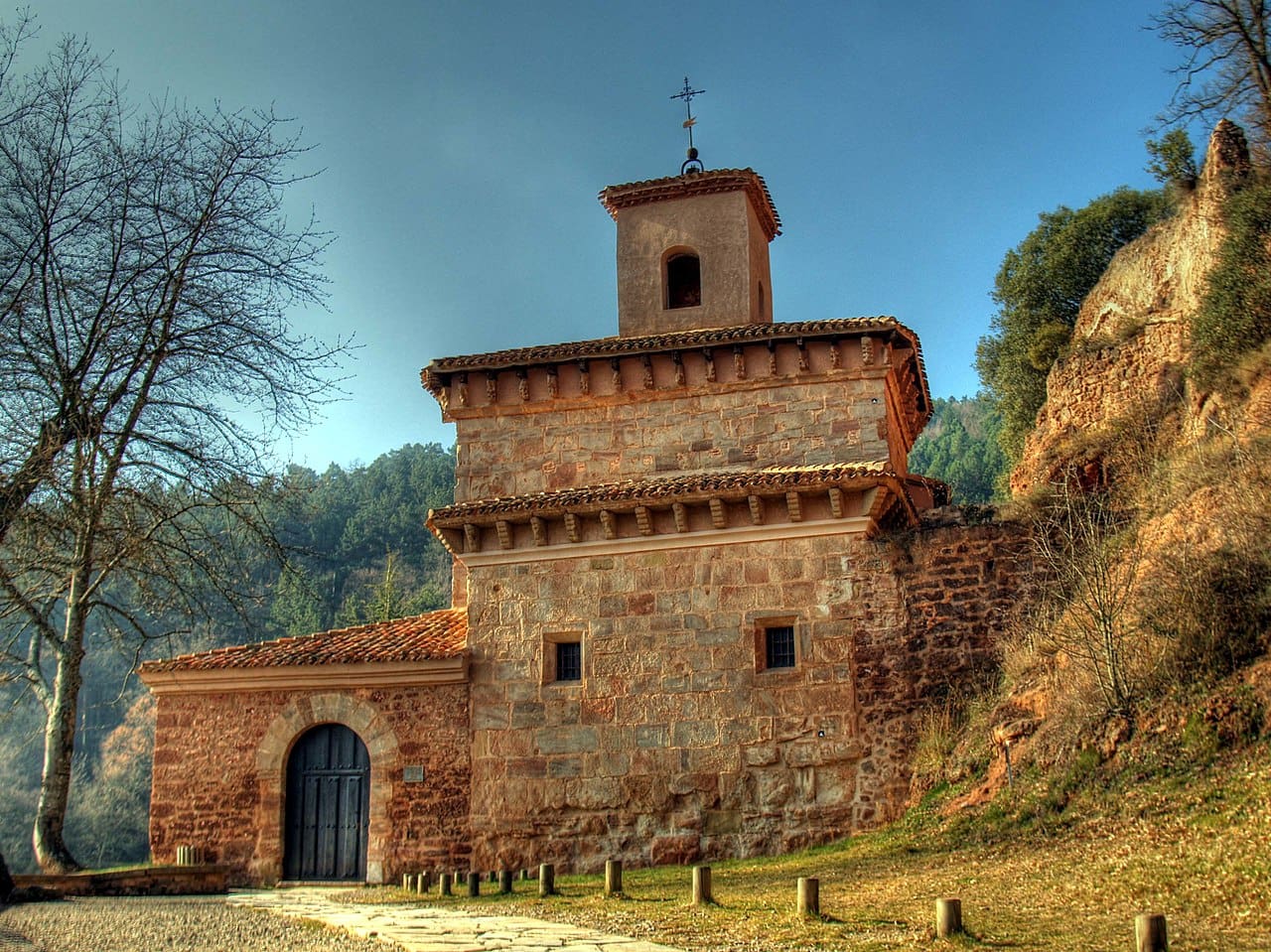
The walk from Nájera follows the old Camino Real route and takes most of the day each way, along quiet rural roads and tracks with little shade. It’s not well signposted, so it’s best for experienced walkers with a GPS. You could also consider taking a rest day in Nájera and getting a bus or taxi here, giving you plenty of time to explore without rushing.
8. Ventosa
~587 km from Santiago
Not long after leaving Navarrete, the Camino heads out into the countryside. For a few kilometres, you wander through pleasant vineyards, but then the path runs right alongside a road with some traffic for a while, which can get a little tedious.

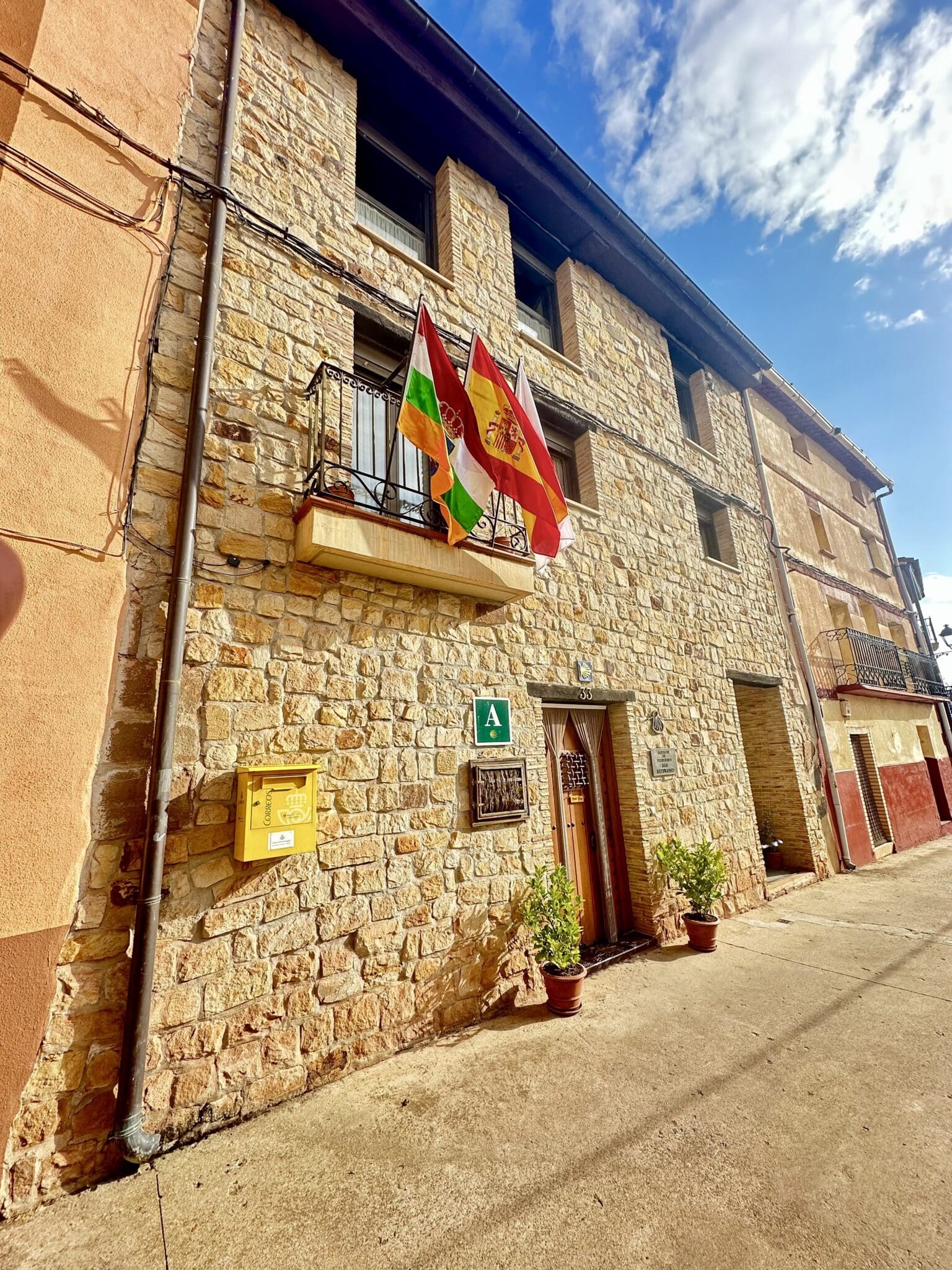
Soon you’ll spot an option to turn left towards the village of Ventosa. It adds about 2 extra kilometres to your day, but it’s totally worth it.
First off, the locals have created a little open-air gallery along the way called “1 km de Arte”, it’s quirky, colourful, and really charming. And Ventosa itself is a lovely spot, with a couple of nice cafés and a fantastic albergue called San Saturnino. From the church (it’s a short climb up), you’ll get wonderful views over the valley below.
A small detour, but definitely one worth making.
9. River walk into Burgos
~495 km from Santiago
This is probably the most famous detour on the Camino, the one that skips the long, ugly trudge through the industrial outskirts of Burgos. Honestly, I’ve no idea why they don’t just make this the official route. It’s not the most jaw-dropping scenery you’ll see on the Camino, but it keeps you off the boring industrial roads and gives you a much nicer way in.
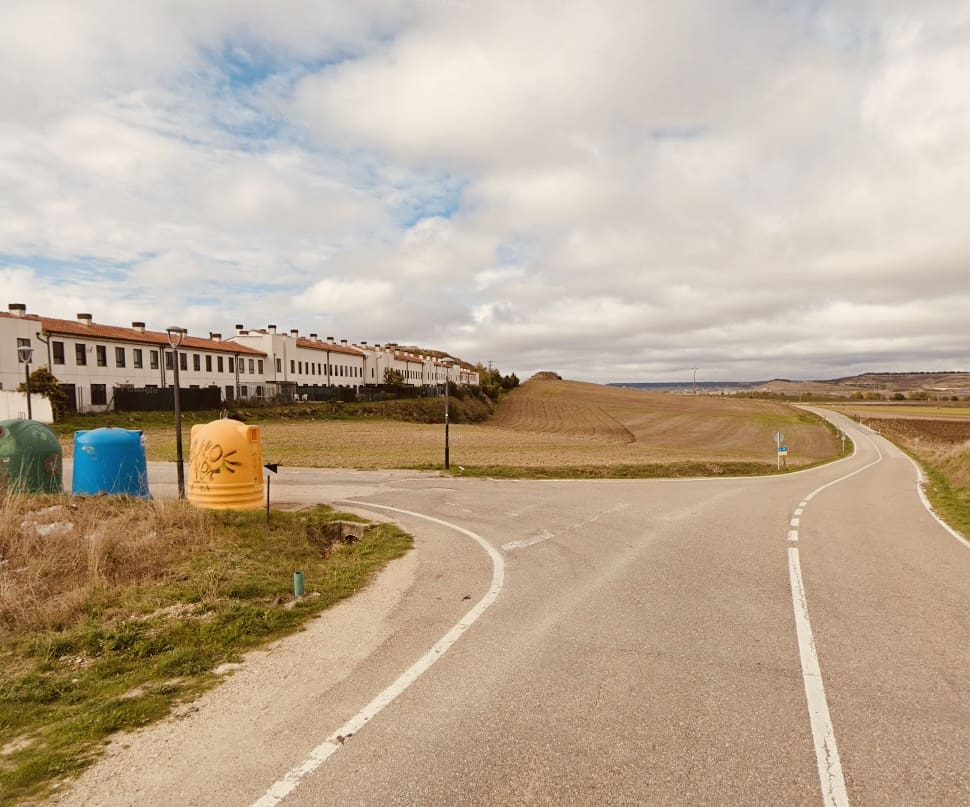
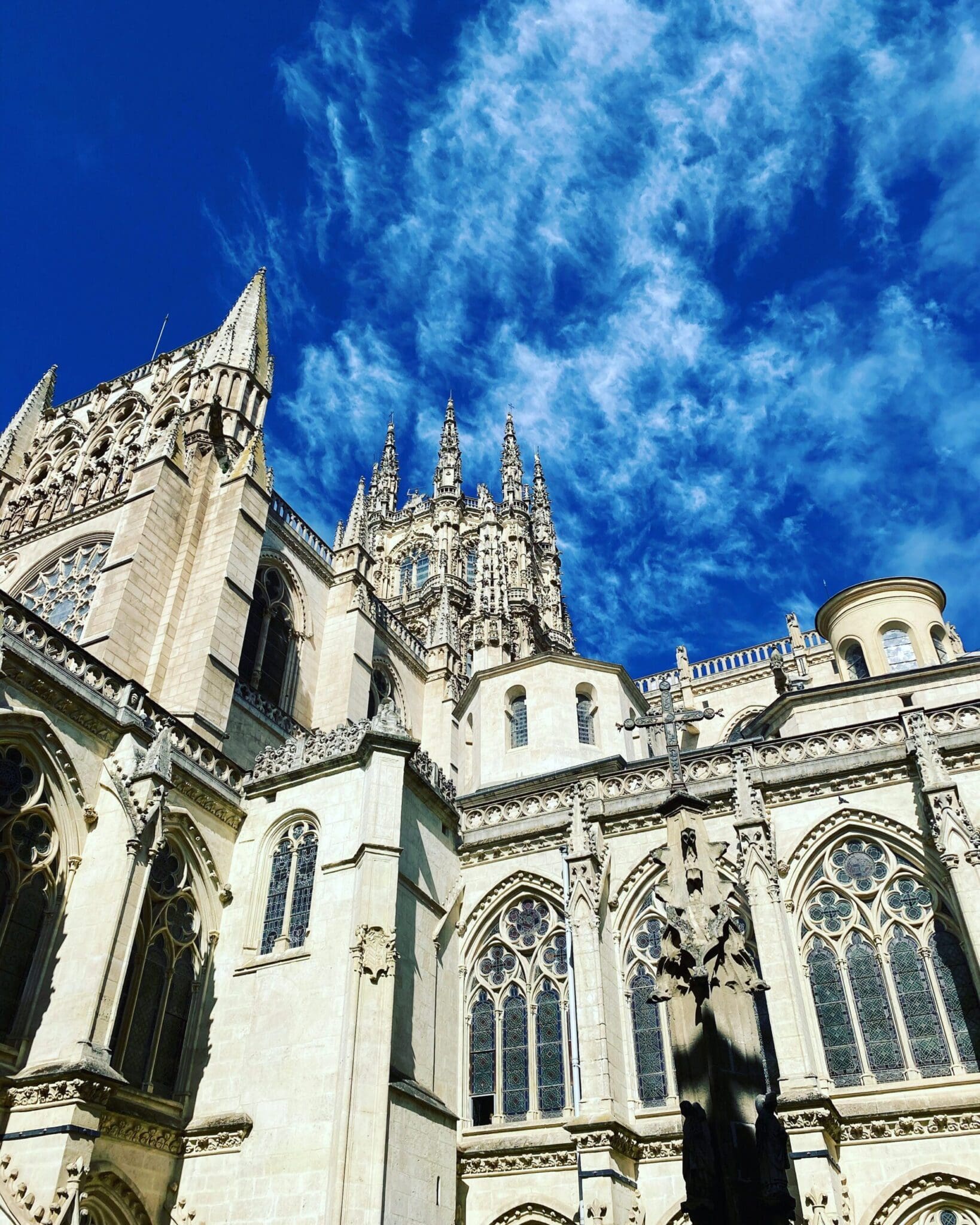
The path swings around the back of the airport, then takes you through green parks and along the river for about 10 km, until the spires of Burgos slowly come into view.
It’s still not signposted as of 2024 so the turn off is easily missed. The easiest way to describe it is this: after you pass through the village of Villafría, cross the bridge on your left, pass a small cluster of houses, then take another left. From there, follow the path around the airport, keeping an eye out for tracks leading you towards the river.
10. River walk into Villalcazar
~417 km from Santiago
Just after Frómista, you can skip the boring straight stretch by the road and follow a quieter riverside path. Instead of going straight, veer right toward Población de Campos and pick the Variante por Villoviecoup, which follows the Uzieza river.
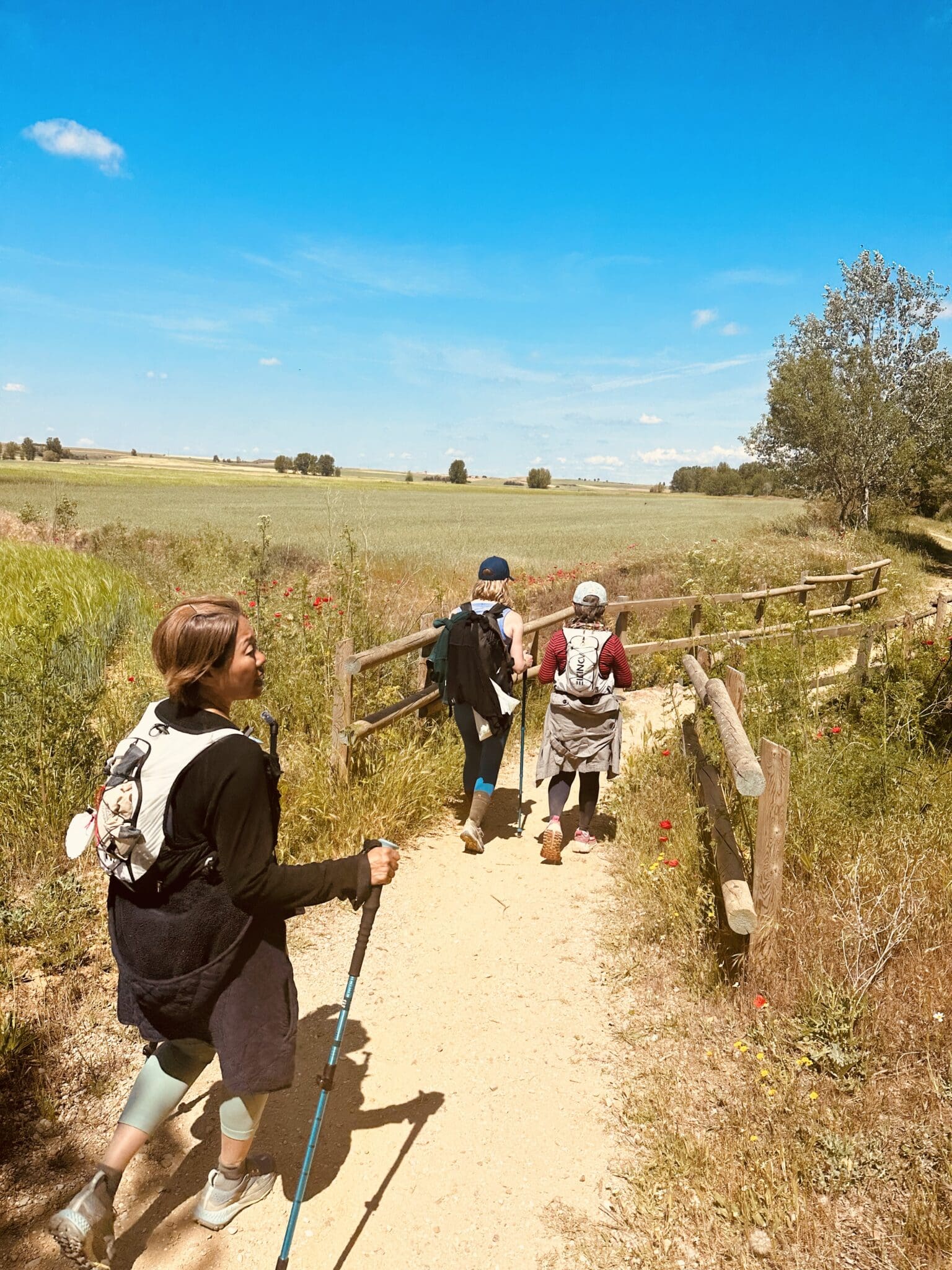

It winds through fields and shady spots, passing little villages like Villovieco, before rejoining the main Camino near Villalcázar de Sirga. It adds a kilometre or two, but it’s far more peaceful than the roadside track.
11. Old Roman Road
~365.5 km from Santiago
After leaving Sahagún, you will come to a sign where the Camino splits. Left keeps you on the official route, which is fine, but it can get a bit monotonous. Right takes you onto the Vía Trajana, the older Roman path, and into the small village of Calzada del Coto.


This route is quieter, more remote, and has a rustic feel from the start. The track can be rough in places, and services are scarce, but that’s part of the charm. Calzadilla de los Hermanillos is the only real stop along the way, with a small café that serves a good breakfast and a couple of albergues if you want to break the stage.
From there, you are on the old Roman road all the way to Reliegos. It is about 18 km of straight, open walking with no shade or services, so on a hot day it can be a real test. You are trading a road with the occasional car for a track with absolutely no traffic, just long views and a real sense of history.
It is tough going, but if you are looking for solitude and a taste of what the Camino might have felt like centuries ago, this is the way to go.
12. Oncina de la Valdoncina
~300 km from Santiago
About 7 km after leaving León, just past La Virgen del Camino, the Camino splits. Both routes meet again at Hospital de Órbigo. The main route sticks beside a busy road, while the alternative cuts through open countryside. Take the alternative. It’s so much nicer, and I’ve no idea why it’s not the official way, except that the road route has a few well-known albergues.

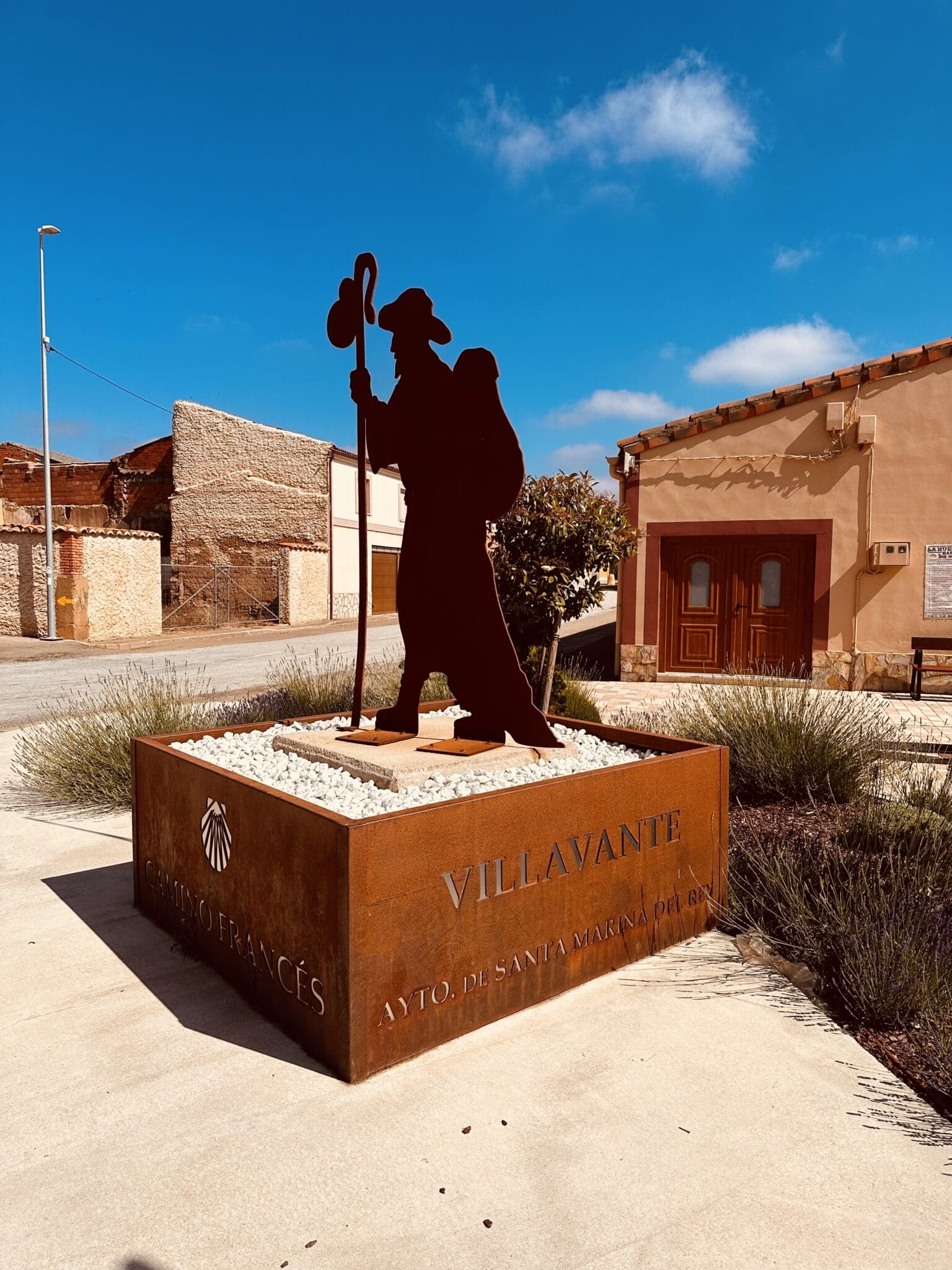
Watch for the sign and take a left toward Oncina de la Valdoncina. The small road is quiet, lined with flat farmland and the odd tree, and you might not see another pilgrim. Oncina is tiny, with a church, a few houses, a water fountain, and not much else. There’s a friendly little place to stay here, Albergue El Pajar de Oncina, if you want to break the day.
From Oncina, it’s about 10 km of peaceful country walking to Villar de Mazarife, another sleepy village that somehow feels welcoming. I stayed at Albergue Jesús, which has a pool, hammocks, and a lovely courtyard. The family invited me to dinner, and I was the only pilgrim there, one of those unexpected Camino moments.Carry on another 5 km to Villavante, where you’ll find Albergue Santa Lucía. I only stopped for lunch, but the food was excellent. A few more kilometres and you rejoin the main Camino at Hospital de Órbigo, having skipped the road and traded it for a day of quiet fields and small villages.
13. Villafranca
~185 km from Santiago
Shortly after leaving Cacabelos, there’s a lovely alternative that takes you off the main road and winds through the vineyards. Just before Pieros, watch for the right turn that leads uphill into the vines. The alternative is well marked these days, and the climb is gentle. Almost straight away, you are walking between rows of grapes with the mountains as a backdrop.


It is quiet here with hardly any traffic or other walkers. In autumn, the vines hang heavy with fruit, and the leaves turn deep red and gold. You pass through the hamlet of Valtuille de Arriba, which is a bit run-down but has a wonderful little albergue and feels like the kind of place that will only get nicer as more pilgrims discover it.
After Valtuille the path climbs slightly before dropping gently into Villafranca. You come in past stone walls and small farmhouses before popping out near the centre. It only adds a little time to your day but makes your arrival feel special.
14. Pradela
~173.5 km from Santiago
As you leave Villafranca on the way to O Cebreiro, most pilgrims follow the official route along the valley floor beside the old national road, with the modern highway looming above. The path is separated from traffic by a low wall, but it still feels busy and a bit boxed in. If you are going to take any alternative from my list, make it the Pradela route.
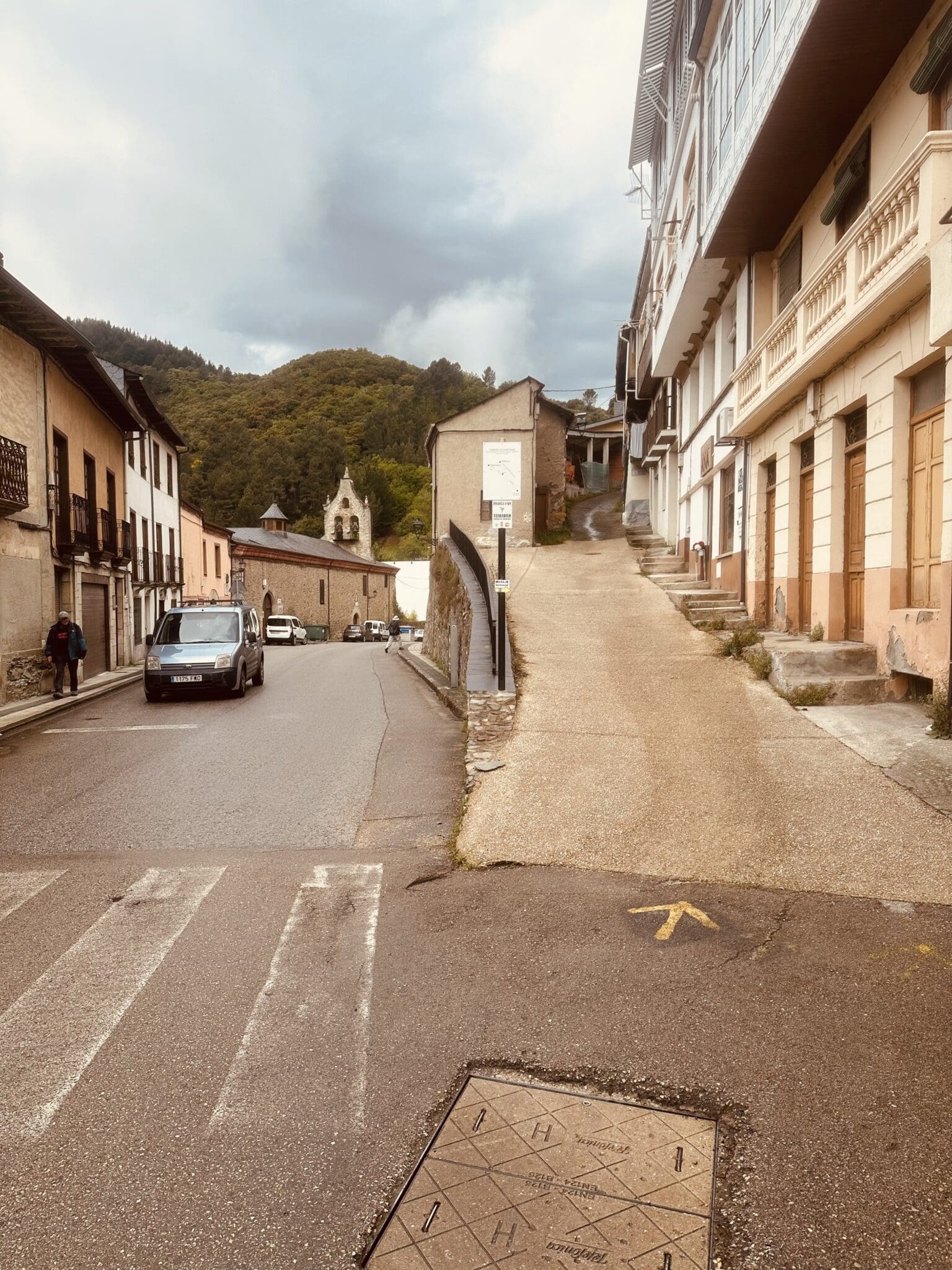

Right after crossing the River Burbia, take an immediate right. The turn is easy to miss and not well signposted, so keep your eyes open. The trail starts with a steep climb but soon levels out into beautiful open countryside. There is only one small hamlet along the way with no services. It adds about a kilometre and a half to the day and involves a 400 metre climb and descent, but the views are worth every step.
There used to be a fantastic spot to stay, Albergue Lama, but sadly, it was closed this year. Hopefully, it reopens next season; it was a real gem. The path remains quiet and peaceful before descending to rejoin the main Camino at Trabadelo. I have no idea why less than five percent of walkers take this way. It is stunning, serene, and far better than trudging beside the road.
15. Dragonte Route
~173.5 km from Santiago
And finally there’s the Dragonte route, a 26 km monster with three big climbs that took me about nine hours to finish. There are no services at all, just a couple of fountains, so make sure you stock up on food and water the night before.


If you skip the Pradela route, take the Dragonte instead. It’s epic and my favourite day on the entire Camino. Of the nearly half a million people who walk each year, fewer than 100 take it on. It’s for the truly adventurous. When I hiked it earlier this year, it felt like a proper hike. I got lost, forded a stream, pulled out my map and compass, and never saw another soul all day. Not even another pilgrim. Here’s my full guide if you’re thinking about it: https://epiccamino.com/the-dragonte-route/
After nine gruelling hours, I finally reached Las Herrerías and called it a day, completely spent but full of pride and a healthy dose of relief. It’s tough, remote, and wild — but if you want a real challenge and one of the most unforgettable days on the Camino, this is it.
16. Samos
~132 km from Santiago
The detour to Samos is one of the most rewarding side trips on the Camino Francés. Instead of taking the shorter, more direct route from Triacastela to Sarria, you can follow the signposted path to the left that leads you through quiet valleys, small hamlets, and lush green hills before arriving at the stunning Monastery of San Xulián de Samos.
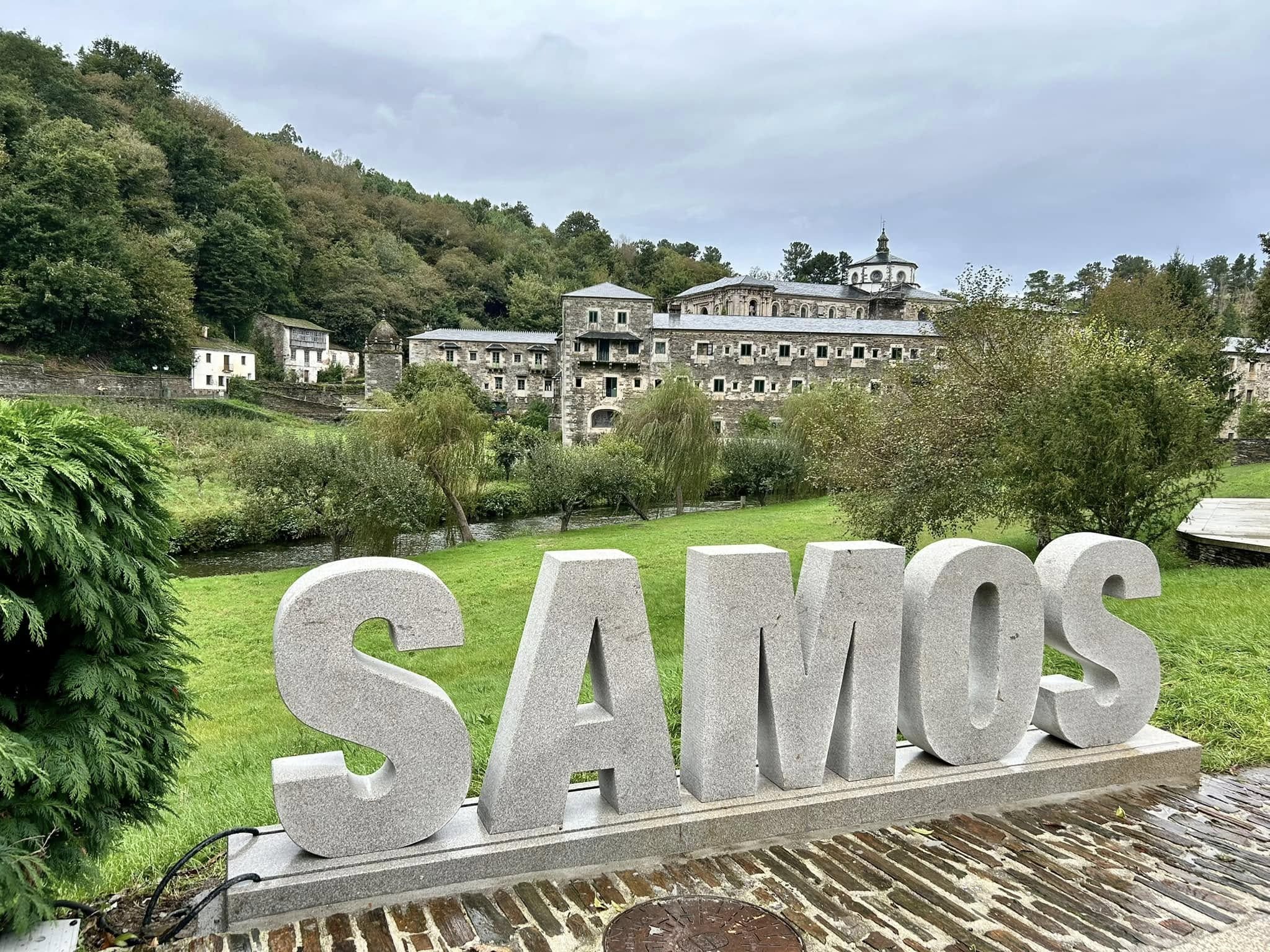
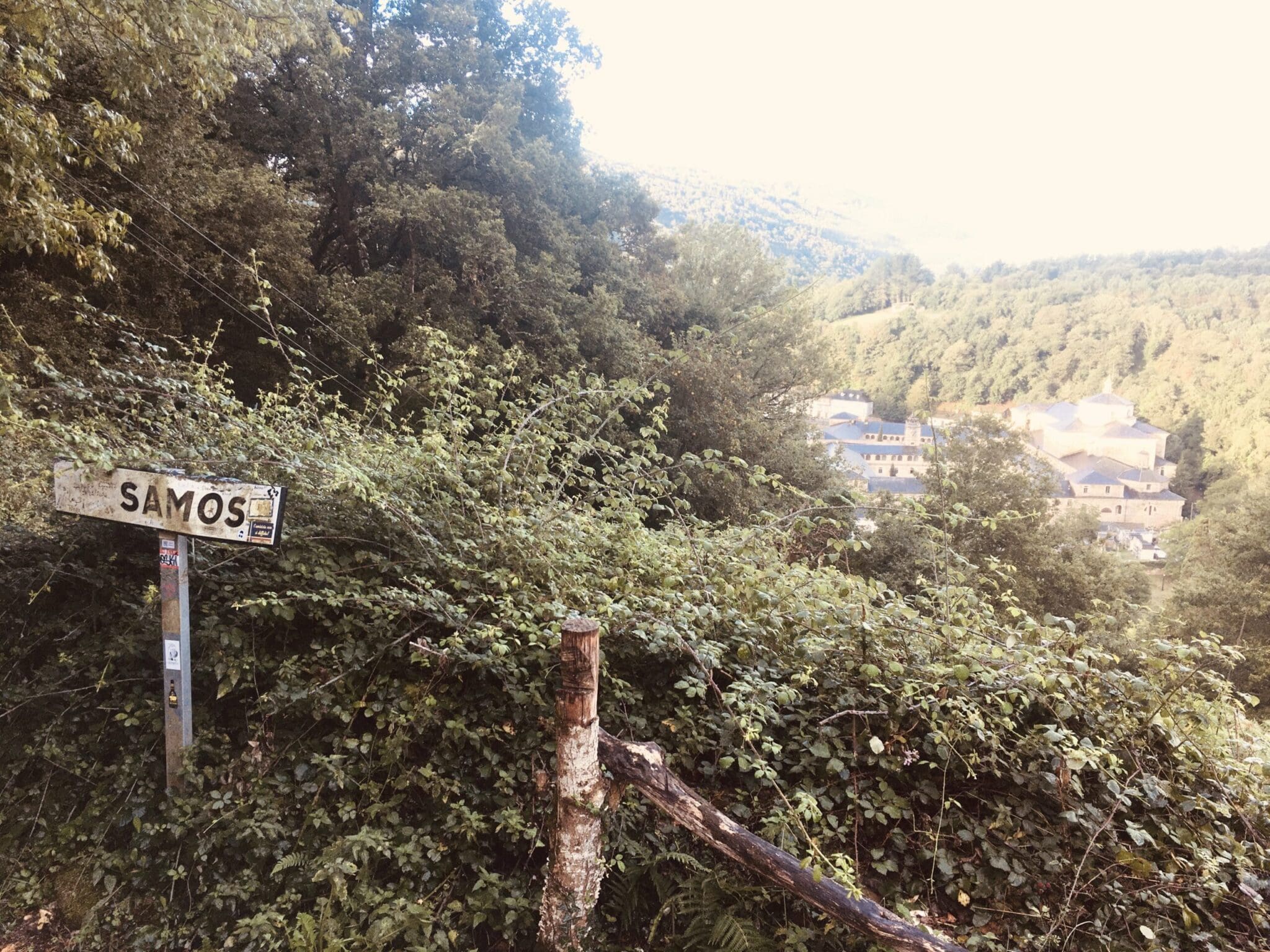
The walk adds about 6 km to the day compared to the main route, so expect it to take roughly 4–5 hours from Triacastela to Samos at an easy pace. The scenery is classic Galicia, narrow country lanes, mossy stone walls, babbling streams, and shaded chestnut groves. It’s peaceful and much less crowded than the main way.
When you reach Samos, the monastery dominates the view. It’s one of the oldest in Spain, with a history stretching back over a thousand years. You can take a guided tour to see its cloisters, church, and frescoes, or just soak up the atmosphere from the outside.
The public albergue here is actually inside part of the monastery complex, which makes for a unique stay. It’s simple and basic, but the experience of sleeping in a centuries-old monastic building more than makes up for it. There are also a few private albergues and guesthouses if you want a bit more comfort.
From Samos, you can rejoin the main Camino at Aguiada, a few kilometres before Sarria, having added a beautiful and memorable chapter to your walk.
17. Detour to Villar de Donas
~70 km from Santiago
The short detour to Villar de Donas is easy to miss if you’re not paying attention, but it’s a gem worth making time for. You’ll find the turn-off about 1.5 km past the hamlet of Ligonde, on the stage between Palas de Rei and Melide. From the Camino, a small country lane leads about 1 km to the quiet village of Vilar de Donas, home to the 13th-century Church of San Salvador.

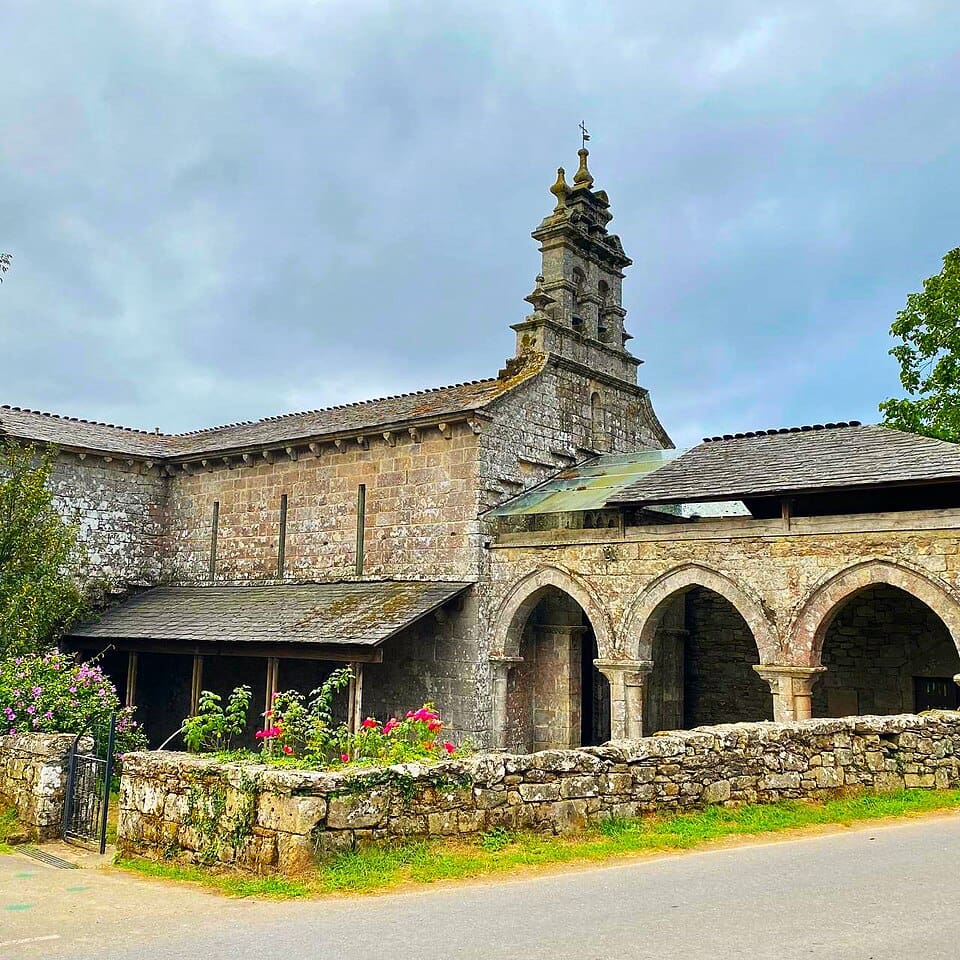
The walk itself is short and gentle, passing through open fields and rural lanes. The church is famous for its well-preserved medieval frescoes and its ties to the Knights of Santiago, some of the knights are buried here, their tombs marked with carved effigies. It’s usually quiet, and if you’re lucky, a local volunteer might open the church for you and share a little of its history.
After your visit, you simply retrace your steps back to the Camino. It’s a detour that adds no more than 20–30 minutes to your day, but the mix of history, art, and solitude makes it feel like you’ve stepped back in time.
18. Samos to Monforte de Lemos
~129 km from Santiago
My last alternative route is one I kind of created myself. I wanted to avoid the crowded last 100 km into Santiago from Sarria. There is nothing wrong with it, I love that section, it has loads of energy, but I just wanted a quieter, less travelled path. So I chose to finish on the Camino Invierno, the Winter Way.
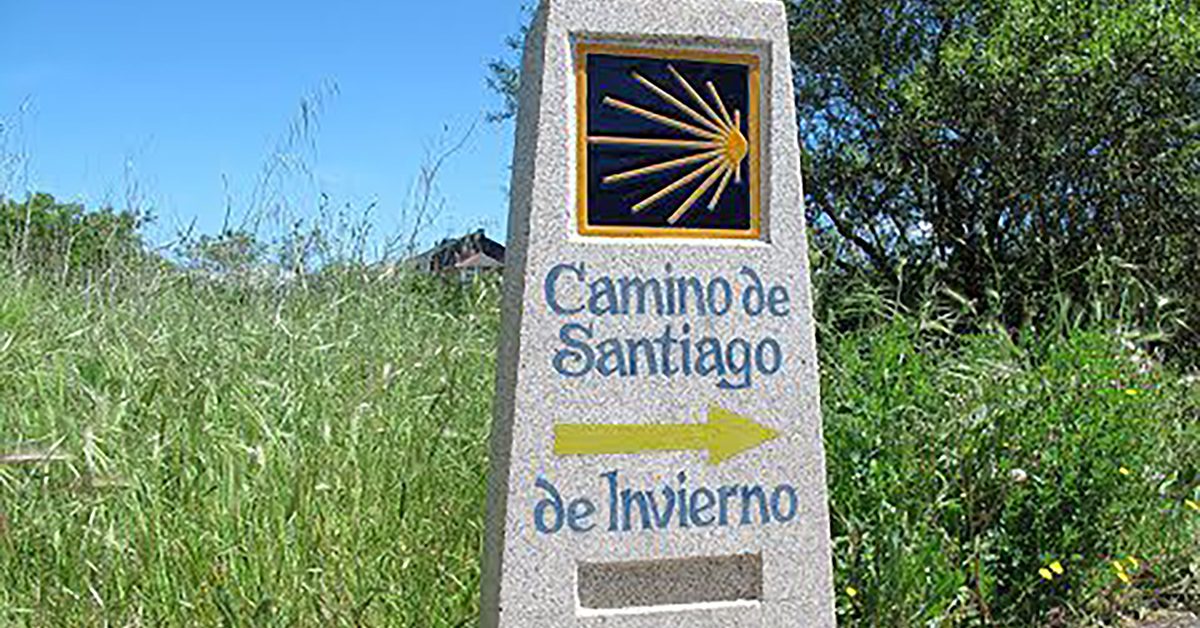

If you are walking the Francés, most people branch off at Ponferrada to start the Invierno, but for me that would mean missing some of my favourite stages. After leaving Ponferrada, the Francés takes you through the vineyards of the Bierzo and into Villafranca del Bierzo, which is a real gem of the Camino. Then comes the climb to O Cebreiro, a place full of Camino lore. Taking the Dragonte route (which I highly recommend) gives you one of the most breathtaking and rewarding walks of the whole journey. From O Cebreiro you descend into Triacastela and then on to the magnificent monastery at Samos.
So instead of leaving the Francés at Ponferrada, I wondered if it might be possible to join the Invierno after Samos. That way I could enjoy some of my favourite days on the Francés while finishing my Camino on the quieter last stages of the Invierno.
Last year I set out to find a path from Samos to connect with the Invierno, which I could see runs about 35 km south of the main route. I ended up with a 35 km route from start to finish, and it was beautiful. I did not see a single soul all day, never mind another pilgrim. Definitely worth checking out if you want something different. I put together a full guide here: Samos to Monforte de Lemos.
Hope this helps with your Camino planning. It is definitely worth trying a few of these alternative paths. They take you onto quieter trails, sometimes with a few extra challenges, and even if they add a couple of extra kilometres, they are well worth it.
Buen Camino. 💛
10 Unforgettable Albergues I Loved on the Camino Francés


I’ve only just started reading, so it’s a bit early to say : “This route I believe is called the Variante del paseo fluvial del río Arga” [Trinidad de Arre to Pamplona] The river is called the Ultzama at Trinidad de Arre, but it joins the Arga after a fairly short distance, so the name is probably correct, but I thought it worth mentioning that you walk along the Ultzama for a while.
I’ve finished reading the whole piece. It’s really great. I got lost on the Dragonte in 2022. I didn’t have GPS (still don’t). It’s not well signposted,¿ is it? I have walked almost all of your variantes. You’ve missed one – to the monastery of Carracedo from Camponaraya.
A couple of things: 5. Montejurra Vilatuerta (twice) should be Villatuerta. 10. River walk into Villalcázar. After Frómista, you don’t see the Canal de Castilla again. Your co-ordinates are wrong -it’s a point in the middle of nowhere. The canal does not go to Población de Campos. The river Ucieza does go from Población to a spot near Villalcázar de Sirga.. You call the path a towpath (along a canal) then a path along a riverbank. 16. Samos “follow the signposted path to the right” – it’s to the left.
Well Done!
Thank you so much, Bert. I’ll make all those updates. I should have remembered from my Spanish classes that l and ll are completely different sounds. 💛
Fabulous article! Thank you.
Hi Gerard,
Thank you for your website with alternative, quieter route suggestions.
I’m reading the below but can’t find Lanquin, neither Google maps nor my browser can identify it. Can you give me a postcode, please:
‘Here are a couple of examples. Just after Estella, there’s a forest path that leads into the village of Lanquín. I stayed at the albergue there this May, which is the busiest time of year, and there were only three of us staying. I didn’t pass a single pilgrim on the way in.’
Thanks,
Fiona
Hi Fiona,
Also just checked the web page and saw I had spelt the name of the village wrong there, thanks for pointing it out. The village is Luquin. Just after the wine fountain at Irache, keep walking up a gentle incline for about 1 km until you reach a wooden signpost. Left takes you to Luquin, right goes to Villamayor de Monjardín. Both are lovely routes.
The walk to Luquin is mostly through a peaceful forest, while the Monjardín path climbs a hill with fantastic views over the valley. The two routes meet again about 12 km before Los Arcos.
Luquin is a very quiet village with just one albergue. There’s a good map on the Gronze site here: https://www.gronze.com/etapa/estella-lizarra/arcos
I’m putting together a full guide to all the variants at the moment, so I should have that ready soon. Hope this helps with your planning
Buen Camino!
I’m reading your guide from May at the moment and plan to do this Camino in April into May in full, really struggled to find content as good as this really appreciate it!! Another Irish man!😀
our welcome. It’s an amazing experience. Buen Camino.